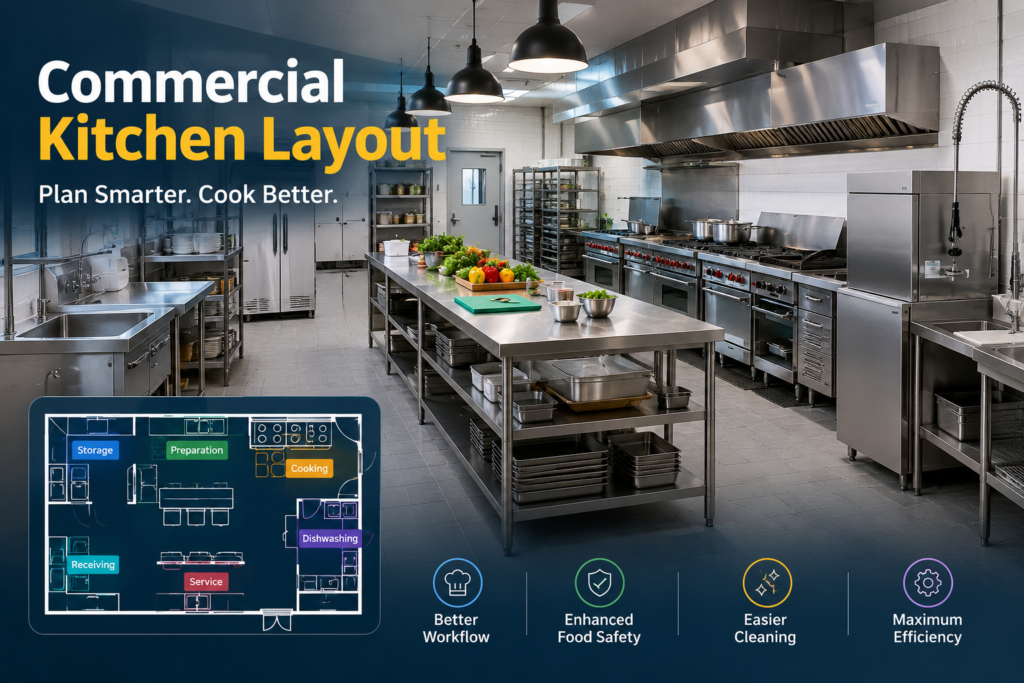
Commercial Kitchen Layout: Complete Design Guide
Discover the best commercial blender for restaurants, cafés, smoothie shops, and bars. Learn about key features, motor power, capacity, durability, and maintenance before choosing the right blender for your business.
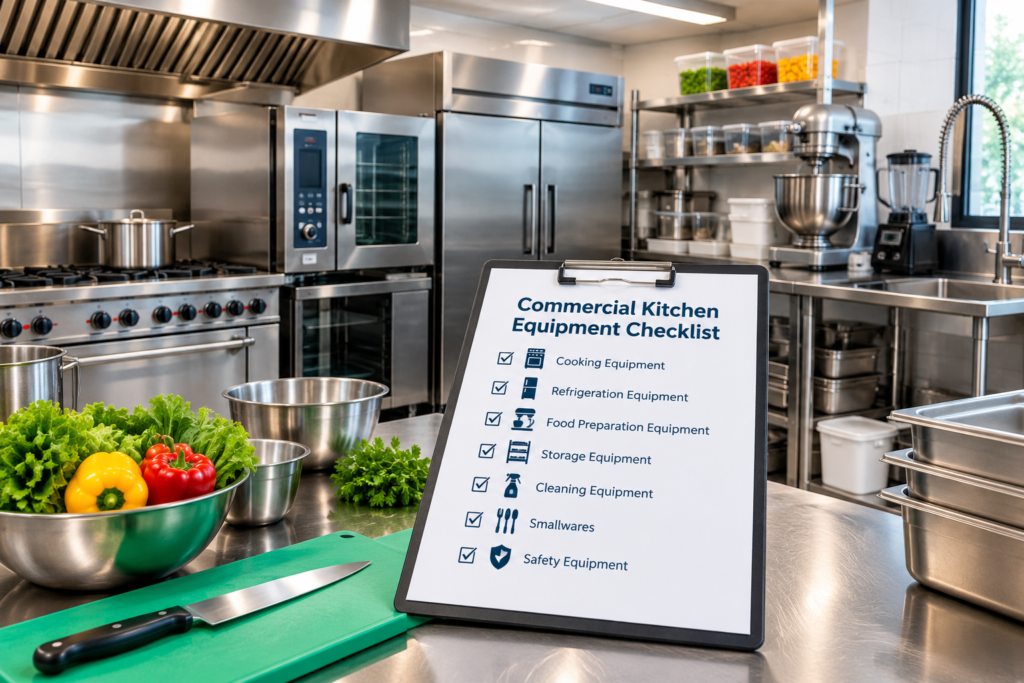
Commercial Kitchen Equipment Checklist: Essential Items for Restaurants
Discover the best commercial blender for restaurants, cafés, smoothie shops, and bars. Learn about key features, motor power, capacity, durability, and maintenance before choosing the right blender for your business.
How to Choose Commercial Kitchen Equipment: Complete Guide
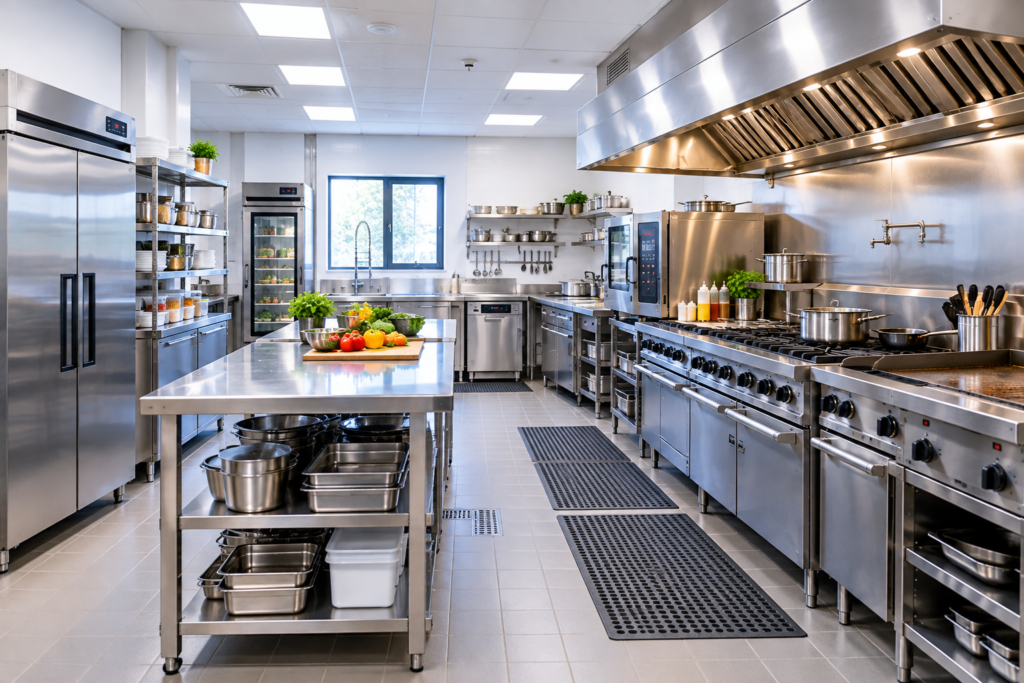
Learn how to choose commercial kitchen equipment based on your menu, kitchen space, capacity, energy efficiency, durability, safety, maintenance needs, and budget. This guide covers the key factors to consider before investing in restaurant equipment.
Restaurant Equipment Buying Guide: What to Buy and How to Choose
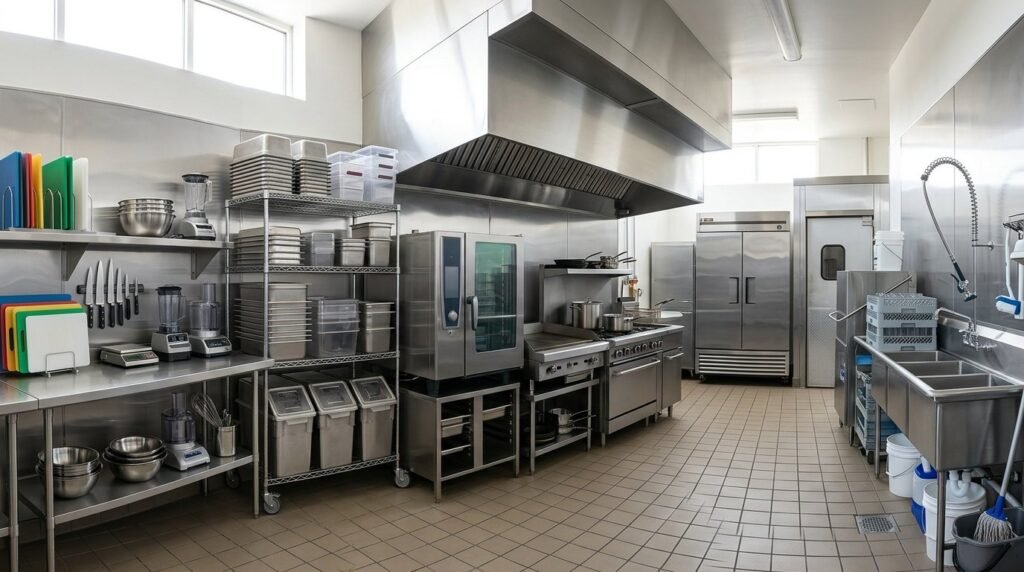
.Restaurant Equipment Buying Guide helps you choose the right commercial kitchen equipment based on your menu, kitchen space, workload, budget, safety, and long-term maintenance needs.
Kitchen Equipment: Essential Tools for Every Kitchen
Discover the essential kitchen equipment for efficient cooking and food preparation. Learn about different types of equipment, key features, buying tips, and maintenance practices for home and commercial kitchens.
Commercial Kitchen Design: The Complete Guide to Planning an Efficient Kitchen
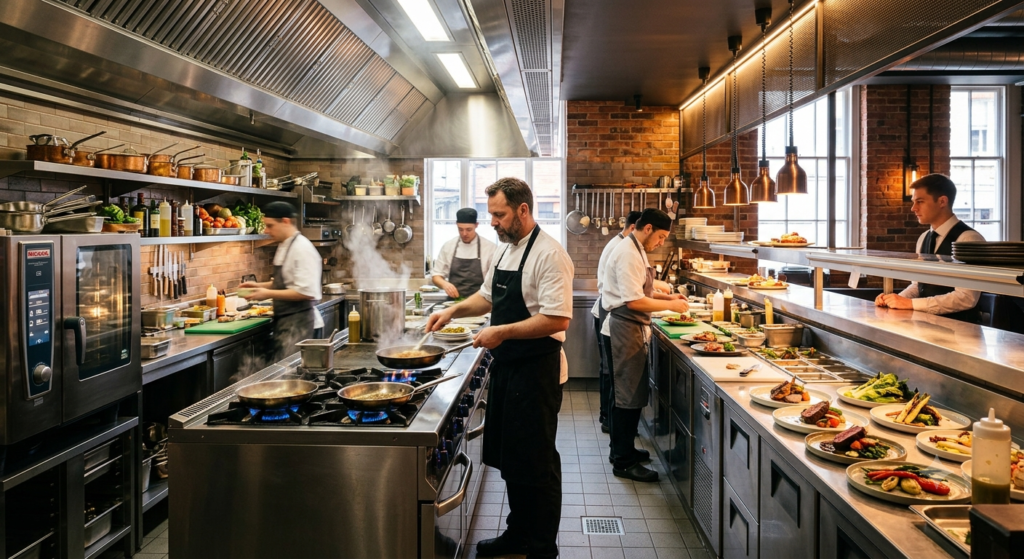
Designing a professional kitchen is one of the most important steps when opening or renovating a restaurant, café, bakery, hotel, or catering business. A well-planned commercial kitchen design improves workflow, enhances food safety, reduces operating costs, and helps staff work more efficiently. This guide explains the essential elements of planning a functional commercial kitchen, from choosing the right layout to selecting equipment and meeting safety standards. Why Is Commercial Kitchen Design Important? A smart commercial kitchen design does more than make a kitchen look organized. It creates a workspace where employees can prepare food safely and efficiently. Benefits include: Faster food preparation Improved staff productivity Better food safety compliance Reduced cross-contamination Easier equipment maintenance Lower operating costs Better customer satisfaction Planning your kitchen correctly from the beginning can prevent expensive changes later. Key Elements of a Commercial Kitchen Every successful kitchen includes several essential components. Food Preparation Area Dedicated prep stations allow staff to work efficiently while minimizing cross-contamination. Cooking Area This section typically contains: Commercial ranges Ovens Griddles Fryers Char broilers Arrange equipment according to your menu and cooking process. Washing Station Include separate sinks for: Hand washing Food preparation Dishwashing Proper sink placement improves hygiene and workflow. Storage Area Storage should include: Dry storage Refrigeration Freezers Shelving for utensils and ingredients Easy access reduces unnecessary movement. Popular Commercial Kitchen Layouts Choosing the right commercial kitchen design starts with selecting a layout that matches your business. Assembly Line Layout Ideal for: Fast-food restaurants Pizza shops Sandwich stores Employees perform tasks in sequence for maximum speed. Island Layout Cooking equipment is placed in the center, allowing staff to move freely around it. Best for: Large restaurants Hotels High-volume kitchens Zone Layout The kitchen is divided into specialized workstations. Examples include: Prep zone Cooking zone Baking zone Cleaning zone Storage zone This layout improves organization. Galley Layout A narrow design with workstations on both sides. Suitable for: Small restaurants Cafés Food trucks How to Plan Your Kitchen Workflow An efficient commercial kitchen design focuses on smooth movement between work areas. The workflow should generally follow this order: Receiving Storage Preparation Cooking Serving Cleaning Reducing unnecessary movement saves time and increases productivity. Choosing the Right Equipment Selecting quality equipment is essential. Consider: Available kitchen space Menu requirements Energy efficiency Durability Ease of cleaning Maintenance costs Buy equipment that matches your expected production volume. Safety and Health Requirements A professional kitchen should meet local food safety regulations. Important considerations include: Proper ventilation Fire suppression systems Non-slip flooring Adequate lighting Handwashing stations Temperature-controlled storage Following health codes protects both employees and customers. Common Design Mistakes Avoid these common problems when planning your commercial kitchen design. Poor Workflow Long walking distances reduce efficiency. Insufficient Storage Lack of storage creates clutter and slows operations. Overcrowded Equipment Too many appliances make movement difficult. Poor Ventilation Heat and smoke reduce comfort and may violate safety regulations. Ignoring Future Growth Leave room for additional equipment if your business expands. Tips for Maximizing Efficiency To improve performance: Use energy-efficient appliances. Keep frequently used equipment nearby. Label storage shelves clearly. Install adequate lighting. Maintain wide walkways. Schedule regular equipment maintenance. Small improvements can significantly increase daily productivity. Sustainability Considerations Modern kitchens increasingly focus on sustainability. Consider: Energy Star-rated equipment LED lighting Water-saving faucets Recycling stations Waste reduction programs These upgrades reduce operating costs over time. Frequently Asked Questions What is the best layout for a commercial kitchen? The best layout depends on your menu, available space, and production volume. Zone and assembly line layouts are among the most popular choices. How much space does a commercial kitchen need? Requirements vary depending on the business. The kitchen should provide enough room for equipment, staff movement, storage, and food preparation. Why is workflow important? Efficient workflow minimizes unnecessary movement, speeds up food preparation, and reduces labor costs. What equipment is essential? Most commercial kitchens require cooking equipment, refrigeration, preparation tables, sinks, shelving, ventilation systems, and cleaning stations. Conclusion A successful commercial kitchen design balances efficiency, safety, workflow, and functionality. By selecting the right layout, investing in quality equipment, and following food safety best practices, you can create a kitchen that supports consistent food quality and long-term business success. Careful planning today can save money, improve productivity, and make daily operations smoother for years to come.
Where to Sell Used Restaurant Equipment
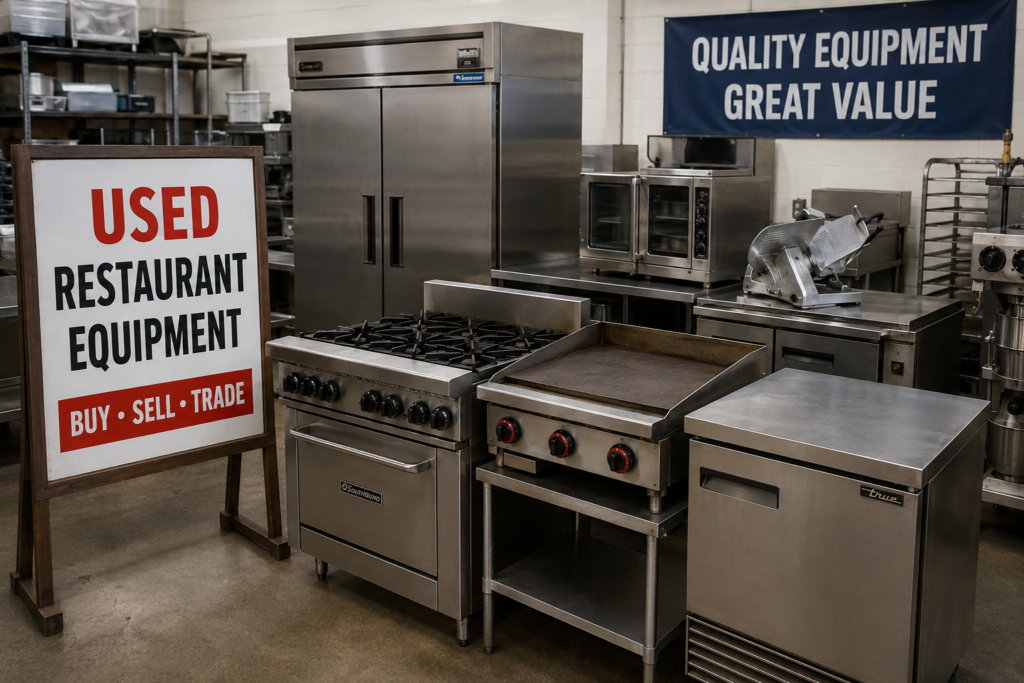
Where to Sell Used Restaurant Equipment: 10 Best Places to Get the Best Value Whether you’re closing a restaurant, upgrading your kitchen, or replacing outdated appliances, knowing where to sell used restaurant equipment can help you recover a significant portion of your investment. Commercial kitchen equipment often retains good resale value when it’s clean, functional, and well-maintained. This guide explains the best places to sell your equipment, how to prepare it for buyers, and practical tips to maximize your selling price. Why Sell Used Restaurant Equipment? Restaurant equipment is built for durability, making it attractive to new restaurants, food trucks, cafés, catering companies, and startup kitchens. Selling instead of storing or disposing of equipment offers several benefits: Recover part of your original investment Free up valuable storage space Reduce waste through equipment reuse Help other businesses save money Support sustainable business practices Best Places to Sell Used Restaurant Equipment 1. Online Marketplaces Online marketplaces are among the easiest options for selling commercial kitchen equipment. Popular platforms include: Facebook Marketplace Craigslist eBay Offer Up These platforms allow you to reach local buyers while avoiding expensive shipping for large equipment. 2. Restaurant Equipment Dealers Many commercial kitchen equipment dealers purchase used equipment directly. Dealers usually: Inspect the equipment Offer immediate payment Handle transportation Resell after refurbishment Although dealer offers may be slightly lower than private sales, the process is much faster. 3. Restaurant Auctions Auctions work well when selling multiple items or liquidating an entire kitchen. Benefits include: Competitive bidding Fast liquidation Professional handling Access to business buyers Auctions are especially useful for restaurants that are permanently closing. 4. Restaurant Liquidation Companies Liquidation companies specialize in buying complete restaurant inventories. They often purchase: Ovens Fryers Refrigerators Freezers Prep tables Stainless steel work tables Dishwashers This option saves considerable time if you need to empty your kitchen quickly. 5. Local Restaurant Owners Many independent restaurant owners prefer purchasing quality used equipment at affordable prices. Networking through local restaurant associations or business groups can help you find serious buyers. 6. Foodservice Equipment Brokers Equipment brokers connect sellers with interested buyers. Advantages include: Wider buyer network Professional negotiations Better pricing opportunities Less work for the seller Some brokers charge a commission after the sale. 7. Restaurant Supply Stores Certain restaurant supply stores accept used equipment through trade-in or consignment programs. Ask local suppliers whether they purchase or display used equipment for resale. 8. Specialty Commercial Kitchen Equipment Websites Several websites focus exclusively on buying and selling restaurant equipment. These niche marketplaces attract buyers actively searching for commercial kitchen products, increasing your chances of making a successful sale. 9. Local Business Classifieds Regional classified websites often generate interest from nearby businesses looking for affordable kitchen equipment. Selling locally also reduces transportation costs. 10. Direct Sales to New Restaurants New restaurant owners frequently look for quality used equipment to reduce startup costs. You can connect through: Local business groups Chamber of Commerce Restaurant associations Hospitality networking events How to Prepare Equipment Before Selling Proper preparation increases buyer confidence. Before listing your equipment: Clean every surface thoroughly. Test all functions. Repair minor issues if economical. Collect manuals and maintenance records. Take high-quality photos. Record model and serial numbers. Measure dimensions accurately. Well-presented equipment typically sells faster. How to Price Used Restaurant Equipment Pricing depends on several factors. Consider: Brand reputation Equipment age Overall condition Maintenance history Current market demand Original purchase price Research similar listings before setting your asking price. Tips for Selling Faster If you’re wondering where to sell used restaurant equipment successfully, presentation matters just as much as choosing the right marketplace. Follow these tips: Write detailed descriptions. Include multiple photos. Be honest about condition. Respond quickly to inquiries. Offer pickup options. Bundle related equipment. Be open to reasonable negotiation. Common Mistakes to Avoid Avoid these common errors: Using poor-quality photos Overpricing equipment Hiding defects Forgetting measurements Ignoring buyer questions Failing to clean equipment Small improvements can make a noticeable difference in selling speed. Frequently Asked Questions Is used restaurant equipment worth selling? Yes. Many commercial kitchen appliances retain strong resale value, especially trusted brands in good working condition. Should I sell locally or online? Local sales reduce shipping costs, while online marketplaces provide access to a much larger audience. How do I increase resale value? Clean the equipment, perform basic maintenance, include documentation, and use clear, high-resolution photos. Can restaurants sell equipment in bulk? Yes. Auctions, liquidation companies, and equipment dealers often purchase complete restaurant kitchens. Final Thoughts Knowing where to sell used restaurant equipment helps restaurant owners recover costs while giving quality equipment a second life. Whether you choose online marketplaces, equipment dealers, auctions, or direct local sales, preparing your equipment properly and pricing it fairly will improve your chances of a successful sale. By selecting the right selling method and presenting your equipment professionally, you can turn unused commercial kitchen assets into valuable cash.
Commercial Kitchen Equipment: Complete Buying Guide for Restaurants in 2026
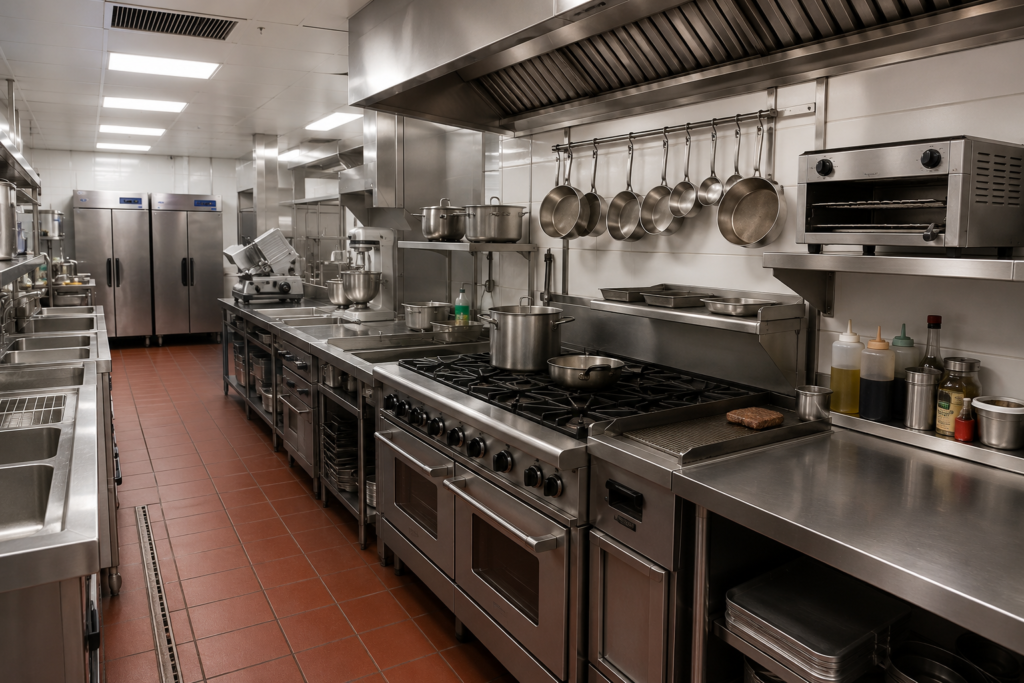
Starting a restaurant, café, bakery, or catering business requires more than just a great menu. The success of your food business largely depends on having the right commercial kitchen equipment. Choosing the right equipment improves productivity, food quality, safety, and operational efficiency. This commercial kitchen equipment complete buying guide will help you understand the essential equipment categories, factors to consider before purchasing, and expert tips to make smart buying decisions. What Is Commercial Kitchen Equipment? Commercial kitchen equipment refers to heavy-duty appliances and tools specifically designed for restaurants, hotels, cafés, bakeries, hospitals, and other foodservice businesses. Unlike residential appliances, commercial equipment is built to handle high-volume cooking and continuous operation. The right equipment setup allows kitchen staff to prepare food faster, maintain hygiene standards, and serve customers efficiently. Why Choosing the Right Commercial Kitchen Equipment Matters Investing in quality equipment offers several benefits: Faster food preparation Improved kitchen efficiency Better food quality and consistency Lower maintenance costs Enhanced food safety and hygiene Increased productivity and profitability Long-term cost savings Poor equipment choices can lead to frequent breakdowns, higher energy bills, and operational delays. Essential Types of Commercial Kitchen Equipment 1. Cooking Equipment Cooking equipment forms the backbone of every commercial kitchen. Examples include: Commercial ranges Gas stoves Ovens Grills Fryers Steamers Induction cooktops Restaurants should choose cooking equipment based on their menu requirements and expected customer volume. 2. Refrigeration Equipment Proper refrigeration is essential for food safety and ingredient preservation. Common refrigeration equipment includes: Reach-in refrigerators Walk-in coolers Freezers Undercounter refrigerators Display refrigerators Energy-efficient refrigeration systems can significantly reduce operating costs. 3. Food Preparation Equipment Food preparation equipment helps improve efficiency and consistency. Popular options include: Commercial mixers Food processors Vegetable cutters Meat slicers Blenders Dough sheeters Choppers These appliances save time and reduce manual labor. 4. Ware washing Equipment Maintaining cleanliness is crucial in any foodservice operation. Essential cleaning equipment includes: Commercial dishwashers Three-compartment sinks Handwashing stations Glass washers Sanitizing systems A proper cleaning setup ensures compliance with food safety regulations. 5. Storage Equipment Storage equipment keeps ingredients and supplies organized. Examples include: Stainless steel shelves Storage racks Ingredient bins Cabinets Utility carts Worktables Proper storage improves workflow and kitchen efficiency. 6. Ventilation Systems Commercial kitchens generate large amounts of heat, smoke, and grease. Ventilation equipment includes: Exhaust hoods Ventilation fans Grease filters Makeup air systems Good ventilation improves air quality and creates a safer working environment. Factors to Consider Before Buying Commercial Kitchen Equipment Kitchen Size and Layout Always measure your kitchen space before purchasing equipment. Proper planning ensures smooth workflow and prevents overcrowding. Menu Requirements Your menu determines the type of equipment you need. A bakery requires different equipment than a fast-food restaurant or café. Durability and Build Quality Choose stainless steel equipment designed for heavy-duty commercial use. Durable equipment lasts longer and requires less maintenance. Energy Efficiency Energy-efficient appliances reduce electricity and utility expenses over time. Ease of Cleaning Equipment with smooth surfaces and removable parts is easier to clean and maintain. Budget Consider both initial purchase costs and long-term operating expenses. The cheapest option is not always the most cost-effective. Warranty and After-Sales Support Reliable manufacturers offer warranties and technical support that can minimize downtime and repair expenses. How to Choose the Best Commercial Kitchen Equipment Buy According to Business Volume Small cafés and large restaurants have different equipment needs. Avoid purchasing oversized equipment that exceeds your production requirements. Prioritize Quality Over Price Premium equipment usually delivers better performance, durability, and energy savings. Choose Trusted Brands Established manufacturers often provide better warranties, spare parts availability, and customer support. Think About Future Growth Select equipment that can accommodate business expansion and increasing customer demand. Compare Multiple Suppliers Request quotations from different suppliers and compare features, pricing, and support services. Common Mistakes to Avoid Many restaurant owners make costly equipment purchasing mistakes. Avoid these common errors: Buying equipment without planning the kitchen layout Choosing equipment based only on price Ignoring energy efficiency Purchasing oversized equipment Overlooking warranty coverage Failing to consider maintenance requirements Avoiding these mistakes can save thousands of dollars in unnecessary expenses. Commercial Kitchen Equipment Checklist Before opening your restaurant, make sure you have: ✅ Cooking equipment✅ Refrigeration systems✅ Food preparation equipment✅ Cleaning and sanitation equipment✅ Storage systems✅ Ventilation equipment✅ Safety equipment✅ Smallware and utensils Final Thoughts Investing in the right commercial kitchen equipment is one of the most important decisions for any restaurant or foodservice business. High-quality equipment improves productivity, food consistency, safety, and profitability. By carefully evaluating your menu, kitchen space, budget, and future business goals, you can build an efficient kitchen that supports long-term success. This commercial kitchen equipment complete buying guide can serve as your roadmap for making informed purchasing decisions and creating a productive commercial kitchen that grows with your business.
