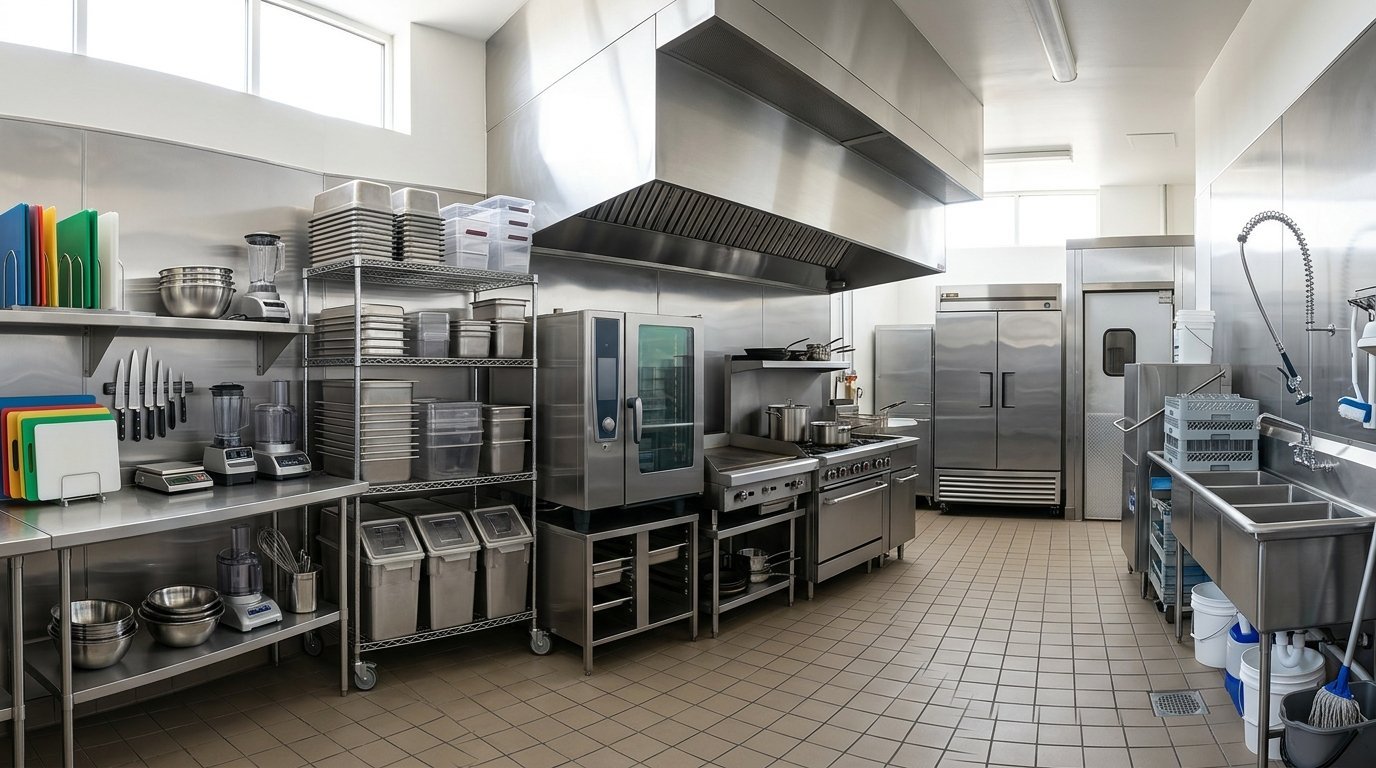
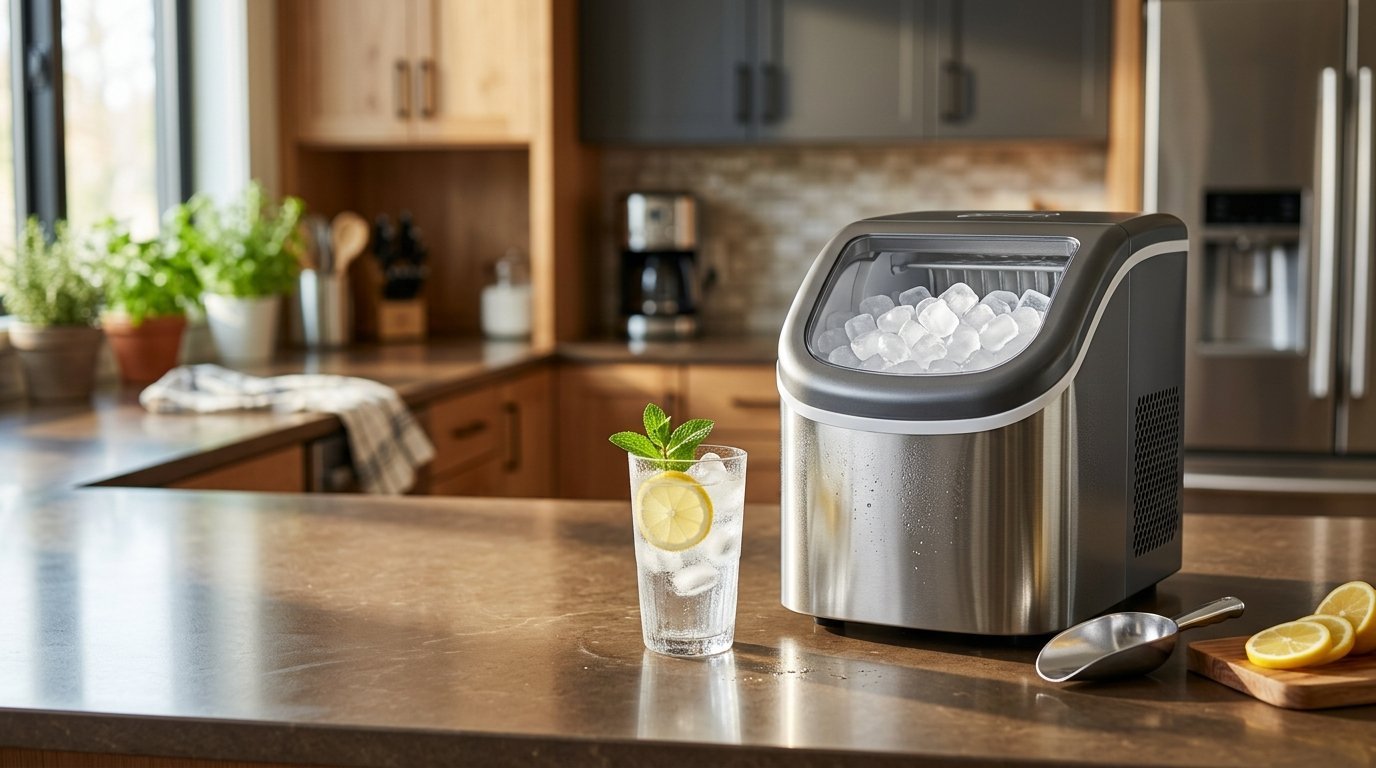
A Restaurant Equipment Buying Guide can help restaurant owners choose the right equipment without overspending or filling the kitchen with unnecessary appliances. The right choices depend on your menu, kitchen size, food volume, available utilities, budget, and daily workflow. From cooking equipment to refrigeration and food preparation tools, every purchase should support safe and efficient kitchen operations.
Before buying anything, make a list of your actual kitchen needs. Consider what foods you prepare, how many customers you serve, how much storage you need, and which equipment will be used most often.
Why a Restaurant Equipment Buying Guide Matters
Restaurant equipment is a major investment, especially when setting up a new commercial kitchen. Choosing equipment only because it looks powerful or has a low purchase price can create problems later.
A practical buying approach helps you compare capacity, durability, energy use, cleaning requirements, safety features, and maintenance needs. It can also help prevent equipment from being too large or too small for your operation.
A well-planned kitchen should allow staff to move between preparation, cooking, serving, cleaning, and storage areas efficiently.
Assess Your Restaurant’s Needs First
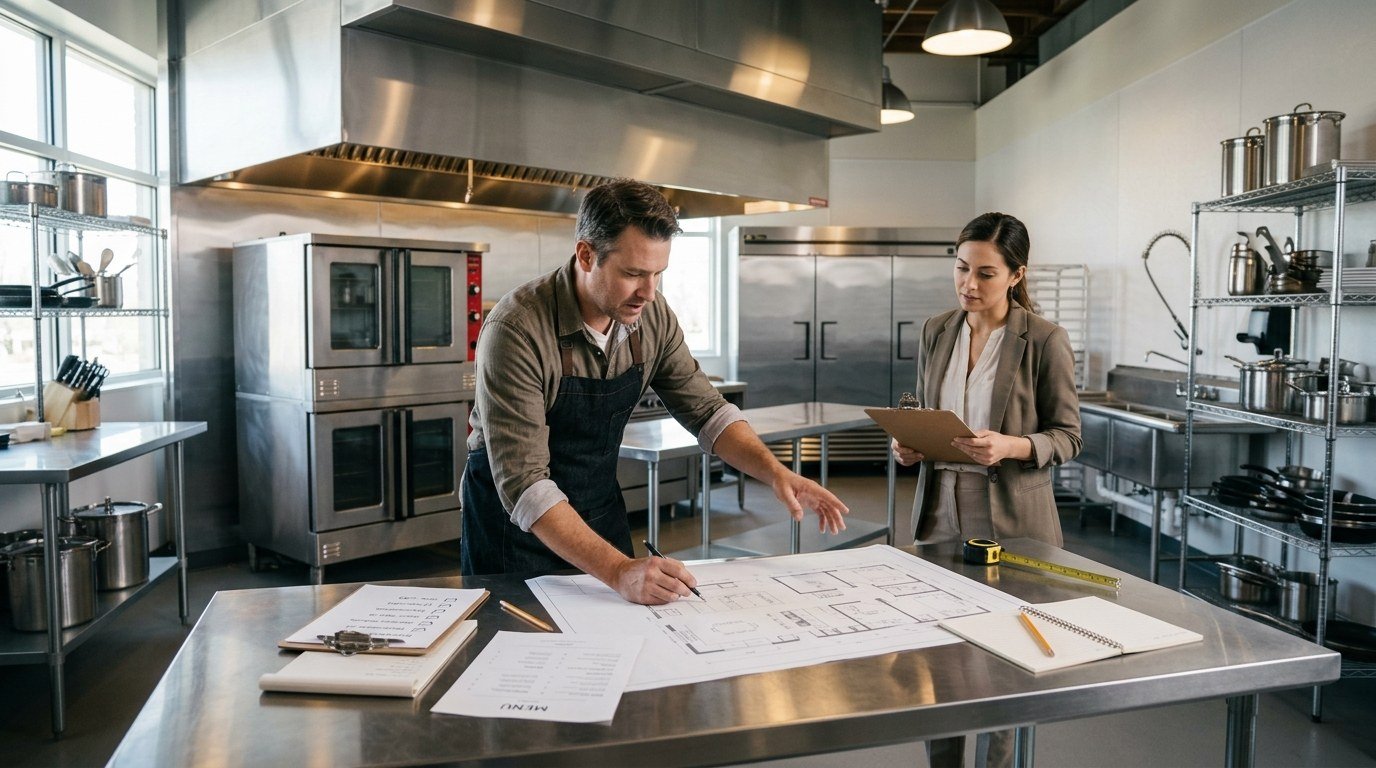
The first step in any restaurant equipment buying guide is understanding your operation.
Consider Your Menu
Your menu should influence most equipment decisions. A bakery, pizza restaurant, café, and full-service restaurant will not need the same kitchen setup.
For example, a restaurant that prepares large quantities of fried food may need a commercial fryer, while a bakery may prioritize mixers, ovens, proofing equipment, and refrigeration.
Write down the main cooking and preparation methods used in your menu. This makes it easier to identify essential equipment.
Estimate Food Volume
Think about how many meals or orders your kitchen handles during busy periods. Equipment capacity should match your expected workload.
A small machine may become a bottleneck during peak hours, while oversized equipment can consume unnecessary space and energy.
Measure Available Space
Measure the kitchen before purchasing large equipment. Check the width, depth, height, doorways, ventilation areas, and available connections.
Leave enough space around equipment for staff movement, cleaning, servicing, and safe operation.
Essential Restaurant Equipment Categories
Restaurant equipment can be divided into several main categories. Organizing purchases this way makes the selection process easier.
Cooking Equipment
Cooking equipment may include commercial ranges, ovens, griddles, fryers, broilers, and induction units.
Choose equipment according to your menu and expected cooking volume. Look at temperature control, cooking capacity, construction quality, ease of cleaning, and available safety features.
Avoid purchasing multiple appliances that perform the same function unless your kitchen volume requires them.
Refrigeration Equipment
Refrigeration is essential for storing ingredients safely and maintaining food quality.
Common options include reach-in refrigerators, undercounter refrigerators, prep refrigerators, freezers, and refrigerated storage units.
When comparing refrigeration equipment, consider internal capacity, temperature controls, door configuration, cleaning access, and energy efficiency.
For information about commercial foodservice equipment efficiency, you can also check the ENERGY STAR commercial food service equipment resources when comparing energy-related specifications.
Food Preparation Equipment
Food preparation equipment can reduce manual work and improve consistency.
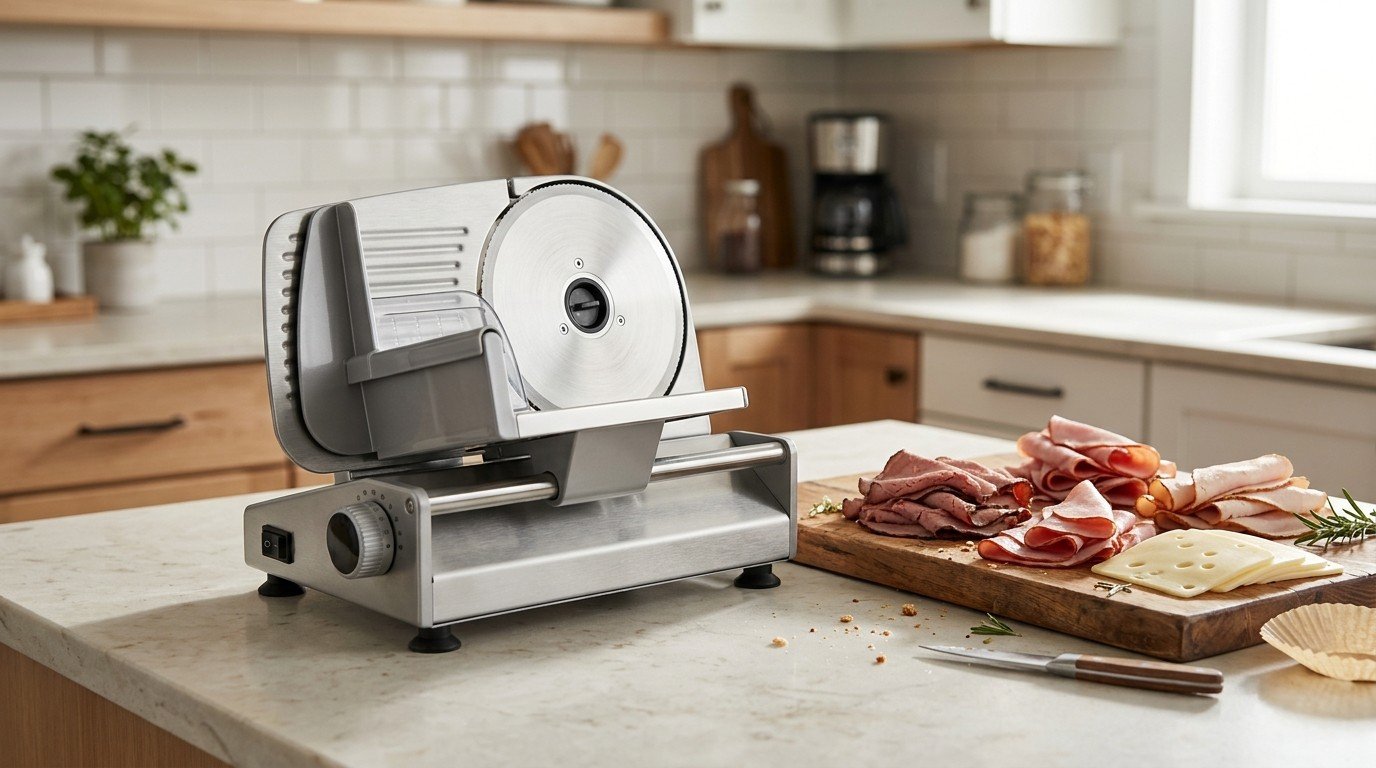
Common examples include food processors, commercial mixers, slicers, vegetable preparation machines, cutting equipment, and work tables.
Choose machines based on the ingredients you process and the volume of food prepared each day.
Dishwashing and Cleaning Equipment
A commercial kitchen needs an effective cleaning system. Depending on the operation, this may include commercial dishwashers, sinks, pre-rinse equipment, shelving, waste containers, and cleaning tools.
Dishwashing capacity should be sufficient for busy periods. Also consider water use, cycle time, installation requirements, and cleaning procedures.
For food safety requirements, restaurant owners should review the FDA Food Code and applicable local regulations before finalizing their kitchen setup.
Storage Equipment
Storage equipment includes shelving, ingredient bins, cabinets, racks, and dry-storage systems.
Good storage keeps ingredients organized and can make food preparation faster. Shelving should be durable, easy to clean, and suitable for the environment where it will be installed.
How to Choose Commercial Kitchen Equipment
Choosing commercial kitchen equipment involves more than comparing prices.
Match Capacity to Demand
Capacity should reflect your expected food volume. Look at cooking surface size, refrigerator storage, bowl capacity, production rate, or other specifications relevant to the equipment.
Buying the smallest option may save money initially but could limit production. Buying a much larger model may waste space and resources.
Check Construction and Durability
Commercial equipment often receives much heavier use than household appliances. Look for durable construction and components designed for frequent operation.
Stainless steel is commonly used in commercial kitchens because it is durable and relatively easy to clean. However, the material alone should not determine your purchase.
Also check the quality of hinges, handles, controls, seals, shelves, and removable components.
Compare Energy Efficiency
Energy consumption can affect operating costs over the life of equipment.
When comparing similar models, review available energy information and manufacturer specifications. ENERGY STAR-certified commercial foodservice products can be one source for identifying equipment designed to meet energy-efficiency criteria.
Consider Cleaning and Maintenance
Equipment that is difficult to clean can increase daily workload.
Look for removable parts, accessible surfaces, smooth construction, and designs that reduce areas where food debris can accumulate.
Also check whether replacement parts and professional service are available in your area.
Restaurant Equipment Buying Guide: New vs. Used Equipment
Used restaurant equipment can reduce the initial purchase cost, but it requires careful inspection.
Advantages of New Equipment
New equipment generally comes with current specifications, manufacturer support, and warranty coverage. It may also offer newer energy-efficiency and control features.
The main disadvantage is the higher upfront price.
Advantages of Used Equipment
Used equipment can be useful when a restaurant has a limited startup budget. Some commercial machines can remain useful for many years when properly maintained.
Before buying used equipment, inspect its condition and ask about its maintenance history.
What to Check Before Buying Used Equipment
Check the following:
Overall physical condition
Age of the equipment
Model and serial number
Electrical or gas requirements
Signs of corrosion or damage
Moving parts and controls
Refrigeration temperature performance
Availability of replacement parts
Previous maintenance history
Warranty or service options
Do not purchase used equipment solely because the price is low. Repair and installation costs can change the total value of the purchase.
Restaurant Equipment Cost and Budget Planning
A realistic equipment budget should include more than the purchase price.
Consider:
Equipment cost
Delivery charges
Installation
Electrical or gas work
Plumbing
Ventilation
Accessories
Maintenance
Replacement parts
Energy and water consumption
Prioritize equipment that directly affects food production and daily workflow.
For example, essential cooking, refrigeration, preparation, and sanitation equipment should generally be planned before optional appliances or specialized machines.
Check Installation Requirements
Before ordering equipment, confirm its installation requirements.
Some equipment may require dedicated electrical circuits, gas connections, water supply, drainage, ventilation, or specific clearance.
Check the manufacturer’s installation instructions before purchasing. Confirm that your kitchen can support the equipment without expensive modifications.
This step can prevent unexpected installation costs and delays.
Safety Considerations When Buying Restaurant Equipment
Safety should be part of every equipment purchasing decision.
Look for appropriate safety features, stable construction, accessible controls, and designs that reduce unnecessary hazards.
Gas-powered equipment may require professional installation and appropriate ventilation. Electrical equipment should match the available electrical supply.
Employees should also receive proper training before operating commercial equipment.
Follow manufacturer instructions and applicable food safety and workplace requirements.
Common Mistakes When Buying Restaurant Equipment
Buying More Than You Need
A large restaurant equipment package may look impressive, but unused machines take up valuable space and money.
Choose equipment based on actual production requirements.
Choosing Only by Price
The cheapest equipment is not always the lowest-cost option over its lifetime.
Consider durability, maintenance, energy use, warranty coverage, and expected service life.
Ignoring Kitchen Workflow
Equipment placement can affect preparation time and employee movement.
Plan where ingredients arrive, where they are stored, where preparation occurs, and how food moves toward cooking and service.
Forgetting Future Maintenance
Before buying, check whether service technicians and replacement parts are available locally.
A machine that cannot be repaired quickly may cause significant operational disruption.
A Simple Restaurant Equipment Buying Checklist
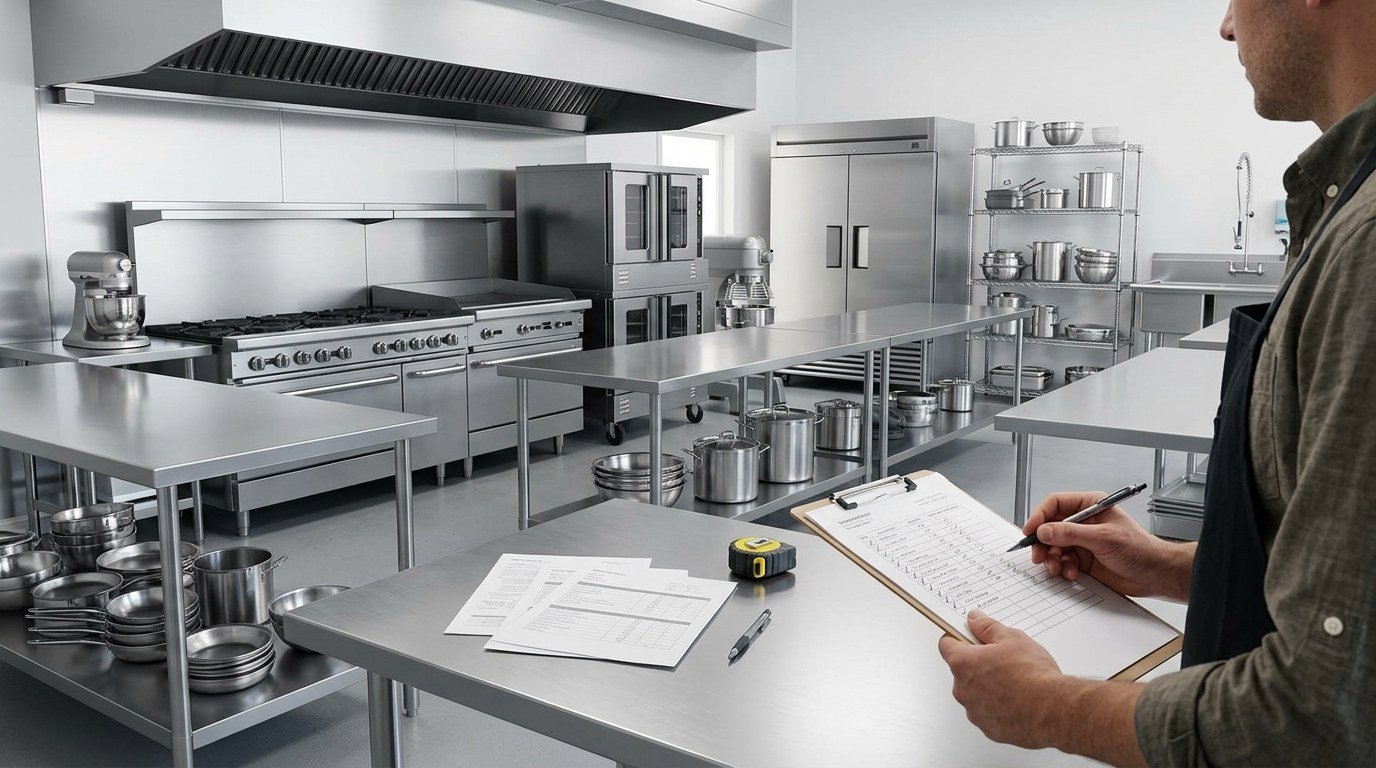
Use this checklist before placing an order:
Define your menu requirements
Estimate daily and peak food volume
Measure available kitchen space
Create an equipment budget
Compare capacity and specifications
Check energy requirements
Confirm electrical, gas, plumbing, and ventilation needs
Compare new and used options
Review warranty information
Check maintenance and service availability
Confirm delivery and installation requirements
Review applicable safety and food regulations
Final Thoughts
A Restaurant Equipment Buying Guide is useful for planning purchases around real kitchen requirements rather than buying equipment based only on price or appearance.
Start with your menu, production volume, kitchen space, budget, and workflow. Then compare equipment based on capacity, durability, energy use, cleaning, maintenance, installation, and safety.
Careful planning can help create a kitchen that supports efficient daily operations while avoiding unnecessary equipment costs.
- All Posts
- Buying Guides
- Commercial Kitchen
- Kitchen Equipment
- Product Reviews
- Tips & Maintenance