Kitchen equipment plays an important role in making food preparation, cooking, cleaning, and storage easier and more efficient. From basic knives and cutting boards to refrigerators, ovens, and food processors, the right tools can improve workflow in both home and professional kitchens.
Whether you are setting up a new kitchen or replacing older appliances, understanding the different types of equipment can help you make practical purchasing decisions. This guide explains essential kitchen tools, major appliances, important features, and maintenance tips to consider.
“You can also read our guide on commercial kitchen equipment…”
What Is Kitchen Equipment?
Kitchen equipment includes the tools, appliances, machines, and accessories used for preparing, cooking, storing, and serving food. Some items are simple hand tools, while others are powered appliances designed for specific tasks.
The equipment needed depends on the kitchen’s size, cooking style, menu, available space, and frequency of use. A home kitchen may need only basic appliances, while a restaurant requires durable equipment designed for heavier workloads.
Types of Kitchen Equipment
Different tasks require different types of equipment. Understanding these categories makes it easier to identify what your kitchen actually needs.
Food Preparation Equipment
Food preparation tools are used before cooking begins. Common examples include:
Cutting boards
Chef’s knives
Vegetable peelers
Mixing bowls
Measuring cups and spoons
Food processors
Blenders
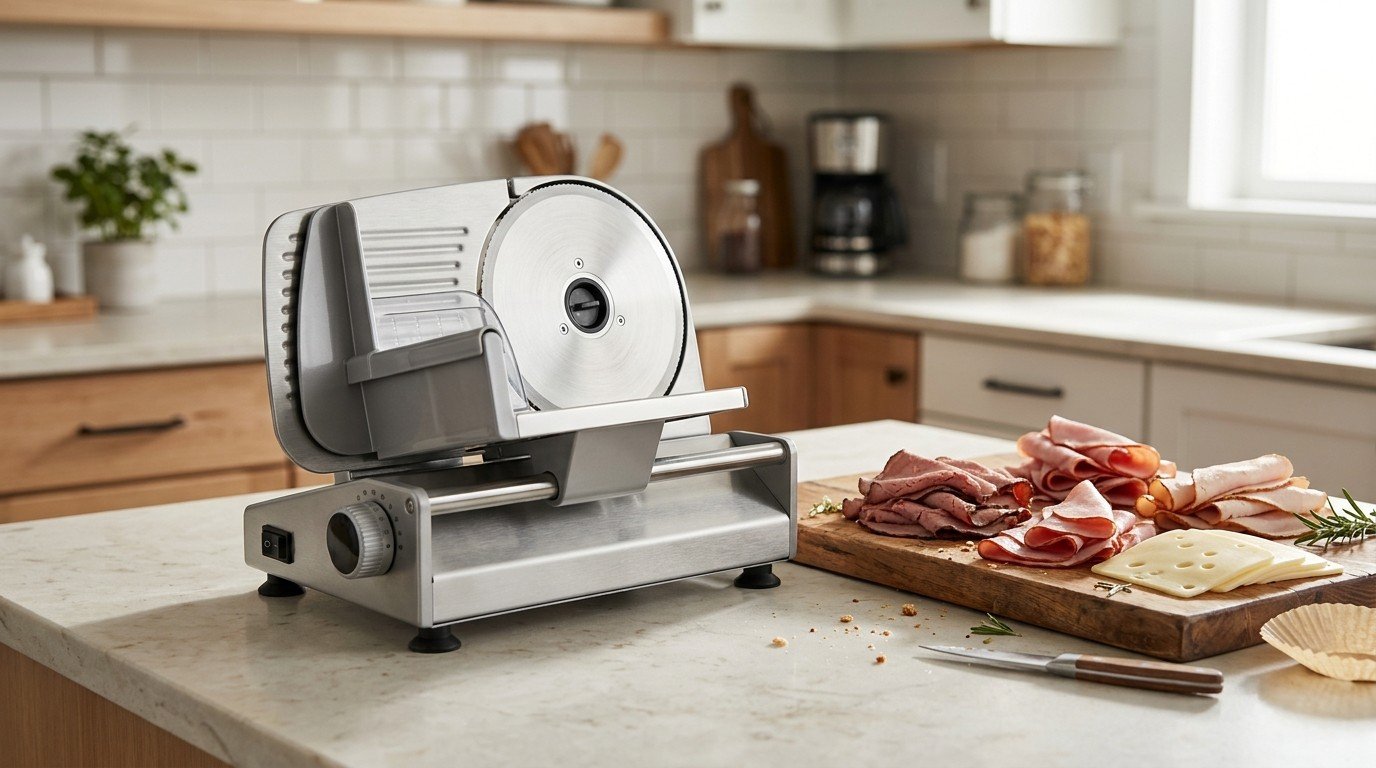
Graters and slicers
These tools help with chopping, slicing, mixing, blending, and other preparation tasks.
Cooking Equipment
Cooking equipment is used to apply heat to food. Common options include:
Ovens
Cooktops
Ranges
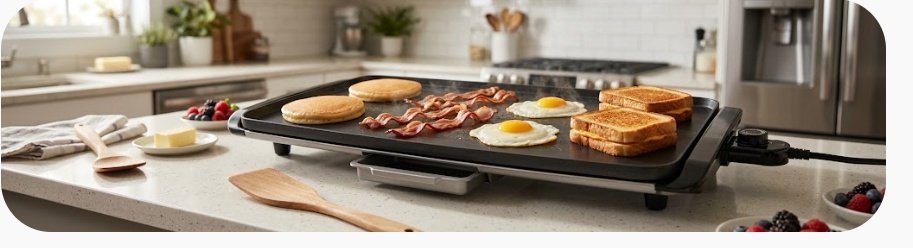
Electric griddles
Fryers
Grills
Microwave ovens
Slow cookers
The best choice depends on the type of food being prepared and the amount of cooking required.
Refrigeration and Storage Equipment
Proper food storage is essential for maintaining quality and reducing waste. Refrigerators and freezers keep perishable ingredients at suitable temperatures.
Other useful storage items include food containers, shelving, storage racks, and airtight containers. In professional kitchens, larger refrigeration systems may be required to handle high ingredient volumes.
Cleaning Equipment
Cleaning tools help maintain an organized and hygienic cooking area. Common examples include:
Dishwashers
Cleaning brushes
Scrub pads
Food-safe cleaning products
Waste containers
Sanitizing equipment
Cleaning equipment should be easy to access so that spills, food residue, and used utensils can be dealt with promptly.
Essential Kitchen Equipment for Everyday Cooking
Not every kitchen needs dozens of appliances. A practical setup should focus on equipment that supports the way you actually cook.
A good starting point includes a reliable knife, cutting board, cookware, mixing bowls, measuring tools, and basic cooking appliances. Additional equipment can be added as your cooking needs increase.
For example, people who frequently prepare sauces, soups, or smoothies may benefit from a blender. Those who regularly chop vegetables or process ingredients may find a food processor useful.
How to Choose the Right Kitchen Equipment
Choosing the right equipment involves more than comparing prices. Consider how often you will use an item and whether it fits your available workspace.
Consider Kitchen Size
Measure your available counter and floor space before purchasing large appliances. Equipment that is too large can make movement and cleaning difficult.
For commercial kitchens, leave enough room around major appliances for safe operation, cleaning, and routine servicing.
Check Material and Construction
Durable materials can be especially important for equipment that receives frequent use. Stainless steel is commonly used in many professional kitchen applications because it is durable and relatively easy to clean.
For smaller tools, look for comfortable handles, secure construction, and materials appropriate for food contact.
Look at Energy Use
Electrical appliances can contribute significantly to operating costs. Check the manufacturer’s specifications for energy consumption and efficiency information before buying.
Energy-efficient equipment may also help reduce unnecessary power use over time.
Think About Maintenance
Equipment should be simple to clean and maintain. Removable components, accessible surfaces, and clear manufacturer instructions can make routine care easier.
Before buying an appliance, check whether replacement parts and service support are available for the model.
Kitchen Equipment for Commercial Kitchens
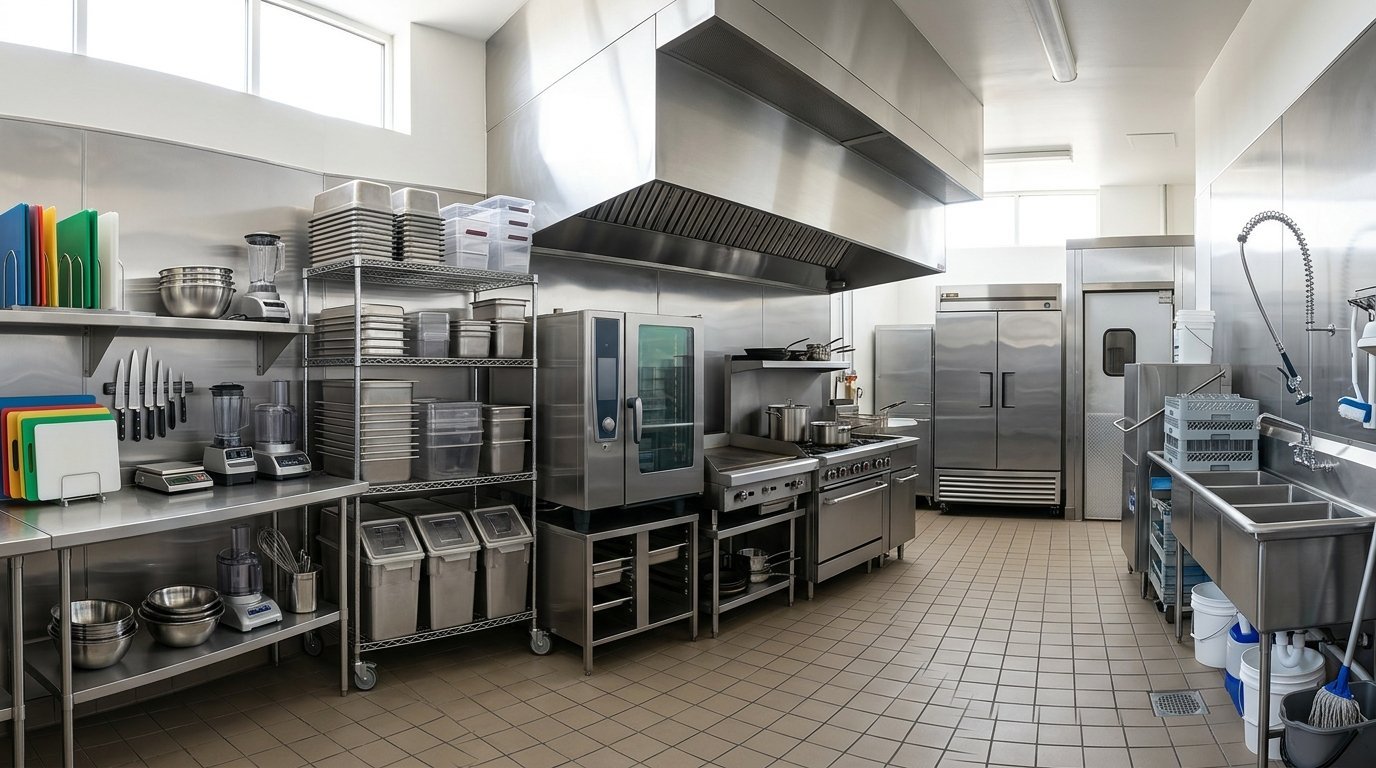
Commercial kitchens have different requirements from residential kitchens. Restaurants, cafés, bakeries, and catering operations often need equipment that can handle frequent use and larger quantities of food.
Typical commercial setups may include cooking ranges, ovens, refrigeration units, preparation tables, food processors, mixers, dishwashers, and storage systems.
You can also read our guide on [commercial kitchen equipment] to learn more about equipment commonly used in professional foodservice operations.
When selecting commercial equipment, consider workflow, capacity, available space, electrical requirements, ventilation, cleaning needs, and local installation requirements.
Important Features to Look For
Useful features vary depending on the equipment. However, several characteristics are worth considering when comparing products.
Capacity
Choose a capacity that matches your typical workload. A small appliance may be sufficient for occasional home use, while a busy commercial kitchen may require larger-capacity equipment.
Safety Features
Look for practical safety features such as stable bases, heat-resistant handles, automatic shutoff functions, protective guards, and secure controls where appropriate.
Always follow the manufacturer’s operating instructions.
Ease of Cleaning
Smooth surfaces and removable parts can make cleaning easier. Equipment that is difficult to clean may require more time and effort during routine maintenance.
Warranty and Support
Review the manufacturer’s warranty and customer support information before purchasing expensive equipment. Availability of replacement parts can also be important for long-term use.
How to Maintain Kitchen Equipment
Regular maintenance can help equipment operate properly and extend its useful life.
Clean equipment according to the manufacturer’s instructions and remove food residue after use. Do not use abrasive cleaners or tools unless the manufacturer specifically recommends them.
For electrical appliances, inspect cords and plugs regularly and stop using equipment that shows signs of electrical damage.
Large appliances should also receive appropriate servicing when recommended by the manufacturer.
Common Mistakes When Buying Kitchen Equipment
Buying kitchen equipment without considering your actual needs can lead to unnecessary expenses and wasted space. Before purchasing, think about your cooking habits, available space, budget, and maintenance requirements. A little planning can help you choose equipment that is practical and suitable for long-term use.
Buying More Than You Need
A larger or more powerful appliance is not always the best choice for your kitchen. Choose equipment based on your cooking volume, frequency of use, and available space. This can help avoid spending extra money on features or capacity you may rarely use.
Ignoring Available Space
Always measure the available space before purchasing large kitchen equipment. Consider the appliance’s height, width, doors, handles, and required ventilation space. You should also leave enough room for cleaning, operation, and routine maintenance.
Focusing Only on Price
The cheapest equipment may not always provide the durability or features you need. Compare construction quality, warranty, energy use, maintenance, and expected lifespan along with the purchase price. A suitable product should provide practical value over time.
Forgetting Maintenance Requirements
Every appliance requires regular cleaning and some level of maintenance to work properly. Check the manufacturer’s care instructions before purchasing and make sure routine cleaning is manageable. Easy maintenance can help keep your equipment efficient and extend its useful life.
Kitchen Equipment vs. Kitchen Appliances
The terms “kitchen equipment” and “kitchen appliances” are sometimes used interchangeably, but they can describe slightly different groups of products.
Kitchen equipment can include both powered appliances and manual tools, such as knives, cutting boards, cookware, food processors, and storage equipment.
Kitchen appliances generally refer to powered devices such as refrigerators, ovens, blenders, dishwashers, and microwaves.
The exact terminology can vary depending on the retailer, manufacturer, or context.
Final Thoughts
Choosing the right kitchen equipment can make food preparation more convenient, organized, and efficient. Start with the tools and appliances that match your cooking habits, available space, and budget.
For professional kitchens, consider capacity, workflow, durability, safety, cleaning requirements, and service support before making major purchases. A well-planned equipment setup can make everyday kitchen tasks easier while supporting consistent food preparation.
- All Posts
- Buying Guides
- Commercial Kitchen
- Kitchen Equipment
- Product Reviews
- Tips & Maintenance