Best Commercial Blender: Buying Guide
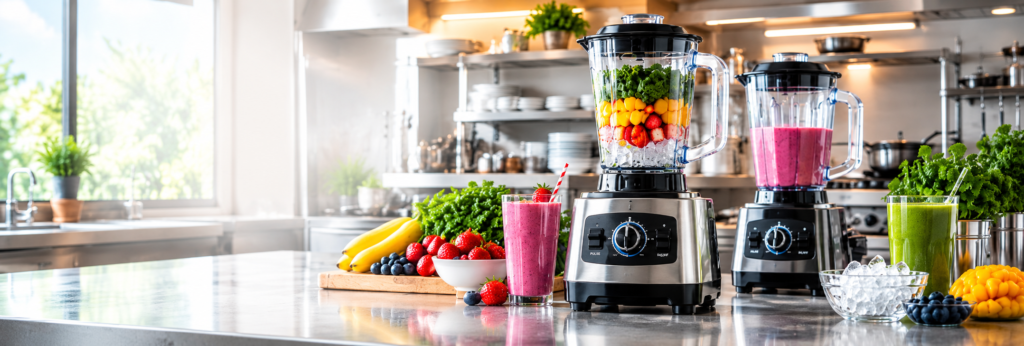
Discover the best commercial blender for restaurants, cafés, smoothie shops, and bars. Learn about key features, motor power, capacity, durability, and maintenance before choosing the right blender for your business.
Essential Kitchen Equipment: 15 Must-Have Tools for Every Kitchen
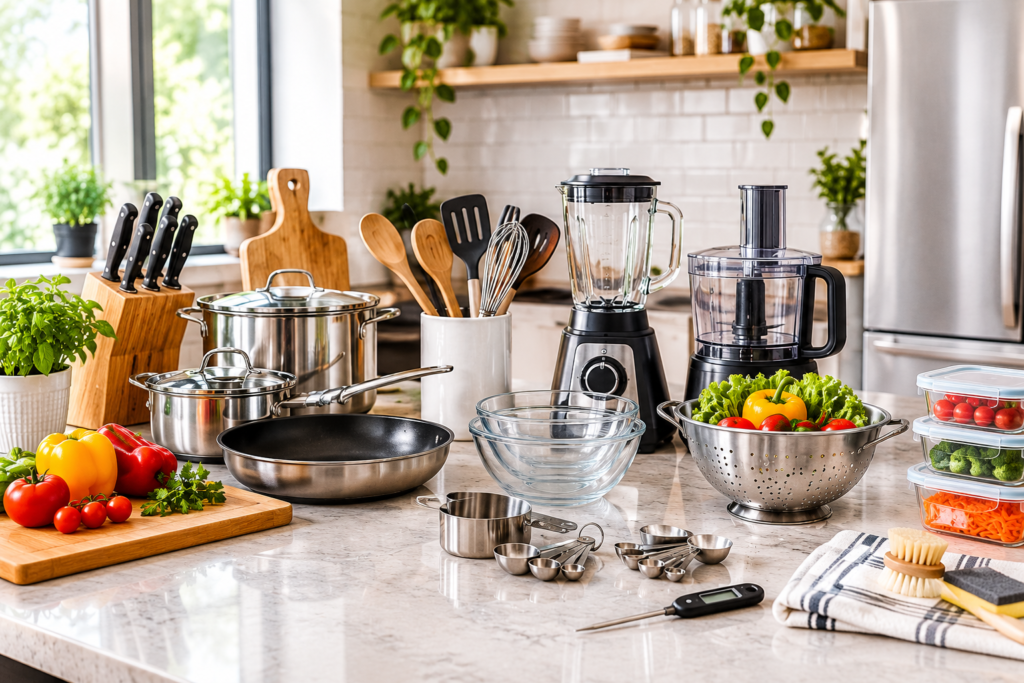
**Excerpt:**
Discover the **Essential Kitchen Equipment** every kitchen needs, from knives and cookware to appliances, storage tools, and cleaning essentials. Learn how to choose practical, durable equipment based on your space, cooking needs, and budget.
How to Choose Commercial Kitchen Equipment: Complete Guide

Learn how to choose commercial kitchen equipment based on your menu, kitchen space, capacity, energy efficiency, durability, safety, maintenance needs, and budget. This guide covers the key factors to consider before investing in restaurant equipment.
Restaurant Equipment Buying Guide: What to Buy and How to Choose
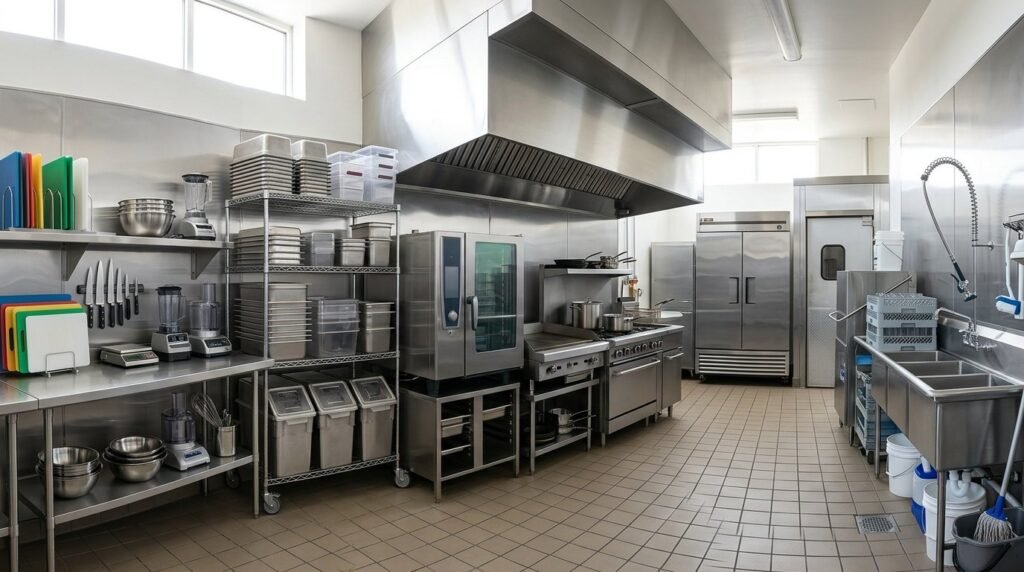
.Restaurant Equipment Buying Guide helps you choose the right commercial kitchen equipment based on your menu, kitchen space, workload, budget, safety, and long-term maintenance needs.
Kitchen Equipment: Essential Tools for Every Kitchen
Discover the essential kitchen equipment for efficient cooking and food preparation. Learn about different types of equipment, key features, buying tips, and maintenance practices for home and commercial kitchens.
Best Food Processor: How to Choose the Right One for Your Kitchen
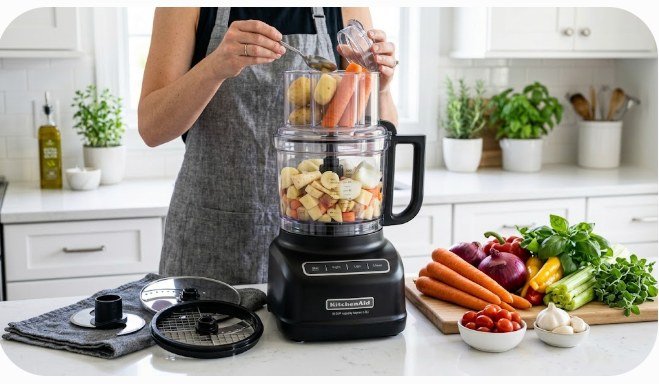
Find the best food processor for your Discover how to choose the best food processor for your kitchen. Compare capacity, motor power, blades, attachments, and essential features to find the right model for your cooking needs.
Is Aluminum Cookware Safe? Benefits, Risks, and Expert Advice
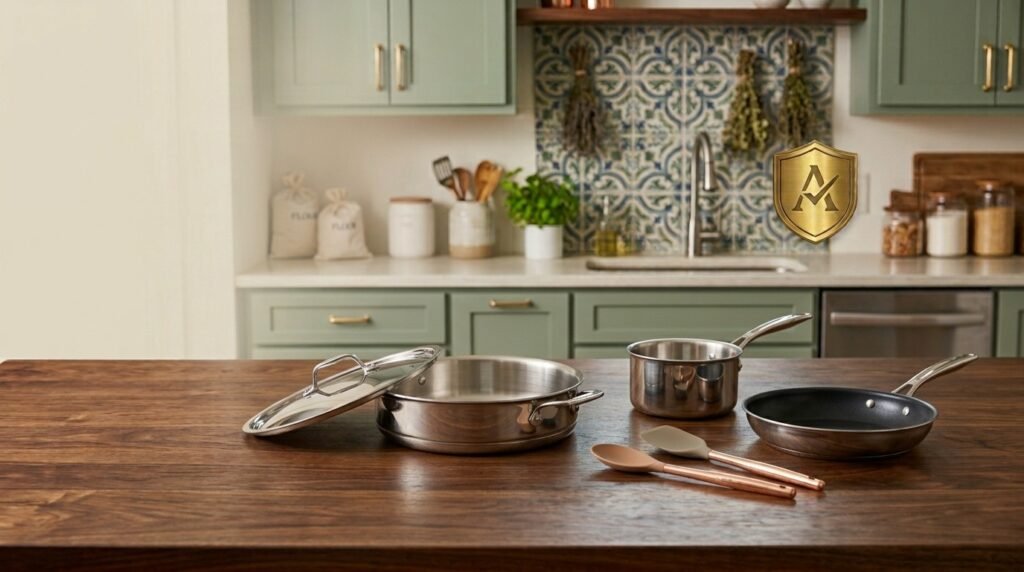
Is Aluminum Cookware Safe for Everyday Cooking? Is aluminum cookware safe? This is a common question among home cooks who want to choose safe and practical pots and pans. Aluminum cookware is popular because it is lightweight, affordable, and excellent at conducting heat. However, some people worry about whether aluminum can enter food during cooking and whether that may cause health problems. For most people, aluminum cookware can be used safely when it is in good condition and used properly. The amount of aluminum that may transfer into food is generally influenced by factors such as the type of cookware, cooking time, and the acidity of the food. What Is Aluminum Cookware? Aluminum cookware includes pots, pans, baking sheets, roasting pans, and other kitchen tools made partly or entirely from aluminum. Because aluminum heats quickly and distributes heat efficiently, it has become a common material in both home and commercial kitchens. There are several main types of aluminum cookware: Bare Aluminum Bare aluminum cookware is made from untreated aluminum. It usually heats quickly and is relatively inexpensive. However, acidic or salty foods may react with the surface and increase the amount of aluminum transferred to food. Anodized Aluminum Anodized aluminum has been specially treated to create a harder and more durable surface. This process helps reduce reactions between the aluminum and food. Aluminum With a Nonstick Coating Some aluminum pans are covered with a nonstick coating. The aluminum provides fast and even heating, while the coating helps prevent food from sticking. Is Aluminum Cookware Safe According to Food Safety Guidance? The safety of aluminum cookware depends on how it is manufactured, maintained, and used. Aluminum is a naturally occurring element, and small amounts can be present in food, drinking water, and other everyday sources. According to the U.S. Food and Drug Administration (FDA), food-contact materials are regulated to help ensure that they are safe for their intended use. For most people, occasional or normal exposure to small amounts of aluminum from cookware is generally not considered a major concern. However, using damaged cookware or repeatedly cooking highly acidic foods in untreated aluminum may increase aluminum migration. Does Aluminum Leach Into Food? Yes, small amounts of aluminum can potentially transfer into food during cooking. The amount depends on several factors. Acidic Foods Can Increase Aluminum Transfer Foods containing a high level of acid may react more easily with bare aluminum. Examples include: Tomatoes Tomato sauce Citrus fruits Vinegar-based foods Some fruit sauces Long cooking times may also increase the opportunity for aluminum to transfer into food. Scratched or Damaged Cookware May Be Less Ideal If aluminum cookware has a protective surface or coating, significant scratches or damage can reduce that protection. Inspect your cookware regularly and replace it if the surface is heavily damaged. Is Anodized Aluminum Cookware Safe? Hard-anodized aluminum cookware is often considered a practical option for everyday cooking. The anodization process creates a harder surface that is more resistant to corrosion and food reactions. Compared with untreated aluminum, anodized cookware is less likely to react with acidic ingredients. It can also be more durable and resistant to scratches. However, proper care is still important. Always follow the manufacturer’s instructions regarding utensils, cleaning methods, dishwasher use, and oven temperatures. Benefits of Using Aluminum Cookware Aluminum cookware remains popular for several useful reasons. It is commonly used in home kitchens because it offers good cooking performance without being overly expensive. Depending on the construction and coating, aluminum pots and pans can be suitable for many everyday cooking tasks. Heats Up Quickly Aluminum is an excellent heat conductor, allowing pots and pans to heat up faster than some other cookware materials. This can help reduce waiting time when preparing meals. Quick heating also makes aluminum cookware convenient for everyday tasks such as frying, sautéing, and boiling. Lightweight and Easy to Handle Compared with heavier cookware materials such as cast iron, aluminum is much easier to lift and move around the kitchen. This can be especially useful when handling larger pots or pans filled with food. Its lightweight design also makes everyday cooking and storage more convenient. Affordable Aluminum cookware is available at a wide range of price points, making it suitable for different budgets. Basic aluminum pans are often inexpensive, while hard-anodized and premium options may cost more. This variety allows cooks to choose cookware based on their needs and budget. Provides Even Heat Distribution High-quality aluminum cookware can distribute heat efficiently across the cooking surface. More even heating can help reduce excessively hot areas that may cause food to cook unevenly. This makes aluminum a useful material for many common cooking methods. Possible Risks of Aluminum Cookware Although aluminum cookware is widely used, there are some situations where extra care is helpful. The condition of the cookware, the type of food being prepared, and the cooking method can all affect its performance. Proper use and maintenance can help reduce potential concerns. Cooking Highly Acidic Foods Cooking acidic foods for long periods in bare aluminum cookware may increase the amount of aluminum transferred to food. Ingredients such as tomatoes, citrus, and vinegar can react more easily with untreated aluminum surfaces. For long-simmering acidic recipes, stainless steel, glass, or anodized cookware may be a better option. Using Damaged Cookware Deep scratches, corrosion, dents, or peeling coatings can affect the condition and performance of cookware. Damaged surfaces may become more difficult to clean and may not cook food as evenly as before. If a pan is severely damaged, replacing it is usually the better choice. Using the Wrong Cooking Method Not every aluminum pan is designed for the same type of cooking or heat level. Some cookware may have limitations regarding high temperatures, ovens, dishwashers, or certain cooking surfaces. Always check the manufacturer’s instructions to make sure you are using the cookware correctly. How to Use Aluminum Cookware Safely You can reduce potential concerns by following a few simple practices. Choose high-quality cookware from a reputable manufacturer. Avoid using heavily damaged or
How Do You Open the KitchenAid Food Chopper?
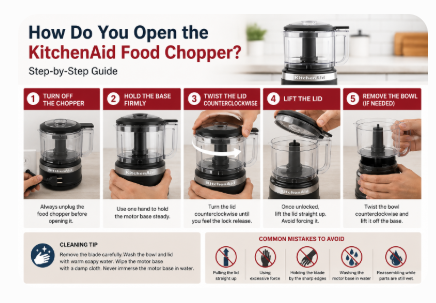
How Do You Open the KitchenAid Food Chopper? If you’ve recently purchased a KitchenAid food chopper, you may wonder, how do you open the KitchenAid food chopper without damaging the lid or locking mechanism. The good news is that KitchenAid choppers are designed with a simple safety-lock system that’s easy to use once you understand how it works. In this guide, you’ll learn the correct way to unlock and open your food chopper, along with tips for troubleshooting a stuck lid and keeping your appliance in excellent condition.Why KitchenAid Food Choppers Have a Locking Lid KitchenAid food choppers feature a safety locking system that prevents the motor from operating unless the bowl and lid are correctly secured. This helps prevent spills and reduces the risk of accidents. Because of this design, the lid may feel tight if you’re unfamiliar with the locking mechanism. How Do You Open the KitchenAid Food Chopper? Follow these simple steps: Step 1: Turn Off and Unplug the Appliance Always disconnect the food chopper before opening it. Safety should always come first. Unplugging the appliance prevents accidental operation while you’re handling the lid or blade. It also helps protect both you and the appliance from unnecessary damage. Step 2: Hold the Bowl Firmly Place one hand on the bowl to prevent it from moving while you unlock the lid. A steady grip makes it easier to release the locking mechanism without slipping. Keeping the bowl stable also reduces the risk of spilling any ingredients inside. Step 3: Rotate the Lid Most KitchenAid food choppers open by turning the lid counterclockwise until it unlocks. Rotate the lid slowly until you feel or hear the locking mechanism release. Avoid forcing the lid, as applying too much pressure could damage the locking tabs or make opening more difficult. Step 4: Lift the Lid Straight Up Once unlocked, gently lift the lid upward without tilting it. If you feel resistance, check that the lid has fully rotated to the unlock position before trying again. Pulling too hard may damage the lid or spill the contents inside the bowl. Step 5: Remove the Blade Carefully The stainless-steel blade is extremely sharp, so handle it with extra care. Always remove it by holding the plastic center hub instead of touching the cutting edges. Place the blade on a flat surface immediately after removal to avoid accidental cuts. What If the Lid Won’t Open? Sometimes users find the lid difficult to remove. Try these solutions: Ensure the appliance is unplugged. Rotate the lid completely to the unlock position. Hold the bowl securely while twisting. Remove any food trapped around the seal. Wait a minute if pressure has built up inside. Never use excessive force. Common Reasons the Lid Gets Stuck A food chopper lid may become difficult to open because of: Food debris around the locking tabs Overfilled processing bowl Incorrect lid alignment Vacuum pressure after processing liquids Worn or damaged locking parts Cleaning the appliance regularly helps prevent these problems. How to Clean the Food Chopper After Opening Proper cleaning extends the life of your appliance. Follow these steps: Remove the blade carefully. Wash the bowl and lid with warm, soapy water. Wipe the motor base with a damp cloth. Dry all parts completely. Reassemble only after everything is dry. Always consult your owner’s manual for dishwasher-safe components. Common Mistakes to Avoid Many first-time users accidentally damage the locking mechanism. Avoid these mistakes: Pulling the lid straight upward before unlocking Using metal tools to pry open the lid Forcing the lock Running the chopper with an improperly installed lid Ignoring food buildup inside the locking grooves Tips for Easier Opening Every Time You can make opening your KitchenAid food chopper easier by: Cleaning the locking grooves after every use Avoiding overfilling the bowl Properly aligning the lid before locking Drying the locking tabs after washing Following the manufacturer’s instructions Why won’t my KitchenAid food chopper lid come off? Usually the lid hasn’t been fully rotated into the unlock position or food residue is blocking the locking tabs. Can I force the lid open? No. Forcing the lid may damage the locking mechanism or crack the plastic bowl. Is the bowl dishwasher safe? Many KitchenAid food chopper bowls and lids are dishwasher safe, but always check your specific model’s manual. Why is the blade difficult to remove? Food residue can create suction around the blade hub. Wiggle it gently while holding the plastic center. All Posts Buying Guides Commercial Kitchen Kitchen Equipment Product Reviews Tips & Maintenance How Do You Open the KitchenAid Food Chopper? Restaurant Kitchen Cleaning Checklist: A Complete Daily, Weekly & Monthly Guide How the Right Commercial Kitchen Setup Improves Restaurant Efficiency 10 Types of Commercial Ovens and How to Choose One Restaurant Kitchen Cleaning Checklist: A Complete Daily, Weekly & Monthly Guide Hot News How Do You Open the KitchenAid Food Chopper? 10 Types of Commercial Ovens and How to Choose One How Do You Open the KitchenAid Food Chopper? Easy Step-by-Step Guide Restaurant Kitchen Cleaning Checklist: A Complete Daily, Weekly & Monthly Guide How the Right Commercial Kitchen Setup Improves Restaurant Efficiency 10 Types of Commercial Ovens and How to Choose One Restaurant Kitchen Cleaning Checklist: A Complete Daily, Weekly & Monthly Guide Commercial Kitchen Design: The Complete Guide to Planning an Efficient Kitchen How to Clean Commercial Kitchen Equipment: The Complete Cleaning & Maintenance Guide
Who Makes Kitchen Aid Appliances? Manufacturer, Owner & Brand Guide (2026)
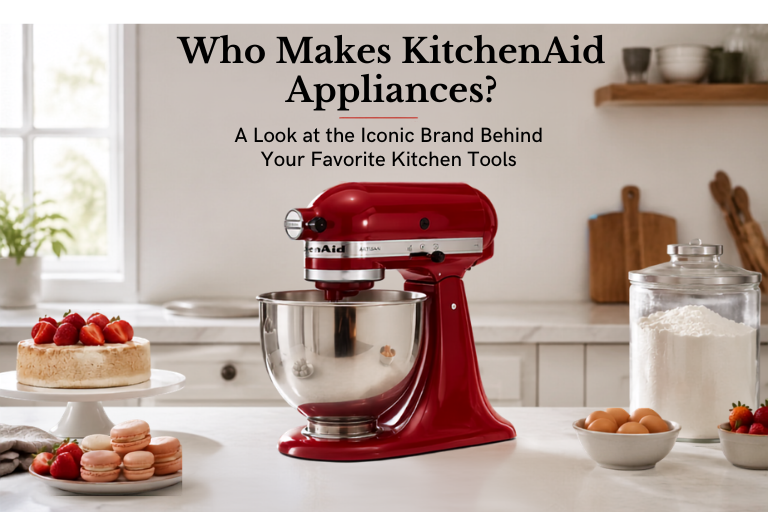
Who makes kitchen aid appliances? If you’re planning to buy a KitchenAid stand mixer, refrigerator, dishwasher, or another kitchen appliance, you may want to know who manufactures the brand. In this guide, you’ll discover who makes KitchenAid appliances, who owns the company, where the products are manufactured, and why KitchenAid has remained one of the most trusted names in home kitchens. Who Makes Kitchen Aid Appliances Today? If you’ve ever asked who makes KitchenAid appliances, the answer is Whirlpool Corporation. Whirlpool Corporation acquired KitchenAid in 1986 after purchasing the brand from the Hobart Corporation. Since then, Whirlpool has expanded the KitchenAid product lineup while maintaining its reputation for premium kitchen Utensils. Today, KitchenAid offers: Stand mixers Refrigerators Dishwashers Wall ovens Cooktops Microwaves Ranges Small countertop appliances Who Owns KitchenAid Equipment? KitchenAid began in 1919 with the launch of its famous stand mixer. Originally developed for commercial bakeries, the mixer soon became popular in home kitchens because of its durability and versatility. Over the decades, the company expanded into large household appliances while keeping the same focus on quality craftsmanship. Where Are KitchenAid Appliances Manufactured? Many consumers researching who makes KitchenAid appliances also want to know where they’re made. The answer depends on the product. KitchenAid manufactures appliances in several countries, including: United States Mexico China Canada Italy (selected products) Many premium stand mixers are still assembled in the United States, while some large appliances are produced in Whirlpool manufacturing facilities across North America. Are KitchenAid Equipment Good Quality? KitchenAid has earned a reputation for combining performance, durability, and stylish design. Some key advantages include: Premium materials Reliable performance Elegant finishes Long product lifespan Strong warranty support Wide availability of replacement parts These qualities make KitchenAid a favorite among both home cooks and professional chefs. Most Popular KitchenAid Appliances Some of the brand’s best-selling products include: Stand Mixers KitchenAid stand mixers remain the company’s signature product and are widely used for baking, mixing dough, and preparing desserts. Dishwashers Known for quiet operation and efficient cleaning. Refrigerators Available in French door, side-by-side, and built-in models. Wall Ovens Offer advanced cooking technology with modern designs. Cooktops Available in both gas and electric models. Why People Trust KitchenAid When researching who makes KitchenAid appliances, buyers often compare the brand with competitors. KitchenAid continues to stand out because of: Over 100 years of history Attractive design Dependable performance Innovative features Excellent customer satisfaction Extensive dealer network Are Kitchen Aid Equipment Worth Buying? For homeowners looking for reliable kitchen appliances, KitchenAid remains one of the best premium brands. Although prices can be higher than budget alternatives, many users appreciate the long-lasting quality and stylish appearance. If you enjoy cooking or baking regularly, KitchenAid appliances can be a worthwhile investment. Frequently Asked Questions Who owns KitchenAid today? Its owned by Whirlpool Corporation. Is KitchenAid an American brand? Yes. its originated in the United States. Are KitchenAid stand mixers made in the USA? Many stand mixers are assembled in Ohio, although some components may come from other countries. Is Whirlpool the same as KitchenAid? Its a separate brand owned by Whirlpool Corporation. Final Thoughts If you’ve been wondering who makes KitchenAid appliances, the answer is straightforward: Whirlpool Corporation owns and manufactures the brand’s appliance lineup. With more than a century of innovation, KitchenAid continues to deliver dependable products that combine performance, durability, and timeless design. Whether you’re purchasing a stand mixer or remodeling your kitchen, KitchenAid remains one of the most trusted names in home Utensils.
