Kitchen Equipment: Essential Tools for Every Kitchen
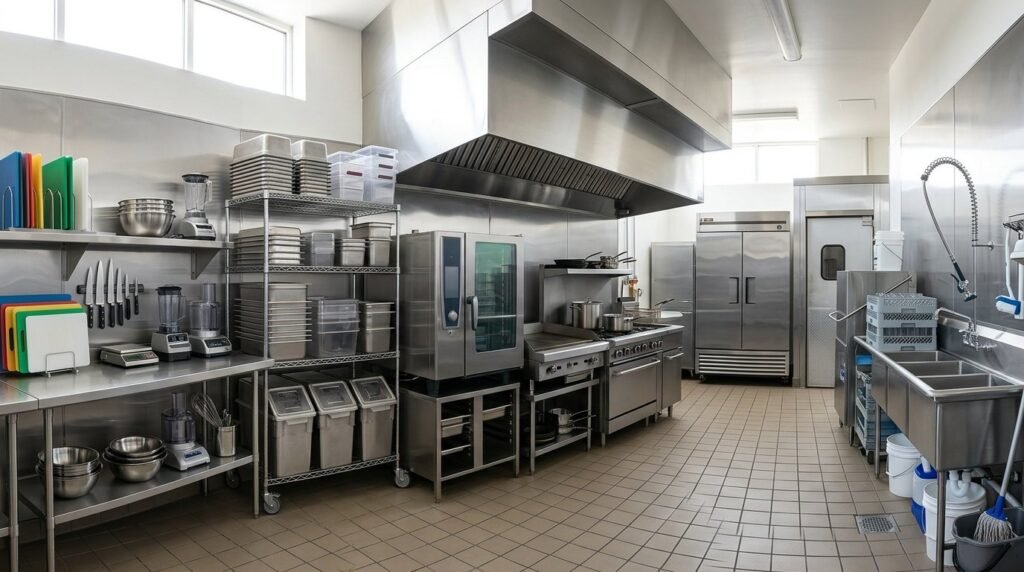
Discover the essential kitchen equipment for efficient cooking and food preparation. Learn about different types of equipment, key features, buying tips, and maintenance practices for home and commercial kitchens.
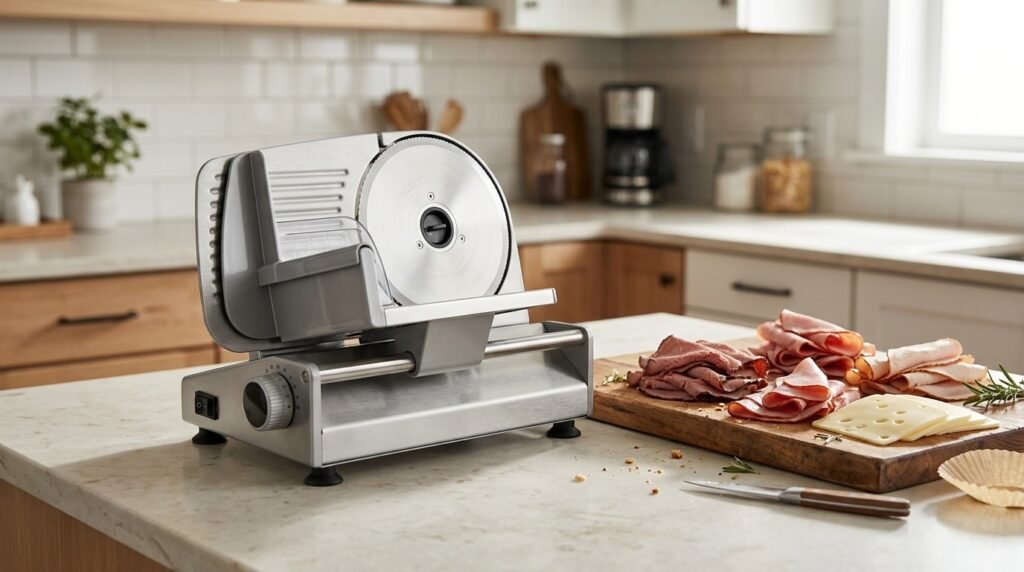
Best Meat Slicer for Home Use
Looking for the best countertop ice maker? Compare key features such as ice production, capacity, size, noise, cleaning, and ease of use before buying.
Best Countertop Ice Maker: Complete Buying Guide
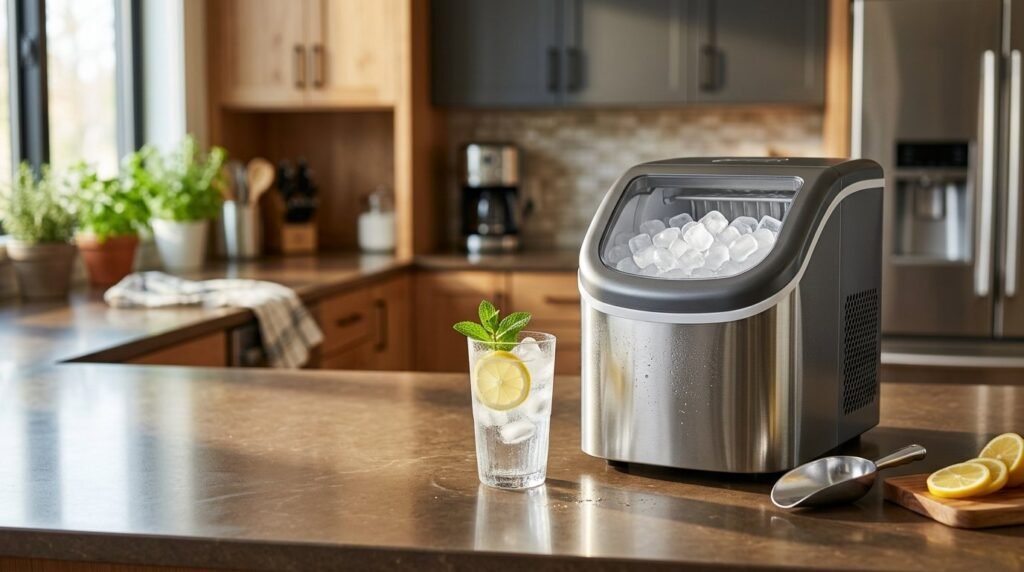
Looking for the best countertop ice maker? Compare key features such as ice production, capacity, size, noise, cleaning, and ease of use before buying.
Best Electric Griddle: Top Features to Look For
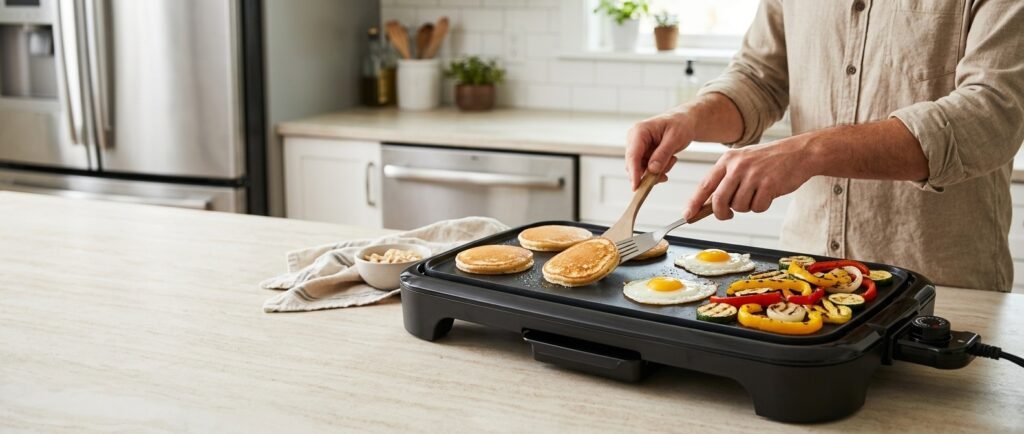
Best Electric Griddle: Top Features to Look For If you are looking for the best electric griddle, choosing the right model can make breakfast, lunch, and quick family meals much easier. Electric griddles provide a large, flat cooking surface that is useful for pancakes, eggs, bacon, burgers, grilled sandwiches, vegetables, and many other foods. Unlike a traditional frying pan, an electric griddle gives you more open cooking space and consistent countertop cooking. The right model should offer reliable temperature control, an easy-to-clean surface, useful grease management, and enough cooking area for your needs. What Is an Electric Griddle? An electric griddle is a countertop cooking appliance with a flat heated surface. Instead of using a stovetop burner, it uses electricity to heat the cooking plate. Many models include an adjustable temperature control that allows you to select different heat levels for different foods. Some designs also include a removable drip tray to collect excess grease. Electric griddles are especially useful when you need to cook several portions at once without using multiple pans. Why Choose the Best Electric Griddle? The best electric griddle can be a practical addition to a busy kitchen because it combines a large cooking surface with simple temperature adjustment. Here are some of its main advantages: Large cooking area: Cook several foods at the same time. Adjustable temperature: Choose an appropriate heat level for different recipes. Countertop convenience: No stovetop burner is required. Easy meal preparation: Useful for breakfast, lunch, and dinner. Simple cleanup: Many models feature nonstick surfaces and removable parts. Versatility: Suitable for pancakes, eggs, bacon, burgers, sandwiches, and vegetables. For example, some multifunctional electric cooking appliances use reversible or removable plates and offer multiple cooking configurations. Best Electric Griddle Features to Consider Not every electric griddle is designed the same way. Before buying one, compare the features that matter most for your cooking habits. Cooking Surface Size Cooking surface size is one of the most important factors. A larger surface is useful for families because you can prepare multiple portions without constantly waiting for space to become available. A compact griddle may be better for a small kitchen, apartment, or occasional cooking. Larger models are more suitable for families or people who regularly prepare breakfast for several people. Think about where you will store the appliance as well as how much food you normally cook. Adjustable Temperature Control Temperature control gives you more flexibility when preparing different foods. Pancakes may require a different heat setting than burgers or grilled sandwiches. Look for a model that allows you to adjust the temperature rather than relying on a single preset heat level. Some advanced designs provide multiple temperature zones, allowing different foods to be cooked at different temperatures. Cuisinart, for example, offers models with adjustable temperature controls and dual-zone cooking features. Nonstick Cooking Surface A quality nonstick surface can make cooking and cleanup easier. Food is less likely to stick, and you may need less cooking oil for many recipes. However, always follow the manufacturer’s instructions for utensils, cleaning products, and maximum temperatures. Avoid using metal utensils if the manufacturer recommends plastic, silicone, or wooden tools. Grease Management A grease channel or removable drip tray can make a significant difference when cooking bacon, sausage, burgers, and other fatty foods. A well-designed grease management system helps direct excess fat away from the cooking surface and into a collection tray. For example, some electric griddle designs use a grease channel that directs drippings into a collection cup. Removable Parts Removable cooking plates or drip trays can simplify cleanup. Before buying, check whether the removable components are dishwasher safe and whether replacement parts are available. This can be particularly useful if you use the appliance frequently. Some multifunctional models include removable dishwasher-safe cooking plates and drip trays. Even Heating Even heating is important because cold spots can result in unevenly cooked food. When comparing models, look for reliable heating performance and a cooking surface designed to distribute heat consistently. This is especially important when cooking pancakes, eggs, burgers, or several pieces of food at once. Size and Storage A large griddle provides more cooking space, but it also requires more storage room. Before purchasing, measure your available countertop and cabinet space. Also consider the appliance’s weight if you plan to move it frequently. A compact model may be a better choice if storage space is limited. Best Electric Griddle for Different Cooking Needs The right choice depends on how you plan to use the appliance. Cooking Need Recommended Features Small household Compact size Large family Large cooking area Pancakes & eggs Precise temperature control Bacon & sausage Drip tray Frequent cooking Durable, easy-clean surface Limited storage Compact/removable design Multiple foods Large surface/dual-zone Indoor/outdoor Portable design This comparison can help you narrow down your options before looking at individual models. What Can You Cook on an Electric Griddle? One reason an electric griddle is so useful is its versatility. You can prepare many everyday foods on a flat cooking surface. Breakfast Foods Electric griddles are particularly convenient for breakfast. You can cook: Pancakes French toast Eggs Bacon Sausage Hash browns Breakfast sandwiches A large surface allows you to prepare several breakfast items without using multiple pans. Burgers and Sandwiches A flat griddle surface works well for burgers and grilled sandwiches. You can also use it for grilled cheese, quesadillas, and similar foods. When cooking ground meat, use a food thermometer rather than relying only on color to determine whether it has reached a safe internal temperature. USDA guidance recommends cooking ground beef to 160°F (71.1°C). Vegetables Many vegetables can be cooked on an electric griddle with a small amount of oil. Sliced peppers, onions, mushrooms, zucchini, and other vegetables can be cooked quickly while developing a browned exterior. Other Foods Depending on the size and temperature range, you can also prepare: Grilled sandwiches Quesadillas Sausages Steak Chicken Fish Stir-fried vegetables Always check the manufacturer’s instructions before cooking foods that require high temperatures or special preparation. How to Choose
Best Food Processor: How to Choose the Right One for Your Kitchen
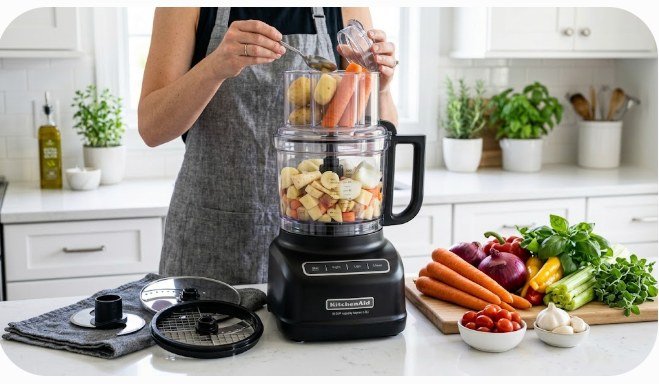
Find the best food processor for your Discover how to choose the best food processor for your kitchen. Compare capacity, motor power, blades, attachments, and essential features to find the right model for your cooking needs.
Best Air Fryer Toaster Oven: Top Picks for Every Kitchen
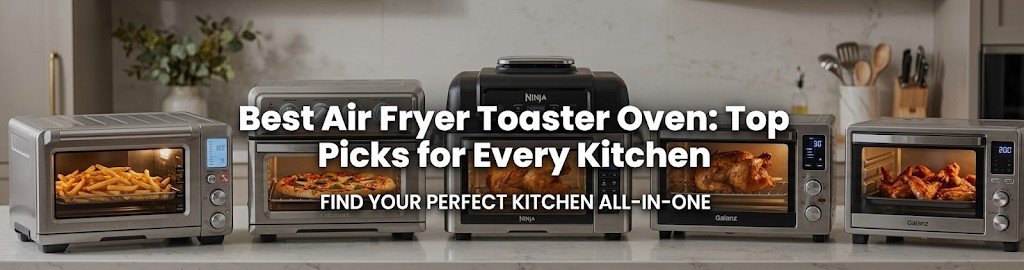
Best Air Fryer Toaster Oven: Top Picks, Features, and Buying Guide Finding the best air fryer toaster oven can make everyday cooking easier, faster, and more versatile. These countertop appliances combine the functions of an air fryer, toaster, and conventional oven, allowing you to prepare crispy fries, toast, roasted vegetables, baked dishes, and more without relying on a full-size oven. In this guide, we compare different types of air fryer toaster ovens and explain what features matter most. Whether you need a large family-sized model or a compact option for a small kitchen, this article will help you choose the right one. Model Type Best For Key Benefit Large-capacity smart oven Families More cooking space Mid-size digital oven Everyday cooking Balance of features and size Compact air fryer oven Small kitchens Saves counter space Budget-friendly model Beginners Basic functions at a lower cost Multi-function oven Versatility Multiple cooking modes Best Air Fryer Toaster Oven Overall For many home cooks, the ideal air fryer toaster oven should offer a good balance of cooking capacity, temperature control, versatility, and ease of cleaning. A larger smart oven can be especially useful if you regularly cook for several people. Some models offer functions such as air frying, baking, roasting, broiling, dehydrating, reheating, and toasting. Independent product testing has highlighted the importance of even cooking performance, capacity, temperature control, and versatility when comparing air fryer toaster ovens. One popular example is the Breville Smart Oven Air Fryer, which offers multiple cooking functions, including air frying. Why It Stands Out Multiple cooking functions Suitable for larger meals Can replace several countertop appliances Useful for baking and roasting Adjustable temperature settings The main downside of a larger model is that it can take up significant counter space and may cost more than a basic toaster oven. Best Compact Air Fryer Toaster Oven If you have limited kitchen space, a compact model may be the better choice. A smaller air fryer toaster oven is ideal for apartments, dorms, RVs, or kitchens with limited counter space. Compact models can still handle everyday tasks such as toasting, baking, reheating, and air frying. For example, the Cuisinart Compact Air Fryer Toaster Oven is designed for countertop use and includes several cooking functions, including air fry, toast, pizza, and warming modes. Best For One or two people Small kitchens Quick snacks Limited counter space The trade-off is capacity. A compact unit may not fit a large pizza, casserole dish, or family-sized meal. Best Air Fryer Toaster Oven for Families Families should prioritize interior capacity and flexibility. A larger model can make it easier to prepare multiple servings at once. Look for an oven that can accommodate a large baking dish, several slices of bread, or a family-sized chicken. Important Features for Families Large interior capacity Multiple rack positions Adjustable temperature Air fry basket Baking pan Easy-to-use controls Automatic shutoff The Breville Smart Oven Air Fryer Pro and other large-capacity models are commonly included in independent comparisons because of their spacious cooking chambers and broad range of functions. Best Budget Air Fryer Toaster Oven You do not always need the most expensive appliance to enjoy the benefits of air frying. A budget-friendly model should still provide reliable performance for the basics. Look for air fry, bake, broil, and toast functions before paying extra for features you may never use. Look for These Basic Features Adjustable temperature Timer Air fry function Toast settings Removable crumb tray Included baking or air fry accessories A simpler model can be an excellent choice for beginners who want to try an air fryer toaster oven without investing in a premium appliance. What to Look for When Choosing the Best Air Fryer Toaster Oven Before buying, consider how you plan to use the appliance. 1. Cooking Capacity Capacity is one of the most important factors. Think about what you normally cook. A small household may only need space for toast, fries, and small meals. A larger household may need enough room for a pizza, chicken, casserole, or multiple servings. 2. Cooking Functions Most air fryer toaster ovens offer several functions, but the exact number varies by model. Common options include: Air fry Bake Broil Toast Roast Reheat Warm Dehydrate Pizza Slow cook More functions can increase versatility, but it is better to choose an appliance with features you will actually use. 3. Counter Space Measure your available space before purchasing. Remember to consider not only the width of the appliance but also the depth required when opening the door. Larger models may offer more capacity but can dominate a small countertop. 4. Temperature Control Precise temperature settings can improve cooking results, especially when baking or roasting. Digital controls may offer more precise adjustments, while manual controls can be simpler and easier to operate. 5. Ease of Cleaning Cleaning should not be overlooked. Look for: Removable crumb trays Dishwasher-safe accessories Nonstick or easy-clean surfaces Removable air fry baskets Accessible interior space An appliance that is easy to clean is more likely to be used regularly. Air Fryer Toaster Oven vs. Traditional Air Fryer A traditional basket-style air fryer is usually more compact and may cook smaller portions quickly. An air fryer toaster oven offers more flexibility because it can perform additional tasks such as baking, broiling, and toasting. Feature Air Fryer Toaster Oven Traditional Air Fryer Toasting Yes Usually limited Baking Yes Limited Larger meals Often better Depends on basket size Counter space Usually larger Usually smaller Versatility High Moderate Cooking functions Multiple Usually fewer If you already own a toaster and want to reduce the number of appliances on your counter, an air fryer toaster oven may be the more practical option. How Does an Air Fryer Toaster Oven Work? An air fryer toaster oven uses heating elements and circulating hot air to cook food. The fan helps move hot air around the food, which can create a crisp exterior while cooking the inside. The appliance can also perform more traditional oven functions depending on the selected
Where to Start When Remodeling a Kitchen

Where to Start When Remodeling a Kitchen: Complete Step-by-Step Guide Remodeling a kitchen can improve your home’s appearance, storage, workflow, and everyday comfort. But before choosing cabinets or countertops, you need to know where to start when remodeling a kitchen. A successful project begins with a clear plan, realistic budget, functional layout, and the right materials. Whether you are updating a small kitchen or planning a complete renovation, following the right order can help you avoid expensive mistakes and unnecessary delays. Where to Start When Remodeling a Kitchen: Assess Your Current Space The first step is to look carefully at your existing kitchen. Identify what works well and what causes problems. Ask yourself: Is there enough storage? Do you have enough countertop space? Is the current layout easy to work in? Are the cabinets damaged or outdated? Do the appliances fit your needs? Is the lighting adequate? Are plumbing or electrical changes necessary? Make a simple list of everything you want to keep, improve, replace, or remove. This gives you a starting point before making design decisions. Set a Realistic Kitchen Remodeling Budget After evaluating the space, establish your remodeling budget. Your budget should cover more than cabinets and countertops. Consider costs for: Cabinets Countertops Flooring Appliances Lighting Plumbing Electrical work Ventilation Backsplash Hardware Labor Permits, where required Unexpected repairs It is also wise to keep a contingency amount for unexpected expenses. Older kitchens can reveal plumbing, electrical, flooring, or structural problems once demolition begins. A detailed budget makes it easier to decide which improvements deserve the most attention. Plan the Kitchen Layout Before Buying Anything One of the most important answers to where to start when remodeling a kitchen is the layout. Do not purchase cabinets or appliances before confirming where everything will go. Think about how you move between the refrigerator, sink, cooking area, preparation space, and storage areas. Common kitchen layouts include: One-wall kitchen Galley kitchen L-shaped kitchen U-shaped kitchen Peninsula kitchen Island kitchen The best layout depends on the size of the room, household needs, available space, and desired workflow. For professional planning guidance, the National Kitchen & Bath Association (NKBA) Kitchen & Bath Planning Guidelines covers areas such as clearances, kitchen equipment, lighting, electrical planning, ventilation, storage, accessibility, and sustainable design. Decide Whether You Need Structural Changes Before finalizing your design, determine whether walls, windows, doors, plumbing lines, or electrical systems need to be changed. Removing a wall or relocating major utilities can significantly affect your budget and project timeline. If your remodeling project involves structural, electrical, plumbing, or other regulated work, check the applicable local building requirements and use qualified professionals where necessary. For a simple cosmetic renovation, however, you may be able to keep the existing infrastructure and focus on finishes, cabinets, fixtures, and appliances. Choose Kitchen Cabinets and Storage Cabinets usually have a major visual and functional impact on a kitchen. Choose them after the layout has been established. Consider: Cabinet size Door style Material Finish Drawer configuration Hardware Corner storage Pantry space Appliance integration Think about how you actually use your kitchen rather than choosing cabinets based only on appearance. Deep drawers can be useful for cookware, while pull-out organizers can make frequently used items easier to access. Select Kitchen Appliances Based on the Layout Appliances should fit the planned kitchen rather than being selected independently. Measure the available spaces carefully before ordering refrigerators, ranges, ovens, dishwashers, microwaves, or other appliances. Pay attention to: Appliance dimensions Door clearance Ventilation requirements Electrical connections Plumbing connections Energy efficiency Installation requirements If energy efficiency is important to you, ENERGY STAR provides a searchable list of certified products, including refrigerators, dishwashers, and electric cooking products. Select Countertops, Backsplash, and Flooring Once the major layout and cabinetry decisions are complete, choose the surfaces that will complete the kitchen. Countertops Consider durability, maintenance, appearance, heat resistance, and budget when selecting a countertop material. Popular choices include: Quartz Granite Marble Solid surface Laminate Wood Backsplash A backsplash can protect the wall behind your cooking and preparation areas while adding visual interest. Choose a material and pattern that works with your cabinets and countertops. Flooring Kitchen flooring should handle moisture, spills, traffic, and regular cleaning. Consider durability and maintenance as well as appearance. Plan Kitchen Lighting and Electrical Outlets Lighting is an important part of a kitchen remodel and should be planned before installation begins. A practical lighting plan may include: General or ambient lighting Task lighting Under-cabinet lighting Pendant lighting Accent lighting You should also determine where outlets and switches are needed. Consider countertop appliances, islands, refrigerators, dishwashers, cooking equipment, and other electrical needs. The NKBA’s current planning guidance includes electrical planning, lighting planning, power planning, ventilation, and other building-system considerations. Create a Remodeling Timeline A kitchen remodel becomes easier to manage when you know the approximate order of work. A typical project may follow this sequence: Assess the existing kitchen Set the budget Plan the layout Finalize the design Order cabinets and materials Arrange permits and professional services if required Remove old fixtures and finishes Complete electrical and plumbing work Install cabinets Install countertops Install backsplash and flooring Install appliances Complete lighting and finishing work Inspect and clean the space The exact order can vary depending on the scope of the renovation. Avoid These Common Kitchen Remodeling Mistakes Knowing where to start when remodeling a kitchen can help prevent several common problems, but you should also avoid these mistakes: Starting Without a Budget Before starting demolition, create a realistic budget for your kitchen remodel.Include materials, appliances, labor, permits, and unexpected expenses.A clear budget helps you prioritize important upgrades and avoid overspending. Choosing Appliances Too Late Choose your major appliances early because they affect the overall kitchen design.Their size and placement can influence cabinets, electrical connections, plumbing, and ventilation.Planning appliances early helps prevent installation problems later. Ignoring Storage A stylish kitchen can become difficult to use if it does not have enough storage.Think about where you will keep cookware, dishes, food, and small appliances.Use drawers, cabinets, pantry
Who Makes Kitchen Aid Appliances? Manufacturer, Owner & Brand Guide (2026)
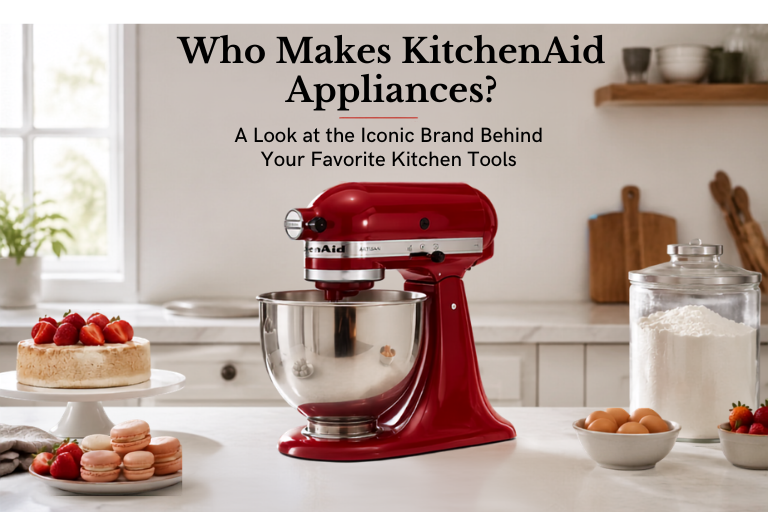
Who makes kitchen aid appliances? If you’re planning to buy a KitchenAid stand mixer, refrigerator, dishwasher, or another kitchen appliance, you may want to know who manufactures the brand. In this guide, you’ll discover who makes KitchenAid appliances, who owns the company, where the products are manufactured, and why KitchenAid has remained one of the most trusted names in home kitchens. Who Makes Kitchen Aid Appliances Today? If you’ve ever asked who makes KitchenAid appliances, the answer is Whirlpool Corporation. Whirlpool Corporation acquired KitchenAid in 1986 after purchasing the brand from the Hobart Corporation. Since then, Whirlpool has expanded the KitchenAid product lineup while maintaining its reputation for premium kitchen Utensils. Today, KitchenAid offers: Stand mixers Refrigerators Dishwashers Wall ovens Cooktops Microwaves Ranges Small countertop appliances Who Owns KitchenAid Equipment? KitchenAid began in 1919 with the launch of its famous stand mixer. Originally developed for commercial bakeries, the mixer soon became popular in home kitchens because of its durability and versatility. Over the decades, the company expanded into large household appliances while keeping the same focus on quality craftsmanship. Where Are KitchenAid Appliances Manufactured? Many consumers researching who makes KitchenAid appliances also want to know where they’re made. The answer depends on the product. KitchenAid manufactures appliances in several countries, including: United States Mexico China Canada Italy (selected products) Many premium stand mixers are still assembled in the United States, while some large appliances are produced in Whirlpool manufacturing facilities across North America. Are KitchenAid Equipment Good Quality? KitchenAid has earned a reputation for combining performance, durability, and stylish design. Some key advantages include: Premium materials Reliable performance Elegant finishes Long product lifespan Strong warranty support Wide availability of replacement parts These qualities make KitchenAid a favorite among both home cooks and professional chefs. Most Popular KitchenAid Appliances Some of the brand’s best-selling products include: Stand Mixers KitchenAid stand mixers remain the company’s signature product and are widely used for baking, mixing dough, and preparing desserts. Dishwashers Known for quiet operation and efficient cleaning. Refrigerators Available in French door, side-by-side, and built-in models. Wall Ovens Offer advanced cooking technology with modern designs. Cooktops Available in both gas and electric models. Why People Trust KitchenAid When researching who makes KitchenAid appliances, buyers often compare the brand with competitors. KitchenAid continues to stand out because of: Over 100 years of history Attractive design Dependable performance Innovative features Excellent customer satisfaction Extensive dealer network Are Kitchen Aid Equipment Worth Buying? For homeowners looking for reliable kitchen appliances, KitchenAid remains one of the best premium brands. Although prices can be higher than budget alternatives, many users appreciate the long-lasting quality and stylish appearance. If you enjoy cooking or baking regularly, KitchenAid appliances can be a worthwhile investment. Frequently Asked Questions Who owns KitchenAid today? Its owned by Whirlpool Corporation. Is KitchenAid an American brand? Yes. its originated in the United States. Are KitchenAid stand mixers made in the USA? Many stand mixers are assembled in Ohio, although some components may come from other countries. Is Whirlpool the same as KitchenAid? Its a separate brand owned by Whirlpool Corporation. Final Thoughts If you’ve been wondering who makes KitchenAid appliances, the answer is straightforward: Whirlpool Corporation owns and manufactures the brand’s appliance lineup. With more than a century of innovation, KitchenAid continues to deliver dependable products that combine performance, durability, and timeless design. Whether you’re purchasing a stand mixer or remodeling your kitchen, KitchenAid remains one of the most trusted names in home Utensils.
