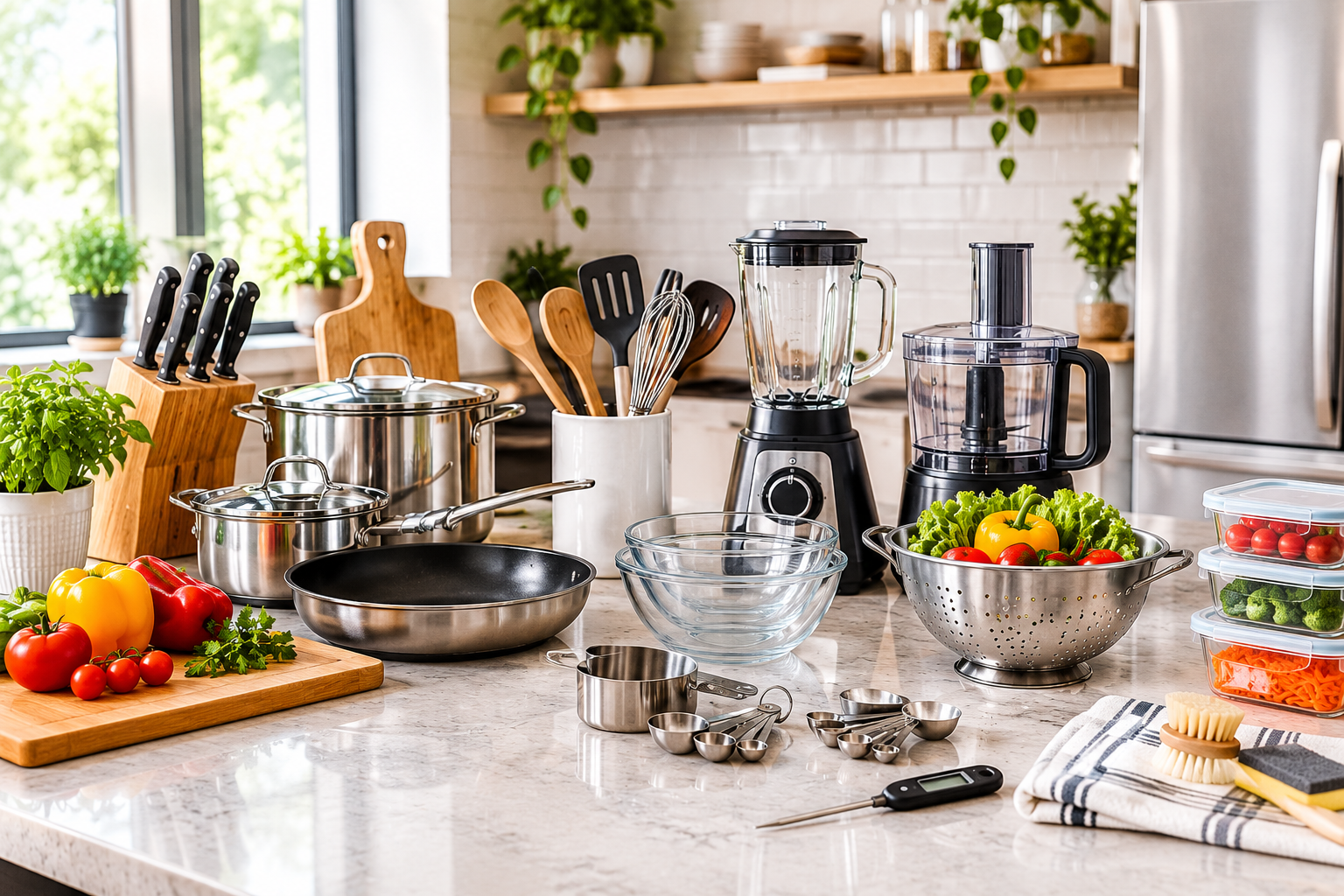
Finding the best food processor can make everyday meal preparation faster, easier, and more convenient. Whether you need to chop vegetables, slice potatoes, shred cheese, mix dough, or prepare sauces, a reliable food processor can save valuable time in the kitchen.
With so many sizes, features, and models available, choosing the right appliance can feel confusing. This guide explains what to look for and how to find a food processor that matches your cooking needs.
What Is the Best Food Processor for Your Needs?
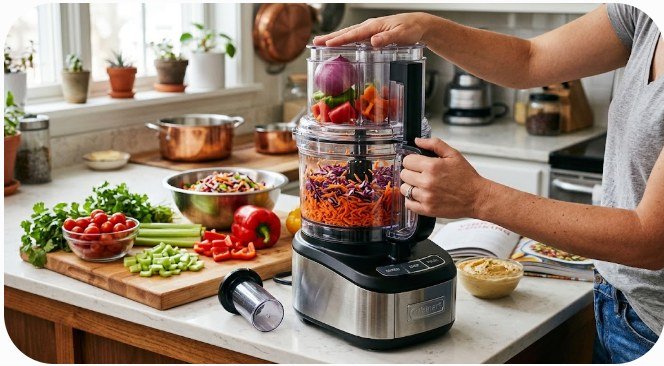
The right choice depends on how often you cook and what tasks you want the appliance to handle. A small model may be enough for occasional chopping, while a larger and more powerful machine can handle dough, vegetables, cheese, and larger batches of ingredients.
Before buying, consider:
- Bowl capacity
- Motor power
- Blade and disc options
- Ease of cleaning
- Safety features
- Storage space
- Available attachments
A good model should make your regular kitchen tasks easier without taking up unnecessary space.
Bowl Capacity: Choose the Right Size
Food processors are available in several sizes. Choosing the right capacity depends on the number of people you usually cook for.
Small Food Processors
Small models are useful for tasks such as:
- Chopping garlic and onions
- Preparing herbs
- Making small portions of sauces
- Grinding nuts
- Preparing dips
They usually take up less counter space and are easier to store.
Medium-Capacity Models
A medium-sized food processor is a practical option for everyday home cooking. It can usually handle vegetables, cheese, sauces, and other common ingredients.
Large Food Processors
Large-capacity machines are better for families, meal preparation, and bigger recipes. They can process larger quantities without requiring multiple batches.
Motor Power and Performance
Motor power affects how easily the machine can process tougher ingredients. A stronger motor may be helpful when working with dense vegetables, nuts, or dough.
However, more power is not always necessary for every kitchen. If you mainly chop soft vegetables or prepare small recipes, a moderate-power appliance may be sufficient.
When comparing the best food processor options, focus on consistent performance rather than choosing a model based only on the highest wattage.
Important Blades and Attachments
Attachments can significantly increase the usefulness of a food processor. Different blades and discs are designed for specific tasks, helping you prepare ingredients faster and with more consistent results. Choosing a model with the right attachments can make it more versatile for everyday cooking.
Chopping Blade
The chopping blade is one of the most commonly used attachments in a food processor. It can chop vegetables, herbs, nuts, and other ingredients quickly and evenly. You can also use it for mixing ingredients, preparing sauces, and making dips or purees.
Slicing Disc
A slicing disc helps create uniform slices of vegetables, fruits, potatoes, and other ingredients. It can save time when preparing salads, casseroles, or other recipes that require evenly sliced food. Some food processors also offer adjustable slicing thickness.
Shredding Disc
The shredding disc is useful for quickly shredding cheese, carrots, cabbage, and similar ingredients. It can produce more consistent results than manual grating and reduce food preparation time. This attachment is especially helpful when preparing larger quantities.
Dough Blade
A dough blade is designed to help mix and combine ingredients for bread, pizza, pastries, and other baked foods. It can make the dough preparation process easier and reduce the need for manual mixing. However, performance may vary depending on the motor power and bowl capacity of the food processor.
The more useful attachments included with the appliance, the more cooking tasks it may be able to handle. Before choosing a model, consider which blades and accessories you are most likely to use in your everyday cooking.
Ease of Cleaning
A food processor should be easy to clean after use. Look for removable parts and dishwasher-safe components if convenient cleanup is important to you.
You should also check whether food can become trapped around the blade assembly or lid. A simple design can make regular maintenance easier.
For general appliance safety and care guidance, you can also visit KitchenAid’s official website.
Safety Features to Consider
Safety should be an important part of your decision. Many food processors include features that prevent the motor from operating unless the bowl and lid are correctly locked.
Useful safety features may include:
- Locking bowl mechanisms
- Secure lids
- Non-slip bases
- Overload protection
- Safety interlock systems
Always read the manufacturer’s instructions before using a new appliance.
Food Processor vs. Blender
Although both appliances process food, they are designed for different tasks.
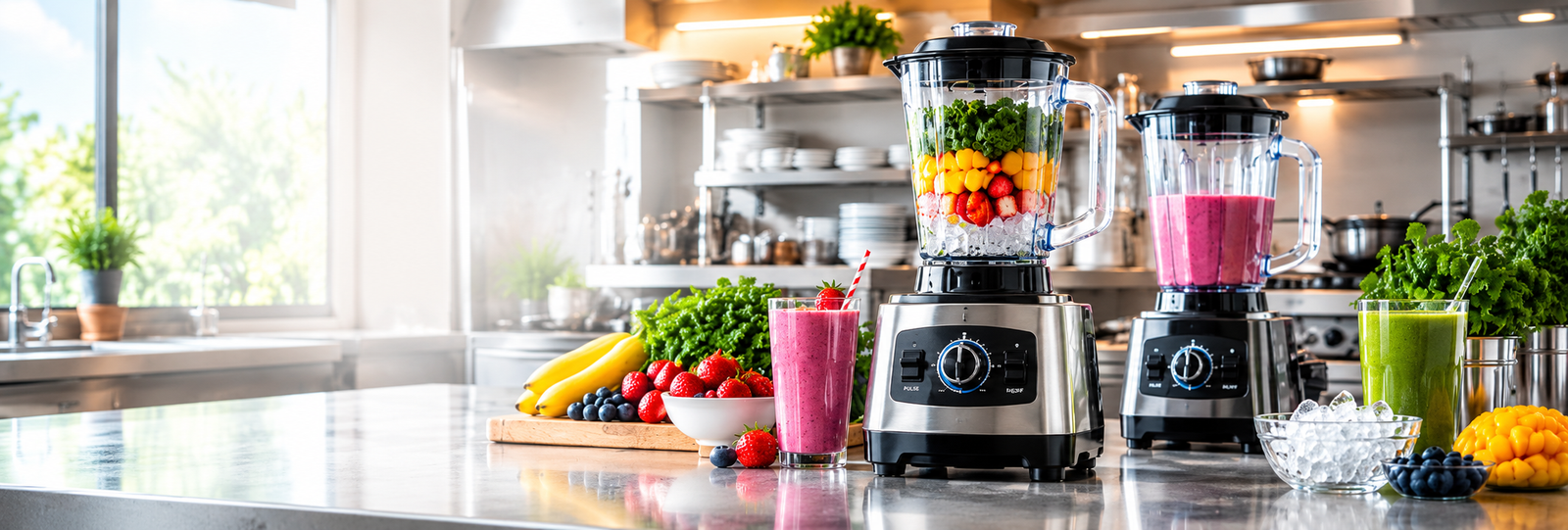
A blender is generally better for liquids, smoothies, soups, and purees. A food processor is often more versatile for chopping, slicing, shredding, and mixing solid ingredients.
If you regularly prepare vegetables, sauces, cheese, and dough, a food processor may provide more flexibility.
How to Choose the Best Food Processor
When comparing different models, start by thinking about how you plan to use the appliance.
A smaller option may be suitable for:
- Single-person households
- Small kitchens
- Quick chopping tasks
A larger model may be better for:
- Family meals
- Meal preparation
- Large recipes
- Dough preparation
- Processing larger quantities of vegetables
The best food processor is not necessarily the biggest or most expensive one. The right choice is the model that fits your cooking habits, kitchen space, and budget.
Tips for Using a Food Processor Effectively
Follow these tips to get better results and make your food processor easier to use. Using the appliance correctly can improve food consistency, reduce preparation time, and help protect the machine from unnecessary strain.
Do Not Overfill the Bowl
Overfilling the bowl can prevent ingredients from being processed evenly and may put extra pressure on the motor. For better results, avoid filling the bowl beyond its recommended capacity. If you are preparing a large amount of food, work in smaller batches.
Cut Large Ingredients First
Large vegetables, fruits, and other ingredients should be cut into smaller, manageable pieces before processing. This allows the blades to work more efficiently and helps create more consistent results. It can also reduce the risk of overloading the appliance.
Use the Correct Attachment
Choose the blade or disc designed specifically for the task you want to perform. Using the correct attachment can improve both the speed and consistency of food preparation. For example, use a slicing disc for vegetables and a shredding disc for cheese or carrots.
Clean It After Every Use
Cleaning the bowl, lid, blades, and attachments soon after use can prevent food particles from drying and becoming difficult to remove. Always unplug the appliance before cleaning and handle sharp blades carefully. Regular cleaning can also help keep your food processor working properly for longer.
Final Thoughts
Choosing the best food processor becomes easier when you focus on the features you will actually use. Consider your household size, the types of meals you prepare, and the amount of available storage space.
A well-chosen food processor can handle a variety of everyday kitchen tasks, from chopping vegetables to shredding cheese and preparing sauces. By comparing capacity, performance, attachments, and ease of cleaning, you can find an option that makes food preparation more efficient.
- All Posts
- Buying Guides
- Commercial Kitchen
- Kitchen Equipment
- Product Reviews
- Tips & Maintenance