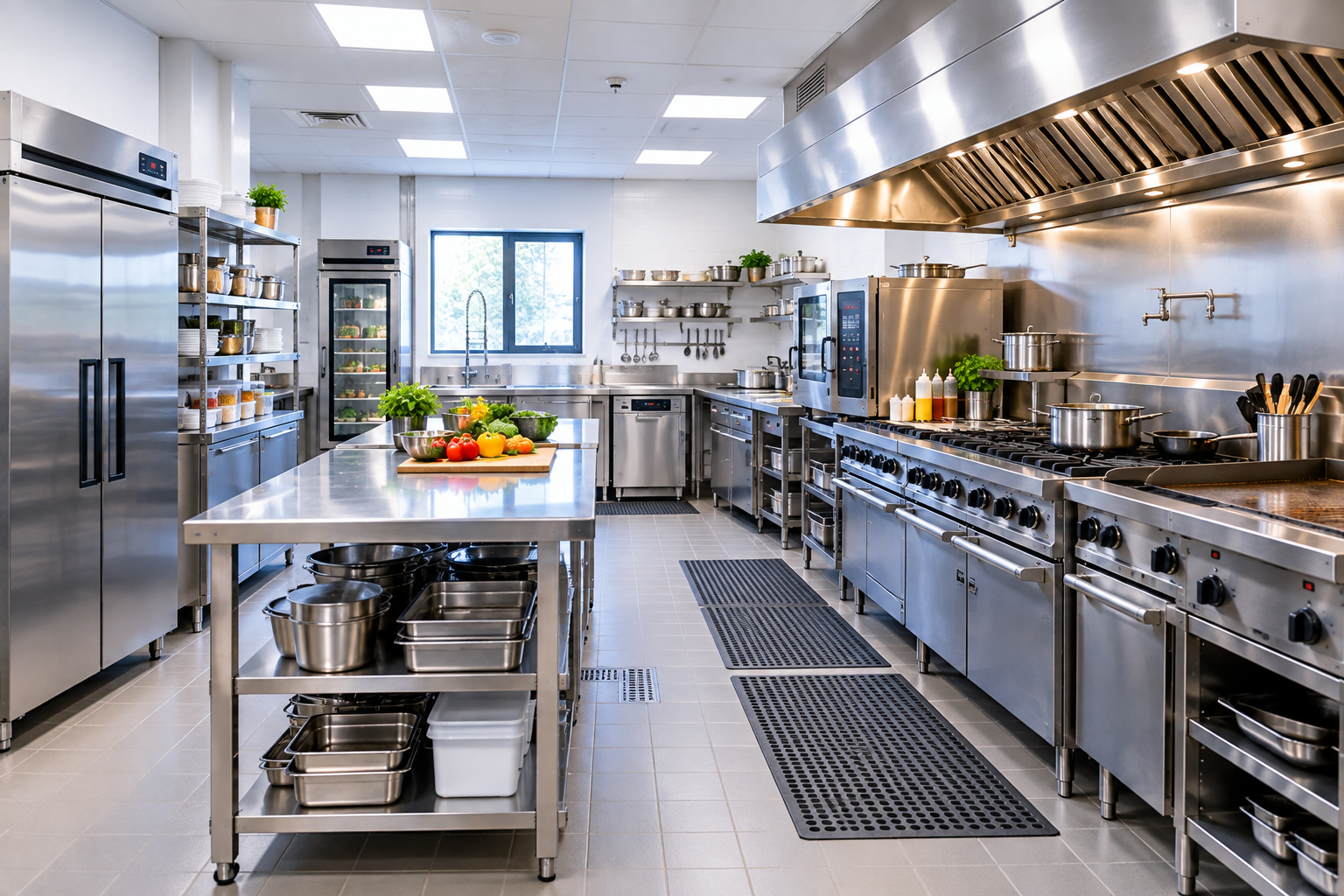
Choosing the right Essential Kitchen Equipment can make cooking easier, faster, and more organized. Whether you are setting up a home kitchen, upgrading an existing space, or preparing a small food business, the right tools help improve efficiency and reduce unnecessary spending.
You do not need every appliance available on the market. Instead, focus on equipment that matches your cooking habits, available space, food preparation needs, and budget.
What Is Essential Kitchen Equipment?
Essential kitchen equipment refers to the basic tools, appliances, and accessories needed for everyday cooking, food preparation, storage, and cleaning.
The exact equipment you need depends on your kitchen and the type of food you prepare. A home cook may need a different setup from a restaurant or catering business.
A practical kitchen should include equipment that is useful, durable, easy to clean, and appropriate for the amount of food you prepare.
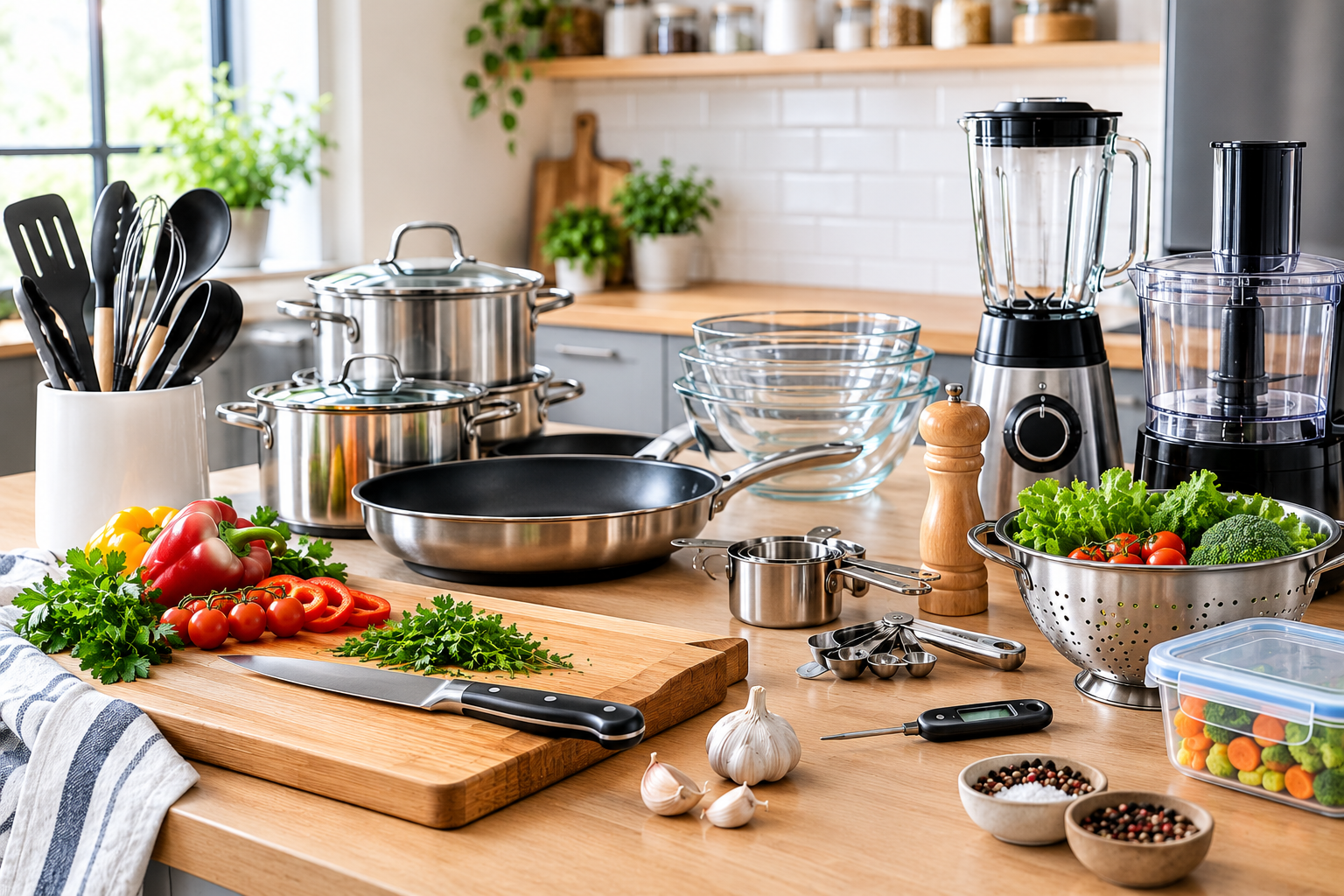
15 Essential Kitchen Equipment Items
1. Chef’s Knife
A quality chef’s knife is one of the most useful tools in any kitchen. It can be used for chopping vegetables, slicing meat, mincing herbs, and preparing many other ingredients.
Choose a knife with a comfortable handle and a durable blade. Keeping it sharp can also make food preparation safer and more efficient.
2. Cutting Board
A cutting board provides a stable and hygienic surface for preparing ingredients. Consider using separate boards for different types of food when appropriate.
Look for a board that is durable, easy to clean, and large enough for your normal preparation tasks.
3. Cookware Set
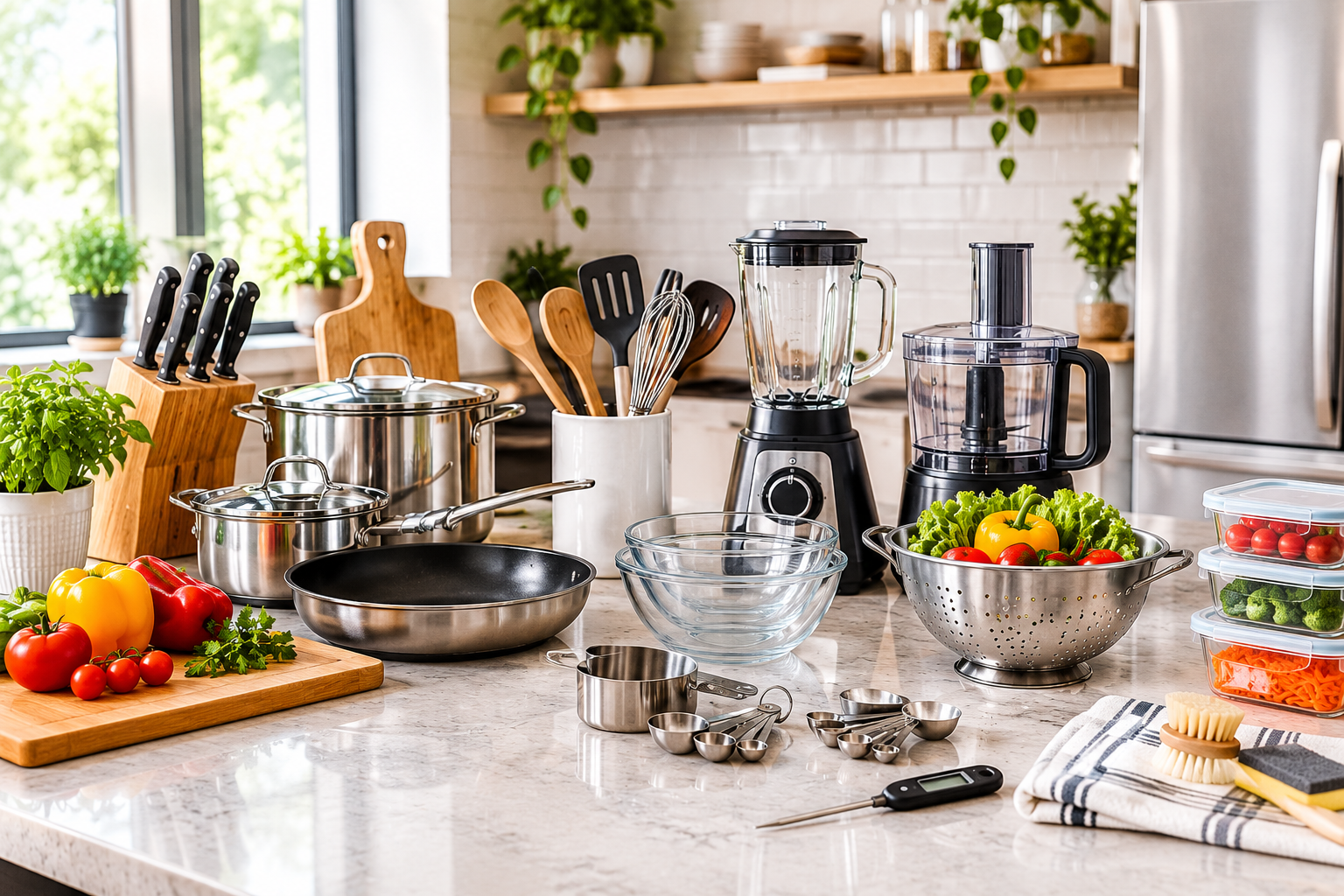
Pots and pans are among the most important pieces of kitchen equipment. A basic cookware collection may include a saucepan, frying pan, stockpot, and sauté pan.
Choose cookware based on your cooking methods and stovetop type. Materials such as stainless steel, cast iron, and coated cookware each have different advantages.
4. Measuring Cups and Spoons
Accurate measurements are important when following recipes. Measuring cups and spoons are especially useful for baking, sauces, marinades, and other recipes that require consistent quantities.
A complete set can help you measure both dry and liquid ingredients more conveniently.
5. Mixing Bowls
Mixing bowls are useful for combining ingredients, preparing sauces, mixing dough, and organizing ingredients before cooking.
A set with several sizes gives you more flexibility and can make food preparation easier.
6. Food Processor
A food processor can save time when chopping, slicing, shredding, or blending certain ingredients. It can be especially useful when preparing large quantities of vegetables or other foods.
Before purchasing one, consider bowl capacity, available attachments, motor power, cleaning requirements, and storage space.
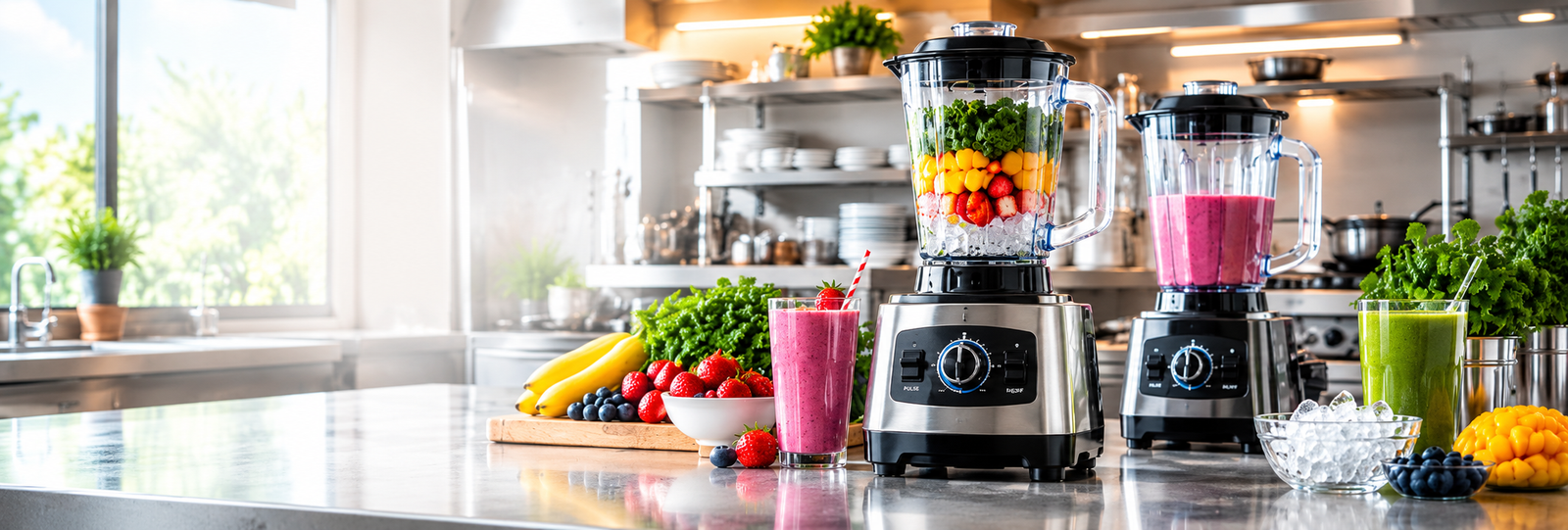
7. Blender
A blender is useful for smoothies, soups, sauces, dressings, and other blended foods. The right model depends on how often you use it and the ingredients you normally process.
For frequent use, look for a durable container, practical controls, and a motor suitable for your intended tasks.
8. Kitchen Tongs
Kitchen tongs provide better control when turning, serving, or handling food. They are useful for cooking meat, vegetables, pasta, and many other ingredients.
Choose tongs with a comfortable grip and a locking mechanism if convenient storage is important.
9. Spatula and Cooking Utensils
A spatula is useful for turning food, scraping bowls, mixing ingredients, and serving cooked dishes.
Other useful utensils may include a wooden spoon, ladle, whisk, slotted spoon, and turner. Select utensils according to the cookware you use to avoid unnecessary scratching or damage.
10. Colander
A colander is a simple but important tool for draining pasta, washing vegetables, rinsing beans, and preparing other ingredients.
Choose a sturdy model with enough capacity for the amount of food you usually prepare.
11. Kitchen Thermometer
A kitchen thermometer helps check food temperatures more accurately than appearance alone. It can be useful when preparing meat, poultry, baked foods, and other temperature-sensitive dishes.
A digital instant-read thermometer is a practical option for many kitchens.
12. Refrigerator
A refrigerator is essential for storing perishable ingredients and prepared foods. When choosing one, consider storage capacity, energy use, organization, and available kitchen space.
For energy-conscious buyers, the ENERGY STAR product directory provides information about certified energy-efficient appliances.
13. Oven or Cooking Range
An oven or cooking range provides the main cooking area for many kitchens. Your choice should depend on cooking style, available space, fuel type, capacity, and frequency of use.
If you cook large meals regularly, consider an oven with enough capacity for your typical dishes.
14. Storage Containers
Good storage containers help keep ingredients and leftovers organized. Airtight containers can also make pantry and refrigerator storage more convenient.
Choose containers that are durable, easy to clean, and suitable for the type of food and storage method you use.
15. Cleaning Tools
Cleaning tools are an important part of Essential Kitchen Equipment because a well-maintained kitchen is easier and safer to use.
Useful items may include dish brushes, sponges, microfiber cloths, cleaning brushes, and appropriate surface cleaners. Select cleaning products according to the surfaces and equipment in your kitchen.
Essential Kitchen Equipment for Different Needs
Not every kitchen requires the same equipment. Your priorities should depend on how you use the space.
For Home Kitchens
Home kitchens usually need versatile equipment that can handle everyday meals. Basic cookware, knives, cutting boards, measuring tools, storage containers, and a few useful appliances can provide a strong foundation.
Avoid buying large appliances simply because they have more features. Choose equipment that you will actually use.
For Small Kitchens
Space is often the biggest concern in a small kitchen. Look for compact or multi-purpose equipment that can perform several tasks.
Stackable cookware, collapsible tools, smaller appliances, and organized storage can help maximize available space.
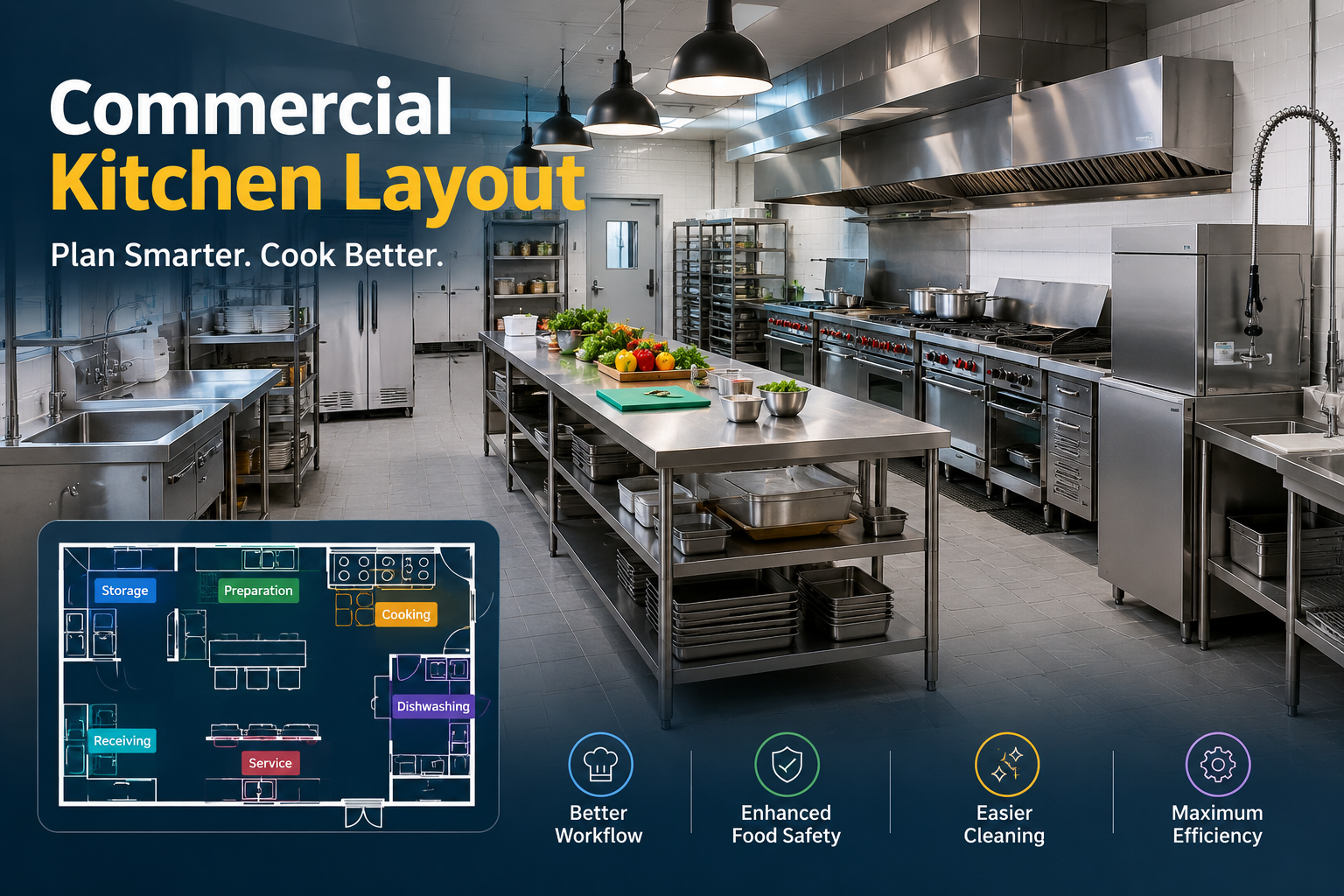
For Commercial Kitchens
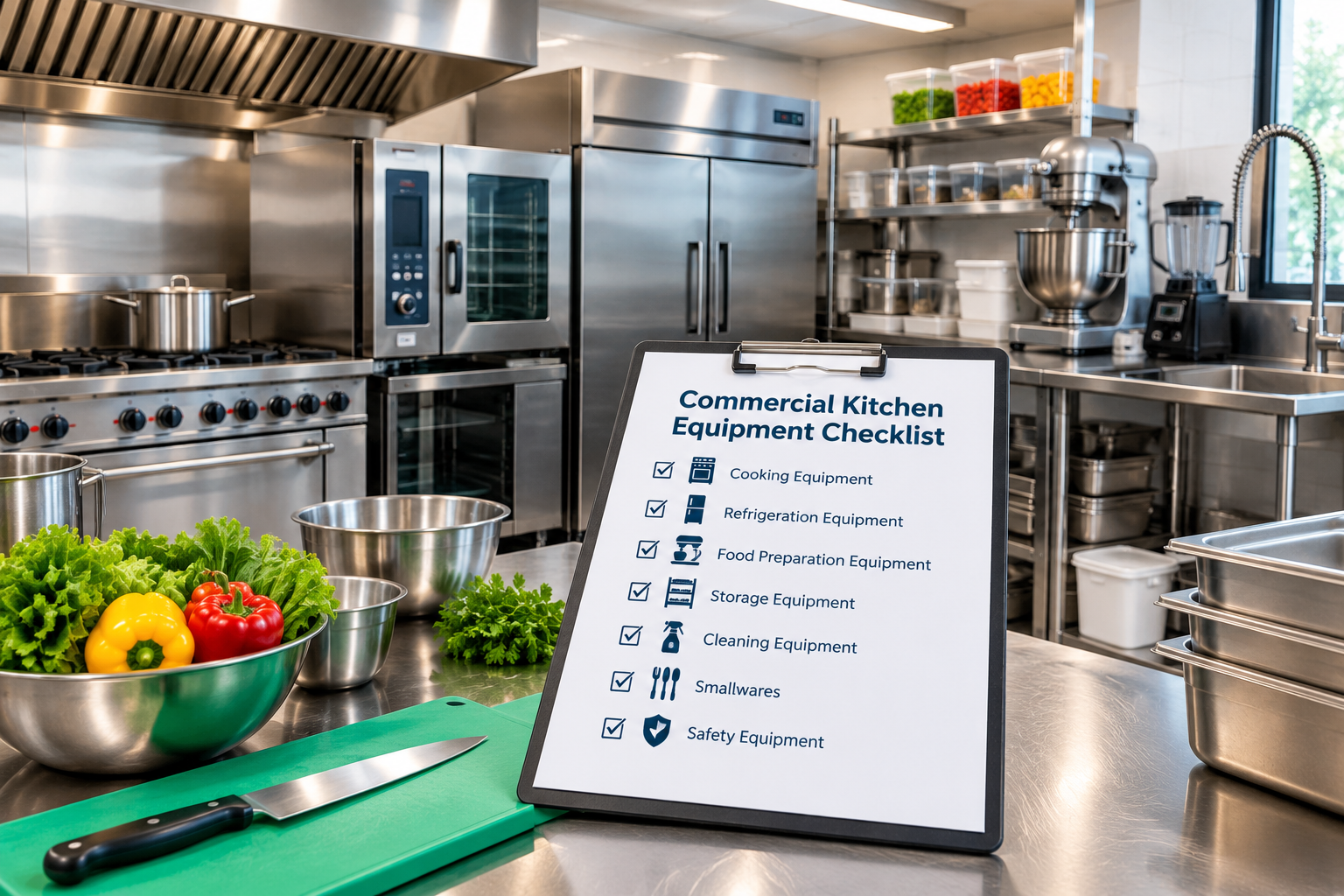
Commercial kitchens require equipment designed for higher workloads and frequent use. Cooking equipment, refrigeration, food preparation tools, storage systems, and cleaning equipment should be selected according to menu requirements and daily volume.
For commercial food equipment, sanitation and construction standards are also important. NSF food equipment certification provides information about standards and certification for commercial foodservice equipment.
How to Choose Essential Kitchen Equipment
Consider Your Cooking Needs
Start by identifying the meals and preparation tasks you perform most often. This helps prevent spending money on equipment that will rarely be used.
For example, someone who frequently prepares fresh vegetables may benefit from food preparation tools, while a home baker may prioritize mixing and baking equipment.
Check Available Space
Measure your countertop, cabinet, and storage areas before purchasing large equipment. Proper measurements can prevent installation problems and make the kitchen easier to use.
For larger appliances, also consider door clearance, ventilation, electrical connections, and access for maintenance.
Focus on Quality and Durability
Cheap equipment can sometimes cost more over time if it needs frequent replacement. Look for materials, construction quality, warranty coverage, and replacement-part availability.
Durability is particularly important for equipment that receives heavy daily use.
Consider Cleaning and Maintenance
Equipment should be easy to clean and maintain. Complicated designs, difficult-to-reach areas, or parts that cannot be cleaned properly can make routine maintenance harder.
Before buying an appliance, check the manufacturer’s cleaning instructions and whether removable parts are dishwasher-safe when appropriate.
Compare Energy Efficiency
Energy-efficient appliances can help reduce operating costs over time. ENERGY STAR provides a searchable database of certified products, including several categories of commercial foodservice equipment.
When comparing appliances, consider both the purchase price and expected operating costs.
Common Mistakes When Buying Kitchen Equipment
Buying Too Much Equipment
A large collection of appliances is not necessarily better. Buying equipment you rarely use can take up valuable space and increase costs.
Start with the tools that support your most common cooking tasks.
Ignoring Kitchen Size
Large equipment can quickly make a small kitchen crowded and difficult to use. Always measure your available countertop, cabinet, and floor space before buying.
Also check door clearance and ventilation requirements for larger appliances. Choosing the right size helps keep your kitchen practical and organized.
Choosing Features You Do Not Need
Advanced features can increase the price and complexity of an appliance. Instead, focus on functions that match your cooking habits and daily needs.
Extra features are useful only when you will actually use them regularly. A simple appliance can often provide better value and easier operation.
Forgetting Maintenance
Every appliance needs regular cleaning and basic maintenance to work properly. Before buying, check the manufacturer’s cleaning and maintenance requirements.
Choose equipment with accessible parts and easy-to-clean surfaces when possible. Proper maintenance can also help extend the equipment’s useful life.
Choosing Price Over Long-Term Value
The lowest purchase price does not always mean the lowest overall cost. Consider durability, energy use, warranty coverage, and maintenance requirements.
A well-built appliance may cost more initially but provide better long-term value. Compare both upfront and ongoing costs before making your final decision.
How to Keep Kitchen Equipment in Good Condition
Regular maintenance can extend equipment life and help maintain performance.
Clean equipment according to the manufacturer’s instructions and remove food residue promptly. Inspect electrical cords, handles, seals, blades, and other components regularly for signs of wear.
For commercial equipment, follow the manufacturer’s recommended maintenance schedule and keep important service records when needed.
Essential Kitchen Equipment Checklist
Use this simple checklist when setting up or upgrading a kitchen:
Chef’s knife
Cutting board
Cookware
Measuring cups and spoons
Mixing bowls
Food processor
Blender
Kitchen tongs
Spatula and cooking utensils
Colander
Kitchen thermometer
Refrigerator
Oven or cooking range
Storage containers
Cleaning tools
You do not necessarily need to purchase everything at once. Start with the equipment that supports your most important cooking tasks and expand your collection as your needs grow.
Final Thoughts
The best Essential Kitchen Equipment is not necessarily the largest or most expensive collection of tools. A practical kitchen should contain equipment that is useful, durable, easy to maintain, and suitable for the available space.
Before buying new equipment, consider your cooking habits, kitchen size, budget, maintenance requirements, and expected frequency of use. Choosing carefully can help create a more efficient kitchen while avoiding unnecessary purchases.
.
- All Posts
- Buying Guides
- Commercial Kitchen
- Kitchen Equipment
- Product Reviews
- Tips & Maintenance