A restaurant grease trap is an essential piece of commercial kitchen equipment that prevents fats, oils, and grease (FOG) from entering drainage systems. It separates grease and solid food particles from wastewater before the water flows into the sewer. As a result, restaurants can reduce pipe blockages, unpleasant odors, and expensive plumbing problems.
Commercial kitchens produce a large amount of greasy wastewater during food preparation and dishwashing. Therefore, installing a properly sized grease trap helps protect the drainage system. Moreover, regular cleaning keeps the equipment working efficiently.
How Does a Restaurant Grease Trap Work?
A grease trap separates grease from wastewater through a simple physical process. Although designs and capacities vary, most systems follow similar operating principles.
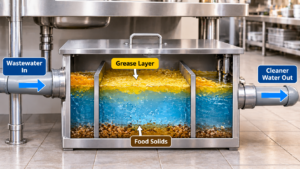
Here is how the process works:
Wastewater enters: Water from connected kitchen sinks and approved fixtures flows into the grease trap.
Food particles settle: Heavier food debris sinks toward the bottom of the unit.
Grease separates: Since fats and oils are lighter than water, they rise to the surface.
Water moves through: Internal baffles slow the flow and help prevent floating grease from escaping.
Filtered water exits: The separated wastewater leaves through the outlet and enters the drainage system.
Consequently, much of the grease remains inside the trap instead of accumulating in sewer pipes. However, the collected waste must be removed regularly to maintain proper performance.
Why Is a Grease Trap Important for Restaurants?
A commercial kitchen needs an effective drainage system to operate smoothly. Without proper grease management, accumulated fats and oils can create several problems.
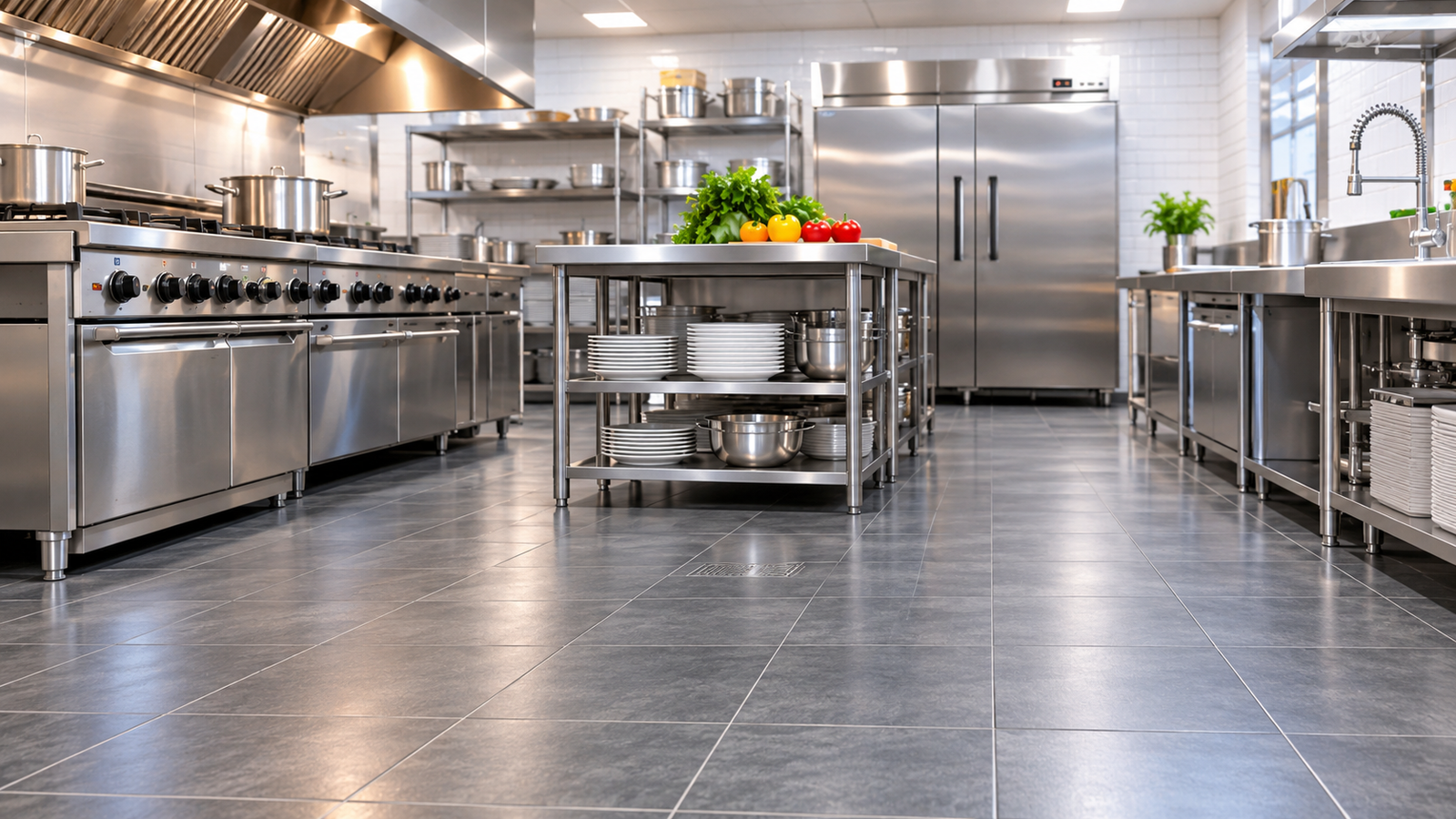
A well-organized kitchen also helps restaurant staff maintain cleanliness and improve daily operations.
1. Prevents Drain Blockages
Grease can stick to the inside of drainage pipes and gradually build up. Over time, this accumulation restricts water flow and may cause serious blockages. Therefore, a properly maintained grease trap helps reduce these risks.
2. Reduces Unpleasant Odors
Trapped food waste and accumulated grease can produce unpleasant smells. Additionally, neglected equipment may attract pests and create an unhygienic working environment. Regular cleaning helps keep the kitchen more comfortable.
3. Protects Plumbing Systems
Grease buildup can affect kitchen drains, underground pipes, and connected sewer lines. As a result, restaurants may face costly repairs or unexpected plumbing interruptions. A suitable grease trap helps protect these systems.
4. Supports Kitchen Hygiene
Clean drainage equipment contributes to a better kitchen environment. Furthermore, proper waste handling helps restaurant staff maintain consistent cleaning practices.
5. Helps Meet Local Requirements
Many local wastewater authorities require food establishments to control fats, oils, and grease. However, specific installation and maintenance rules differ by location. Restaurant owners should check the requirements of their local wastewater authority before installing or modifying a system.
Types of Restaurant Grease Traps
Restaurants can choose from different grease management systems depending on kitchen size, wastewater volume, and available installation space.
1. Under-Sink Grease Trap
An under-sink grease trap is a compact unit installed beneath a commercial kitchen sink. It works well in smaller kitchens with limited space and relatively low grease output.
2. Outdoor Grease Interceptor
Outdoor grease interceptors are larger units commonly installed underground or outside the building. They can handle higher wastewater volumes and are suitable for many busy restaurants.
3. Automatic Grease Removal Unit
An automatic grease removal unit uses mechanical components to separate and remove collected grease. Therefore, it can reduce some manual maintenance tasks. Nevertheless, staff must still inspect and maintain the equipment according to the manufacturer’s instructions.
How to Clean a Restaurant Grease Trap
Regular cleaning is essential because grease and food solids gradually fill the available capacity. Although the cleaning process depends on the equipment design, the following steps provide a general overview.
“Place collected grease and solids in suitable containers and arrange disposal according to local regulations.”
Turn off connected water flow: Stop using connected sinks and fixtures before beginning maintenance.
Open the cover carefully: Follow the manufacturer’s instructions to avoid damaging the lid or seals.
Remove floating grease: Use suitable tools to remove the accumulated grease layer.
Clear food solids: Remove settled debris from the bottom of the unit.
Clean internal components: Inspect and clean removable baskets, baffles, and other accessible parts.
Check for damage: Look for damaged seals, loose fittings, corrosion, or unusual buildup.
Dispose of waste properly: Place collected grease and solids in suitable containers and arrange disposal according to local regulations.
Finally, reassemble the unit securely and check that it operates correctly. For larger interceptors or complex systems, a qualified waste-management contractor should perform the cleaning.
How Often Should a Restaurant Grease Trap Be Cleaned?
Cleaning frequency depends on several factors, including the trap’s capacity, the number of meals served, and the amount of grease entering the drainage system.
For example, a busy restaurant that prepares fried foods may need more frequent servicing than a small café. Additionally, local wastewater regulations may specify minimum cleaning intervals.
Some authorities use the 25% rule as a maintenance guideline. Under this approach, the combined accumulation of floating grease and settled solids should not exceed 25% of the trap’s liquid capacity before cleaning is required.
Therefore, restaurant owners should inspect their equipment regularly instead of relying on a fixed schedule alone. Keeping maintenance records also makes it easier to identify changes in grease accumulation.
Common Restaurant Grease Trap Problems
Even a properly installed system can develop problems without regular inspection. Recognizing early warning signs can help prevent expensive repairs.
Slow drainage: Grease or food debris may be restricting the flow of wastewater.
Bad smells: Accumulated waste can produce unpleasant odors around the kitchen.
Water backup: A full or blocked unit may prevent wastewater from draining properly.
Visible grease buildup: Excessive grease around the outlet may indicate poor separation or overdue maintenance.
Unusual leakage: Damaged covers, seals, or connections may allow wastewater to escape.
If these problems continue after cleaning, arrange an inspection by a qualified professional. In addition, check whether the unit is correctly sized for the kitchen’s wastewater volume.
Tips for Maintaining a Commercial Kitchen Grease Trap
Good daily habits can reduce the amount of grease entering the drainage system. Consequently, restaurants may improve equipment performance and reduce unnecessary maintenance costs.
Scrape leftover food into waste bins before washing dishes.
Wipe excess cooking oil from pans before placing them in sinks.
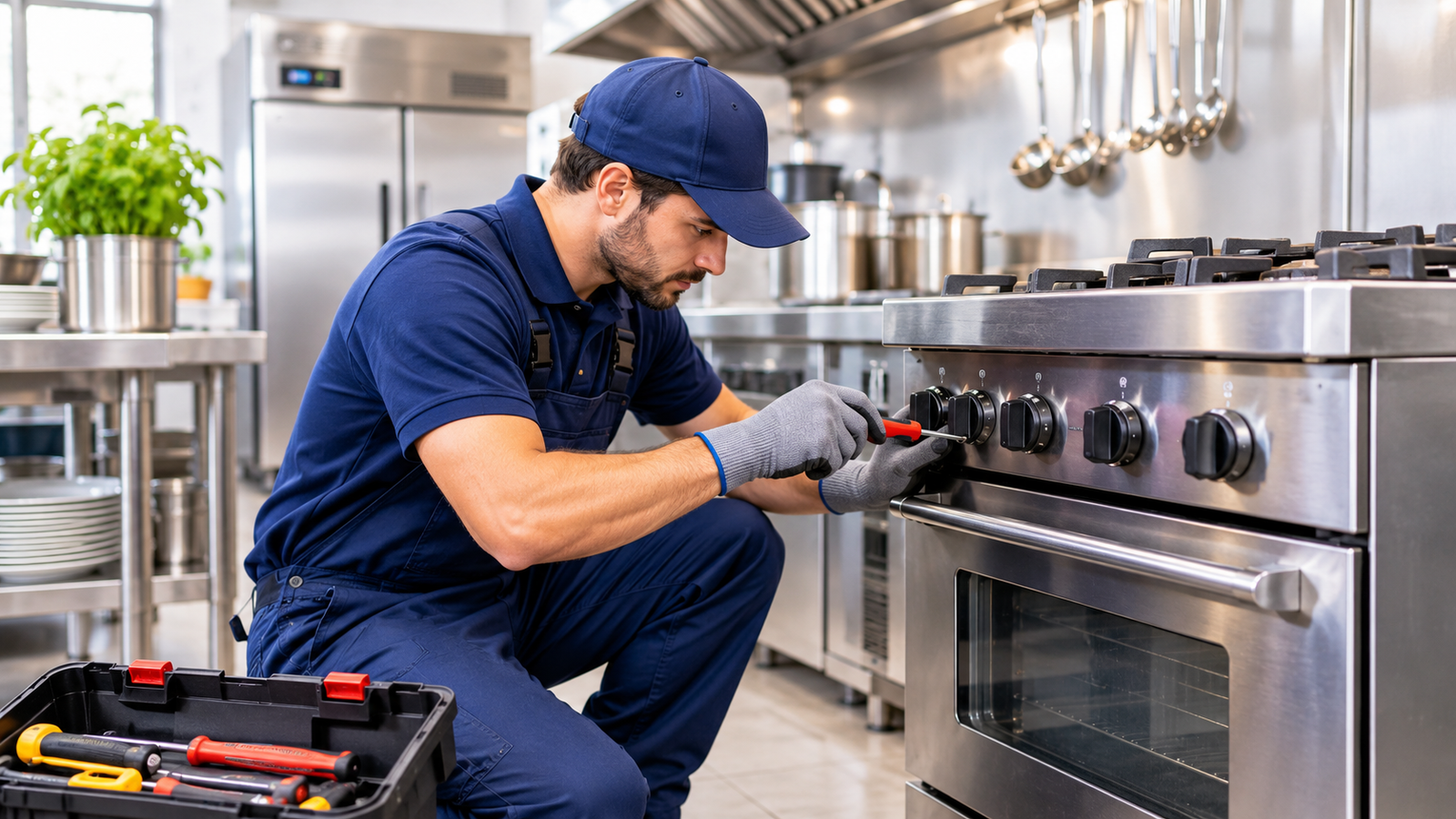
Install sink strainers to catch food particles. Proper cleaning practices also help maintain other appliances and surfaces in a commercial kitchen.
Never pour used cooking oil directly into drains.
Inspect the grease trap regularly for excessive buildup.
Schedule professional cleaning when necessary.
Keep maintenance and waste disposal records.
Moreover, train kitchen employees to follow these practices consistently. Small daily actions can make a significant difference in long-term drainage performance.
Choosing the Right Restaurant Grease Trap
Selecting suitable equipment requires more than comparing prices. Restaurant owners should consider the following factors before purchasing a system.
Choosing the right commercial kitchen equipment is essential for maintaining an efficient restaurant operation.
Kitchen capacity: Estimate the wastewater volume generated during busy operating hours.
Grease production: Consider the menu and cooking methods used in the restaurant.
Available space: Determine whether an under-sink or outdoor installation is more practical.
Cleaning access: Choose a location that allows safe inspection and maintenance.
Equipment quality: Look for durable construction and reliable internal components.
Local regulations: Confirm the required capacity, installation standards, and maintenance rules.
Most importantly, consult a qualified plumber or grease management specialist before choosing the final unit. Proper sizing and installation can improve separation performance and reduce future problems.
Final Thoughts
A restaurant grease trap plays an important role in maintaining a reliable commercial kitchen drainage system. It captures fats, oils, and food solids before they enter connected sewer lines. However, installation alone is not enough to ensure effective performance.
Regular inspections, proper cleaning, and responsible waste disposal help prevent blockages and unpleasant odors. Ultimately, choosing the right equipment and following a consistent maintenance schedule can support a cleaner, safer, and more efficient restaurant kitchen.
- All Posts
- Buying Guides
- Commercial Kitchen
- Kitchen Equipment
- Product Reviews
- Tips & Maintenance