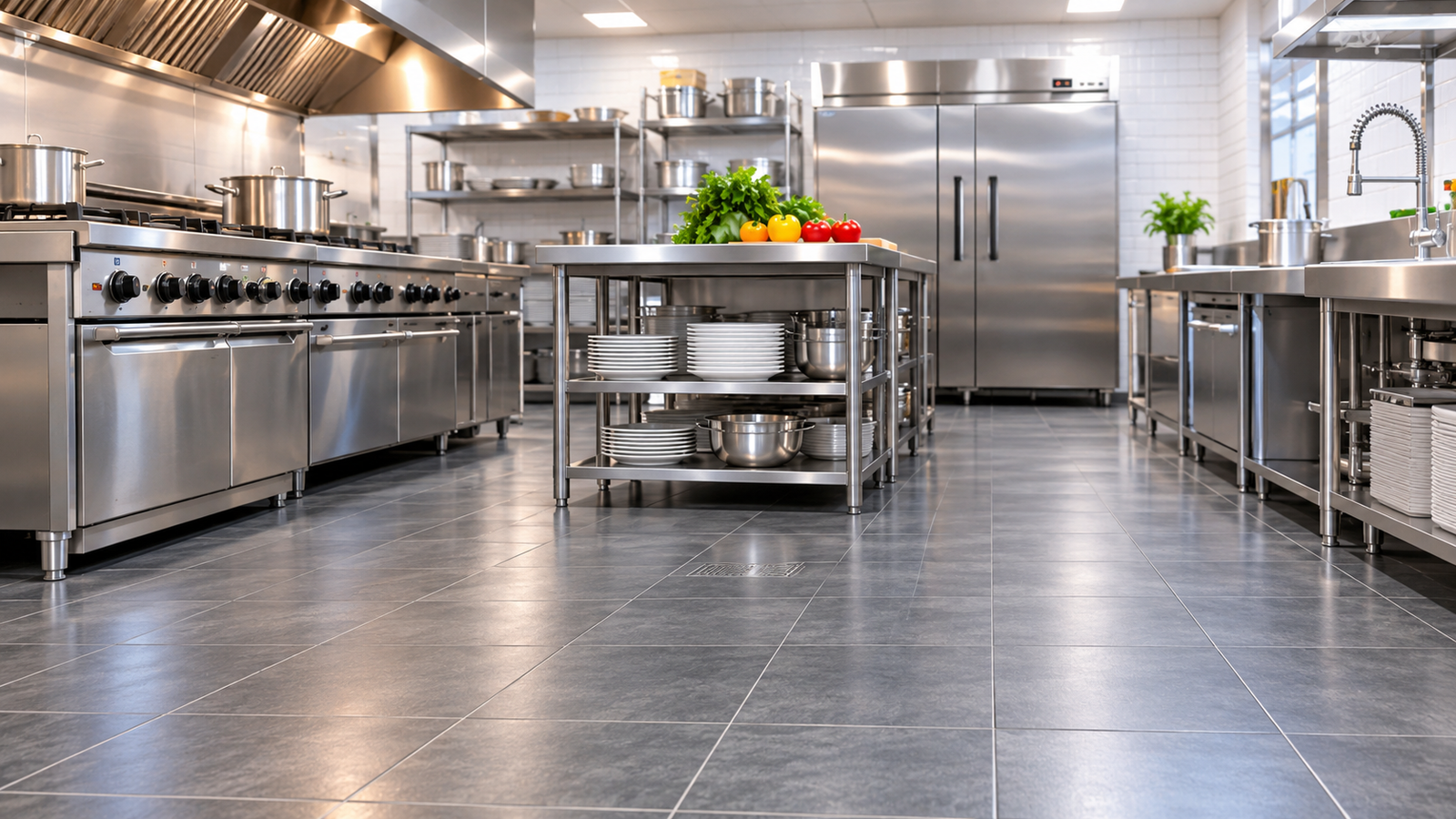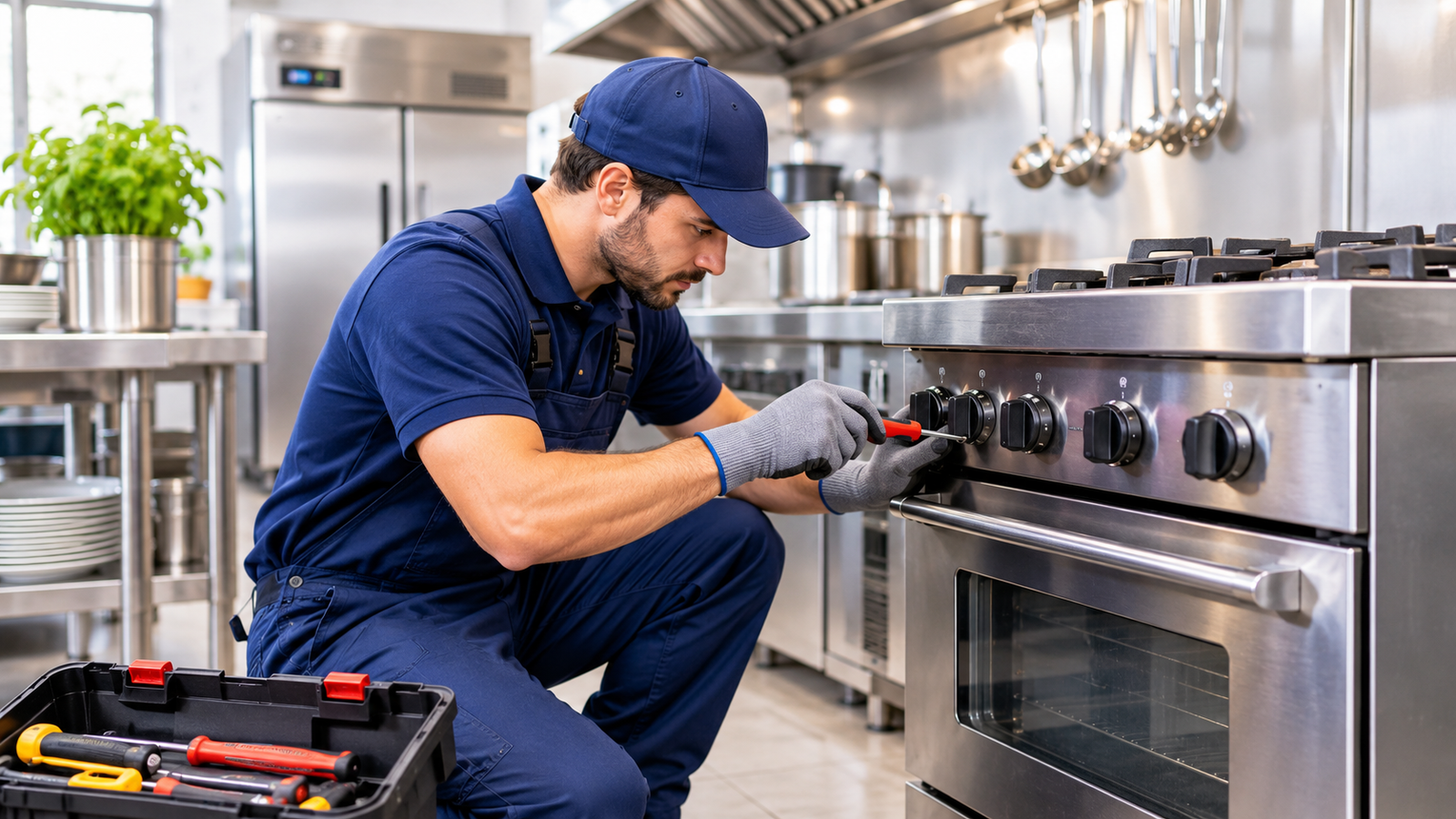
Commercial kitchen equipment repair is essential for keeping restaurant appliances safe, reliable, and efficient. From commercial refrigerators and ovens to dishwashers and deep fryers, every appliance plays an important role in daily kitchen operations. However, unexpected equipment problems can interrupt food preparation, delay orders, and increase operating costs. Therefore, restaurant owners should understand common equipment issues, basic maintenance practices, and when to contact a professional repair technician.
Why Commercial Kitchen Equipment Repair Is Important
Restaurant equipment works for long hours and often handles heavy workloads. Over time, regular use can cause worn components, electrical faults, leaks, and performance problems.
Timely repairs help restaurants avoid unexpected breakdowns and maintain a smooth workflow. Additionally, properly functioning appliances can reduce unnecessary energy consumption and help protect food quality.
Restaurants should also understand how to select the right appliances before investing in new equipment. Read our complete guide to Cotmmercial Kitchen Equipmen to learn more about choosing suitable equipment.
Here are some important benefits:
Reduced downtime: Quick repairs help kitchens continue their daily operations.
Lower operating costs: Fixing minor problems early may prevent expensive equipment damage.
Improved food safety: Properly working refrigerators and other appliances help maintain suitable food storage conditions.
Longer equipment lifespan: Regular servicing can reduce unnecessary wear and tear.
Better kitchen productivity: Reliable appliances allow employees to complete tasks more efficiently.
Common Commercial Kitchen Equipment Problems
Restaurant appliances can develop different problems depending on their age, condition, and usage. Recognizing early warning signs makes it easier to arrange appropriate repairs.

1. Commercial Refrigerator Not Cooling Properly
A commercial refrigerator must maintain the required temperature to protect perishable food. However, dirty condenser coils, damaged door gaskets, blocked airflow, or refrigeration system faults can affect cooling performance.
If the refrigerator is not cooling properly, check that its doors close securely and that air vents are not blocked. Also, monitor the temperature regularly. Contact a qualified refrigeration technician if the problem continues.
2. Commercial Oven Heating Problems
Commercial ovens may experience uneven heating, faulty thermostats, damaged heating elements, or ignition problems.
As a result, food may cook unevenly or take longer than expected. Therefore, restaurant staff should report unusual temperature changes and avoid using an oven that appears unsafe.
3. Commercial Dishwasher Not Cleaning Properly
A commercial dishwasher may leave food residue on dishes because of blocked spray arms, clogged filters, incorrect water pressure, or malfunctioning components.
First, inspect the removable filters and spray arms according to the manufacturer’s instructions. Additionally, check for visible leaks and unusual operating sounds. Persistent problems should be handled by a trained technician.
4. Deep Fryer Temperature Issues
Deep fryers need accurate temperature control for consistent cooking results. A faulty thermostat, damaged heating element, or electrical problem may prevent the oil from reaching the correct temperature.
Consequently, food quality can suffer and cooking times may increase. Professional inspection is recommended when temperature problems continue.
5. Commercial Ice Machine Malfunctions
Commercial ice machines may produce less ice than usual because of mineral buildup, water supply problems, clogged filters, or damaged components.
Regular cleaning and inspection can help identify these issues early. However, electrical faults and internal mechanical problems require professional attention.
When Should You Call a Professional Repair Technician?
Not every equipment problem requires a professional. Nevertheless, certain warning signs indicate that expert assistance is necessary.
Contact a qualified technician when you notice:
Burning smells or unusual electrical sounds.
Repeated circuit breaker trips.
Water or gas leaks.
Unusual vibrations or loud mechanical noises.
Equipment that repeatedly stops working.
Refrigerators that cannot maintain safe food temperatures.
Ovens or fryers with persistent heating problems.
Most importantly, never attempt electrical, gas, or refrigeration system repairs without the appropriate training and qualifications. If an appliance appears unsafe, stop using it and arrange a professional inspection.
Essential Commercial Kitchen Equipment Repair and Maintenance Tips
A regular maintenance routine helps restaurant owners identify problems before they become serious. Moreover, proper equipment care can support efficient kitchen operations.
1. Inspect Equipment Regularly
Check appliances for loose connections, damaged parts, leaks, and unusual sounds. In addition, maintain an inspection schedule so employees can report problems before equipment fails.
2. Clean Appliances According to Manufacturer Instructions
Grease, food residue, and mineral deposits can affect appliance performance. Therefore, clean ovens, fryers, refrigerators, dishwashers, and ice machines according to their manufacturers’ instructions.
3. Check Refrigerator Coils and Door Seals
Dirty condenser coils can reduce cooling efficiency. Similarly, damaged door gaskets may allow cold air to escape.
Inspect these components regularly and arrange professional servicing when necessary.
4. Keep Maintenance Records
Record inspection dates, repairs, replaced parts, and recurring problems. As a result, restaurant managers can identify frequently failing appliances and plan future maintenance expenses.
5. Schedule Professional Servicing
Some equipment problems are difficult to identify without specialized tools and technical knowledge. For this reason, arrange professional inspections based on equipment requirements and manufacturer recommendations.
How to Choose a Commercial Kitchen Equipment Repair Service
Choosing the right repair service is important because poor repairs can create additional expenses and safety risks.
Before hiring a technician, consider the following factors:
Experience: Look for technicians familiar with commercial restaurant appliances.
Technical qualifications: Check whether they have appropriate training and certifications.
Equipment knowledge: Make sure they can service your specific appliance brands and models.
Repair estimates: Request a clear explanation of labor charges, parts, and other costs.
Availability: Ask whether emergency repair services are available.
Warranty: Check whether the repair service provides a warranty on replacement parts or completed work.
Additionally, read customer reviews and compare service providers before making a decision. A reliable technician should explain the problem and recommend a suitable repair solution.
Repair or Replace: Which Option Is Better?
Restaurant owners sometimes struggle to decide whether an appliance should be repaired or replaced. The right choice depends on the equipment’s age, condition, repair cost, and overall performance.
Repairing equipment may be a practical option when the problem is minor and replacement parts are available. However, repeated breakdowns can make continued repairs expensive.
Consider replacing an appliance when:
Repair costs are close to the price of replacement.
Major components repeatedly fail.
The appliance no longer meets kitchen production needs.
Replacement parts are difficult to find.
The equipment consumes excessive energy or water.
Before making a final decision, compare the estimated repair cost with the long-term operating cost of a replacement appliance.
How Regular Maintenance Reduces Repair Costs
Preventive maintenance is one of the most effective ways to reduce unexpected equipment problems. Instead of waiting for an appliance to stop working, restaurant managers can arrange routine inspections and cleaning.
For example, cleaning refrigerator coils, checking door seals, removing mineral buildup, and inspecting dishwasher connections can help maintain equipment performance.
The U.S. Department of Energy recommends routine inspection, maintenance, and repair for commercial kitchen equipment. Its guidelines also highlight checking for leaks, damaged components, and mineral buildup.
Read the Department of Energy’s commercial kitchen equipment maintenance guidelines for additional information.
Furthermore, food-contact equipment should be cleaned properly to support safe food handling. Restaurant operators can consult the FDA Food Code for food safety guidance.
Final Thoughts
Commercial kitchen equipment repair plays an important role in maintaining a productive and reliable restaurant environment. Regular inspections, proper cleaning, and timely professional servicing can help prevent unexpected breakdowns and reduce operating expenses.
However, restaurant owners should not ignore warning signs such as unusual noises, leaks, overheating, or poor appliance performance. By following a preventive maintenance plan and choosing qualified technicians, restaurants can keep their equipment in better working condition and support smoother daily operations.
- All Posts
- Buying Guides
- Commercial Kitchen
- Kitchen Equipment
- Product Reviews
- Tips & Maintenance