Choosing the best pots and pans for induction cooktop use can make everyday cooking easier, faster, and more efficient. However, not every cookware set works with an induction stove. These cooktops require magnetic cookware to generate heat properly. Therefore, you should understand the materials, construction, and features before buying a new set. The right cookware can also improve cooking results and last for many years.
What Makes the Best Pots and Pans for Induction Cooktop?
Induction cooktops use electromagnetic energy to heat compatible cookware directly. Unlike traditional electric or gas stoves, they need pots and pans with magnetic bases.
For this reason, cookware compatibility matters more than appearance. A beautiful pan may not work if its bottom lacks magnetic material.
When shopping, look for these important features:
A magnetic base that works with induction technology.
A flat bottom for stable contact with the cooking surface.
Durable construction for regular cooking.
Comfortable handles for safe handling.
A suitable size for your induction cooking zones.
Easy-to-clean surfaces for everyday convenience.
Moreover, a well-constructed pan distributes heat more consistently across its cooking surface.
Best Materials for Induction Cookware

The material plays an important role in cookware performance. Some metals work naturally with induction technology, while others need a special magnetic base.
1. Stainless Steel Cookware
Stainless steel offers an excellent combination of durability, versatility, and easy maintenance. Many induction-compatible stainless steel pots and pans feature a magnetic stainless steel base.
This material works well for boiling, frying, sautéing, and preparing everyday meals. Additionally, quality stainless steel cookware resists rust and staining.
However, not every stainless steel pan works with induction. Always check the manufacturer’s compatibility information before purchasing.
2. Cast Iron Cookware
Cast iron is another excellent choice for induction cooking. Its magnetic properties allow it to work with compatible induction cooktops.
This cookware retains heat for a long time. As a result, it works particularly well for searing meat, frying, and slow cooking.
Nevertheless, cast iron pans can feel heavy. Their rough surfaces may also scratch glass cooktops if you slide them across the surface. Therefore, lift them carefully when moving them.
3. Enameled Cast Iron Cookware
Enameled cast iron combines the heat-retention benefits of cast iron with a smooth protective coating.
It works well for soups, stews, braised dishes, and slow-cooked recipes. Furthermore, the enamel coating makes cleaning easier than traditional bare cast iron.
Before buying, confirm that the cookware has a magnetic base suitable for induction use.
4. Induction-Compatible Aluminum Cookware
Regular aluminum cookware does not work directly on induction cooktops because aluminum is not magnetic.
However, some manufacturers add a magnetic stainless steel layer to the bottom. This design allows aluminum cookware to work with induction technology while maintaining its lightweight construction.
Consequently, these pans can offer a practical balance between easy handling and cooking performance.
Important Features to Consider Before Buying
Material alone does not determine cookware quality. You should also compare several practical features before selecting a set.
Flat and Thick Bottom
A flat base helps cookware maintain proper contact with the induction cooking zone. It also supports consistent heat transfer.
In contrast, warped or uneven bottoms can reduce cooking efficiency. Choose a pan with a sturdy, smooth base for better performance.
Comfortable Handles
Handles should provide a secure and comfortable grip. Stainless steel handles offer durability, while some cookware sets feature heat-resistant handles for easier handling.
Additionally, check whether the handles feel stable and fit comfortably in your hand.
Proper Cookware Size
Choose pots and pans that match the cooking zones on your induction cooktop. A very small pan may not activate a larger cooking zone properly.
Therefore, check the base diameter rather than relying only on the top diameter listed on the packaging.
Lids and Overall Construction
Well-fitting lids help retain heat and moisture during cooking. Tempered glass lids also allow you to monitor food without removing the cover.
Furthermore, sturdy construction can improve durability and support regular kitchen use.
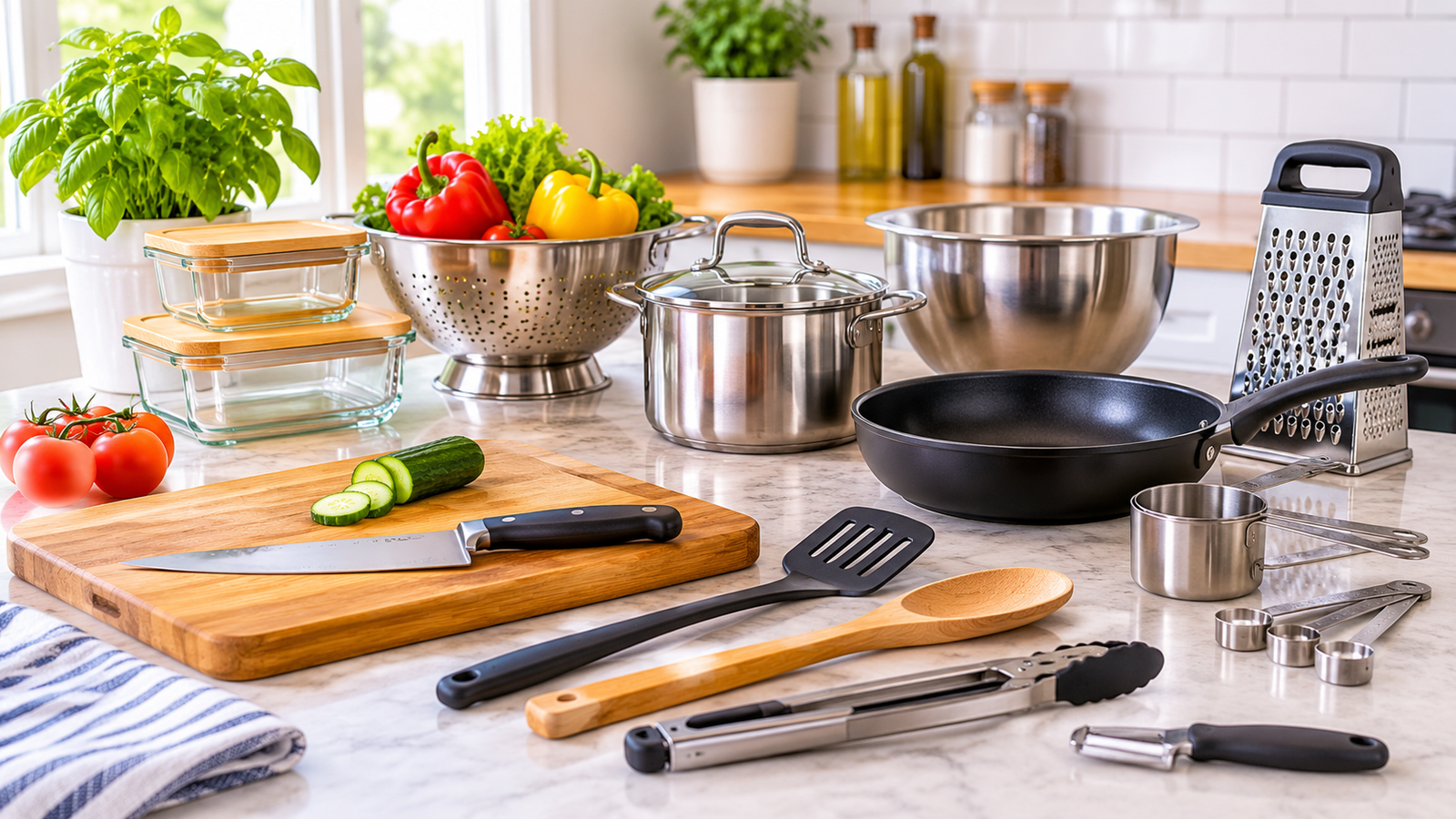
Types of Pots and Pans Every Kitchen Needs
A useful cookware collection does not need dozens of pieces. Instead, choose a few versatile options that cover your regular cooking needs.
Here are some practical choices:
Frying Pan: Ideal for eggs, pancakes, vegetables, and everyday frying.
Saucepan: Useful for boiling water, preparing sauces, and cooking small portions.
Stockpot: Suitable for soups, pasta, broth, and larger meals.
Sauté Pan: Offers more depth for vegetables, meat, and one-pan recipes.
Dutch Oven: Excellent for slow cooking, stews, and braised dishes.
For most households, a combination of these pieces provides enough flexibility for everyday meal preparation.
If you are exploring more kitchen equipment options, check out our kitchen equipment buying guides for additional information.
How to Check Whether Your Cookware Works on Induction
You can test induction compatibility at home with a simple magnet.
Follow these steps:
Take a small refrigerator magnet.
Place it against the bottom of the pot or pan.
Check whether the magnet sticks firmly.
Inspect the base for an induction-compatible symbol.
Review the manufacturer’s product specifications.
If the magnet sticks firmly, the cookware is generally suitable for induction cooking. However, some cookware has only a small magnetic section, which may affect performance.
For this reason, check the entire base whenever possible. You can also consult your cooktop manual for compatible cookware sizes and materials.
How to Maintain Induction Cookware
Proper maintenance helps preserve cookware quality and protects your induction cooktop.
Follow these simple practices:
Allow hot cookware to cool before washing it.
Use suitable cleaning products for each material.
Avoid dragging heavy pans across the glass surface.
Remove food residue after every cooking session.
Dry stainless steel cookware properly after washing.
Follow the manufacturer’s instructions for nonstick surfaces.
Additionally, avoid sudden temperature changes that may damage certain cookware materials. Always use suitable utensils to protect coated cooking surfaces.
Common Mistakes to Avoid When Buying Induction Cookware
Some buyers focus only on price or appearance. However, these factors do not guarantee compatibility or long-term performance.
Avoid these common mistakes:
Buying non-magnetic cookware: Regular aluminum, glass, and copper cookware may not work without a magnetic base.
Ignoring the bottom construction: A thin or uneven base can affect heating performance.
Choosing the wrong size: Cookware that does not match the cooking zone may reduce efficiency.
Overlooking handle quality: Loose or uncomfortable handles can make cooking difficult.
Purchasing unnecessary pieces: A large cookware set may contain items you rarely use. Instead, select pieces that match your cooking habits.
Final Thoughts
Choosing the best pots and pans for induction cooktop use requires attention to compatibility, material, construction, and size. Stainless steel, cast iron, and enameled steel are popular options for induction cooking.
However, the best choice depends on your cooking habits and budget. Check the magnetic base before purchasing, compare important features, and select cookware that matches your induction cooktop. With the right set, you can enjoy convenient everyday cooking and reliable performance.
- All Posts
- Buying Guides
- Commercial Kitchen
- Kitchen Equipment
- Product Reviews
- Tips & Maintenance