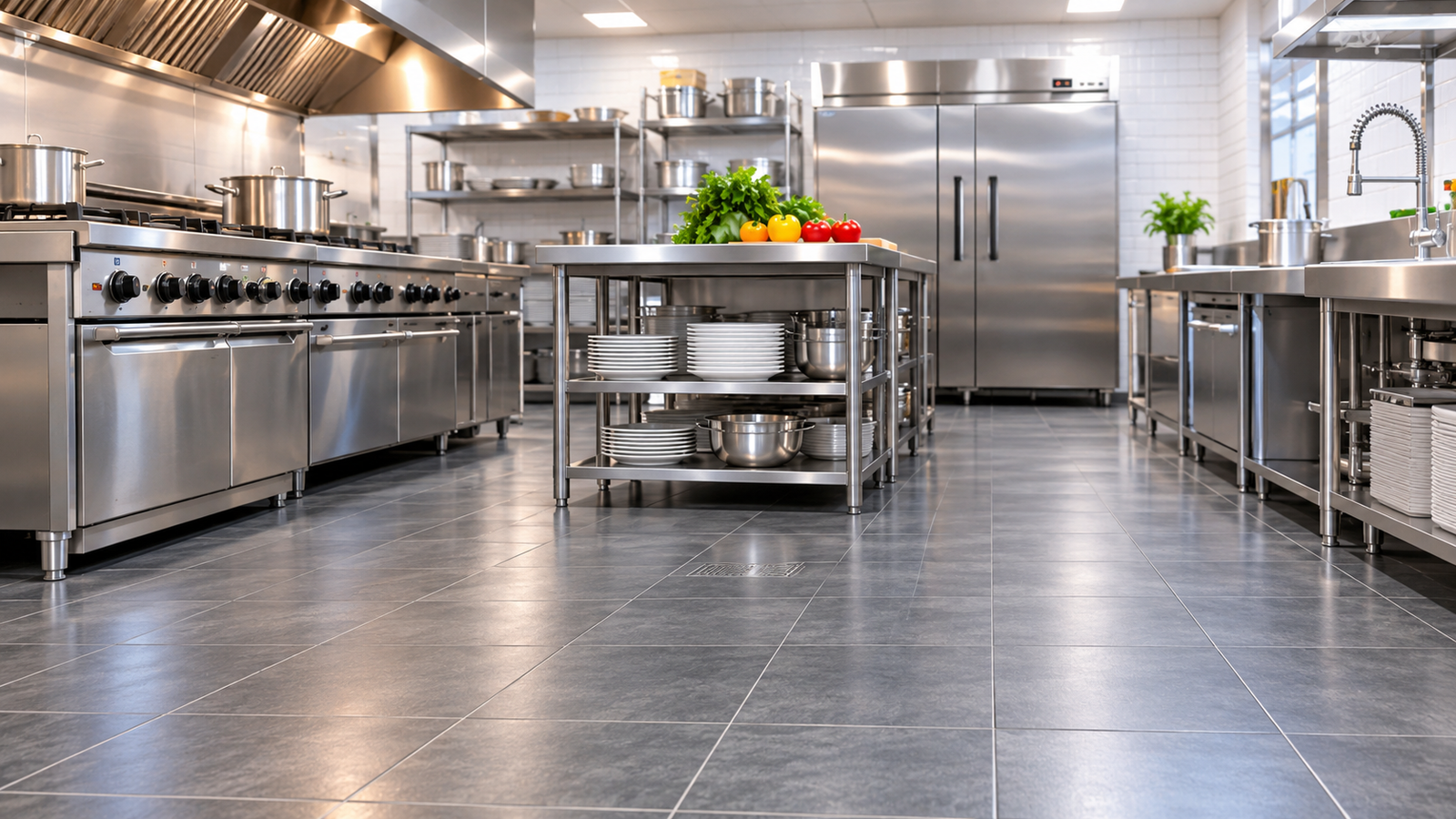
Used Commercial Kitchen Equipment can help restaurant owners reduce startup costs while building a functional and efficient kitchen. Buying secondhand appliances may be a practical option for new restaurants, cafés, catering businesses, and foodservice operations with limited budgets. However, the equipment’s condition, performance, and maintenance history should be checked carefully before making a purchase.
A lower purchase price does not always mean better value. Understanding what to inspect, which questions to ask, and how to compare total costs can help you make a more informed decision.
Why Buy Used Commercial Kitchen Equipment?
Buying previously owned appliances can reduce the initial investment required to open or upgrade a commercial kitchen. Restaurants may find used refrigerators, ovens, stainless steel worktables, food processors, and other essential appliances at lower prices than comparable new models.
Another advantage is the opportunity to purchase higher-capacity equipment within a limited budget. However, savings depend on the appliance’s age, condition, energy consumption, and expected repair costs. Always compare the overall value rather than choosing equipment based on price alone.
Types of Used Restaurant Equipment to Consider
Different kitchens require different appliances depending on the menu, production volume, and available space. Identify your essential equipment before contacting sellers so you can focus on items that support your daily operations.
Commercial Refrigerators and Freezers
Refrigeration equipment is essential for storing ingredients and maintaining appropriate temperatures. Inspect door seals, interior surfaces, fans, temperature controls, and visible signs of corrosion. Ask the seller to demonstrate that the unit maintains the required temperature during operation.
Commercial Ovens and Cooking Equipment
Ranges, ovens, griddles, and fryers can be expensive when purchased new. Check burners, heating elements, thermostats, control panels, and safety features. Ask about previous repairs and test the appliance, where possible, before agreeing to buy it.
Food Preparation Equipment
Mixers, slicers, food processors, and commercial blenders can improve preparation speed. Inspect moving parts, blades, guards, switches, and power connections. Avoid machines with damaged food-contact surfaces, missing safety components, or unusual operating noises.
Stainless Steel Tables and Storage Units
Worktables, shelving, and storage cabinets may offer good value when their structures remain stable and easy to clean. Look for deep rust, sharp edges, loose joints, damaged surfaces, and areas that may trap food debris.
How to Inspect Used Commercial Kitchen Equipment Before Buying
A thorough inspection can help you identify hidden problems before spending money. If you are unfamiliar with commercial appliances, consider asking a qualified technician to examine expensive or technically complex equipment.

1. Check the Overall Condition
Examine the appliance for dents, corrosion, cracks, missing parts, and signs of poor maintenance. Pay particular attention to seams, joints, handles, door hinges, and areas exposed to moisture or grease.
Cosmetic wear may not affect performance, but structural damage or deteriorated food-contact surfaces can create safety and cleaning concerns. Ask for close-up photographs if you cannot inspect the equipment in person.
2. Test Its Performance
Whenever possible, operate the appliance under normal working conditions. Check whether refrigerators cool properly, ovens heat consistently, and food processors run without excessive vibration or unusual sounds.
Do not rely solely on a seller’s statement that an appliance works. Request a demonstration and document any problems before completing the transaction.
3. Review Maintenance and Repair History
Ask how long the equipment has been used, why it is being sold, and whether major components have been replaced. Maintenance records, service invoices, and available manuals can help you understand its condition.
If records are unavailable, arrange an independent inspection for expensive equipment. A technician may identify worn components or repair needs that are difficult to notice during a brief demonstration.
4. Verify the Model and Parts Availability
Record the manufacturer’s name, model number, serial number, and approximate manufacturing date. Use these details to check whether replacement parts, manuals, and qualified repair services are available.
Older appliances may be difficult or expensive to maintain if essential components have been discontinued. Confirming parts availability before buying can prevent avoidable downtime later.
How to Calculate the True Cost of Used Equipment
The purchase price is only one part of the total investment. Delivery, installation, repairs, cleaning, replacement parts, and utility consumption may increase the final cost.
Use this simple comparison when evaluating different appliances:
| Cost factor | What to check |
|---|---|
| Purchase price | Agreed price and included accessories |
| Transportation | Delivery charges and loading costs |
| Installation | Electrical, plumbing, ventilation, or gas requirements |
| Repairs | Immediate servicing and replacement parts |
| Operating costs | Energy or water consumption |
| Warranty | Coverage, exclusions, and service conditions |
For example, a cheaper refrigerator may require immediate repairs and consume more electricity than a better-maintained alternative. Compare the estimated total cost over the period you expect to use the appliance before making your final decision.
Check Food Safety and Equipment Standards
Commercial kitchen appliances must be suitable for their intended use and comply with applicable local requirements. Before buying, check that food-contact surfaces are cleanable, structural components are intact, and the appliance can be maintained according to the manufacturer’s instructions.
Where relevant, verify applicable sanitation certification and equipment standards. The NSF Food Equipment Standards page explains standards covering different categories of commercial foodservice equipment.
Requirements vary by location and equipment type. Consult the relevant local food safety authority and qualified professionals to confirm that the appliance is acceptable for your business.
Where to Buy Secondhand Commercial Kitchen Appliances
Potential sources include restaurant equipment dealers, commercial kitchen auctions, restaurant closures, and reputable online marketplaces. Each source may offer different prices, inspection opportunities, delivery arrangements, and warranty terms.
Established dealers may provide testing, servicing, or limited warranties, while private sellers may offer lower prices without the same protections. Compare several options and request written details about the equipment’s condition before paying.
Ask whether the seller accepts returns, provides delivery, or offers assistance with installation. Keep transaction records and verify ownership before purchasing expensive appliances.
Common Mistakes to Avoid When Buying Used Equipment
Choosing the Lowest Price
An unusually low price may reflect serious damage, missing components, or expensive repairs. Compare the appliance’s condition, age, performance, and total ownership cost instead of focusing only on the initial price.
Ignoring Kitchen Space and Utilities
Measure the available space and check the appliance’s dimensions before purchasing. Confirm door clearance, ventilation requirements, electrical capacity, plumbing connections, and access for maintenance.
Overlooking Warranty Terms
Some used appliances are sold without any warranty, while others include limited coverage. Read the terms carefully and confirm which parts, labor costs, and service issues are covered.
Skipping a Performance Test
Photographs cannot confirm that an appliance works correctly. Test it before purchase whenever possible, or arrange an independent inspection if an in-person demonstration is unavailable.
Is Buying Used Commercial Kitchen Equipment Worth It?
Used appliances can be a sensible investment when they meet your kitchen’s needs, operate reliably, and cost less overall than suitable alternatives. Equipment with simple maintenance requirements and readily available replacement parts may be particularly practical for budget-conscious businesses.
However, critical refrigeration, cooking, and food preparation equipment deserves careful evaluation. Compare used and new options, check compliance requirements, and account for possible downtime before making your decision.
Final Thoughts
Buying secondhand appliances can help businesses control their startup expenses without sacrificing essential kitchen functionality. Careful inspection, realistic cost comparisons, and attention to food safety requirements are key to making a sound purchase.
Take time to compare options and verify each appliance before committing your budget. A well-maintained unit that fits your workflow can provide better long-term value than equipment selected on price alone.ta
- All Posts
- Buying Guides
- Commercial Kitchen
- Kitchen Equipment
- Product Reviews
- Tips & Maintenance