Commercial Kitchen Equipment Checklist: Essential Items for Restaurants
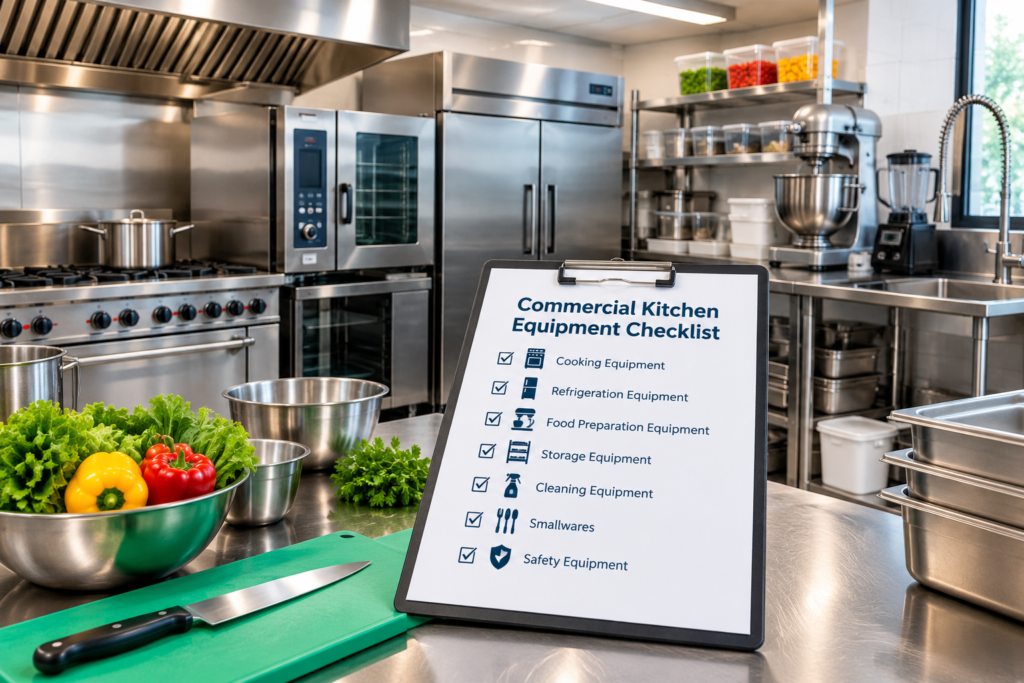
Discover the best commercial blender for restaurants, cafés, smoothie shops, and bars. Learn about key features, motor power, capacity, durability, and maintenance before choosing the right blender for your business.
How to Choose Commercial Kitchen Equipment: Complete Guide
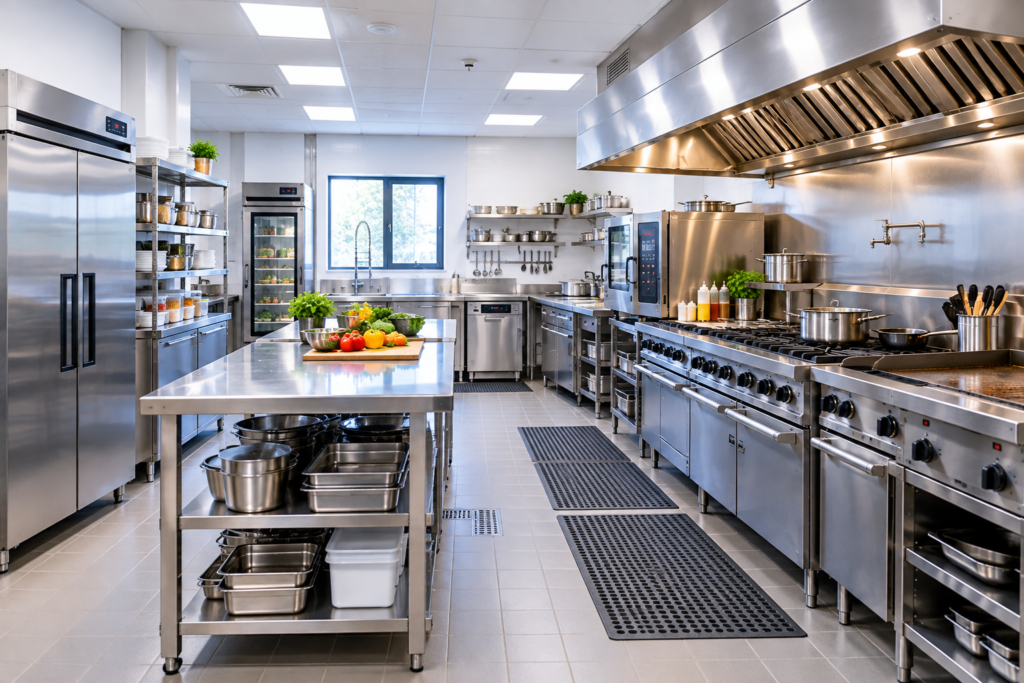
Learn how to choose commercial kitchen equipment based on your menu, kitchen space, capacity, energy efficiency, durability, safety, maintenance needs, and budget. This guide covers the key factors to consider before investing in restaurant equipment.
Restaurant Kitchen Cleaning Checklist: A Complete Daily, Weekly & Monthly Guide
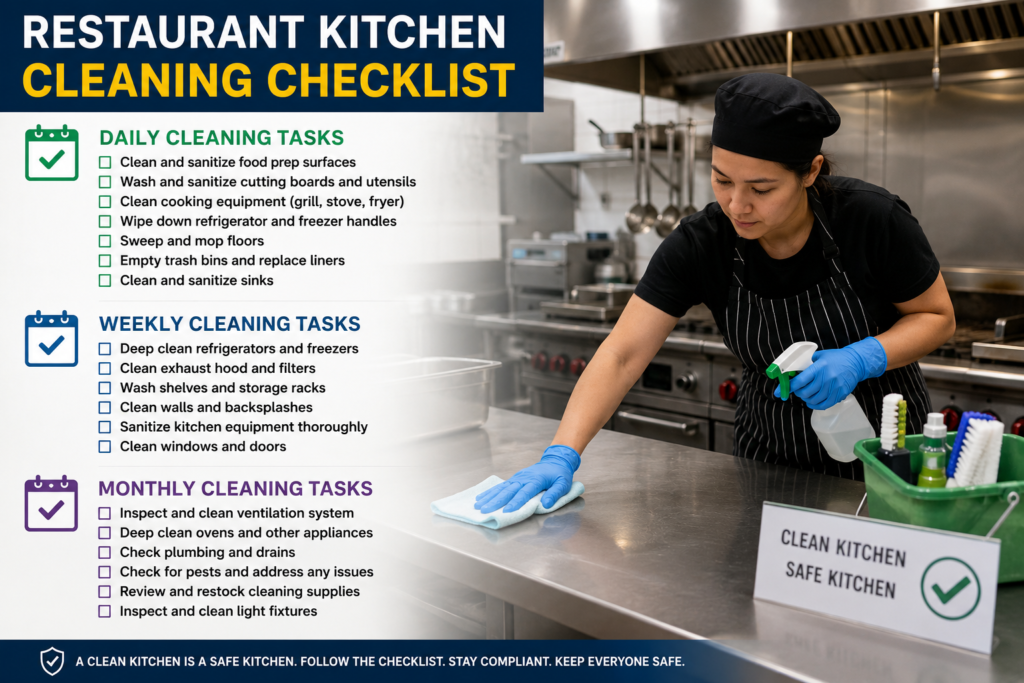
Restaurant Kitchen Cleaning Checklist: Keep Your Kitchen Safe and Hygienic Maintaining a clean commercial kitchen is essential for food safety, employee health, and customer satisfaction. A well-organized restaurant kitchen cleaning checklist helps restaurant owners and kitchen staff clean consistently, prevent cross-contamination, and comply with health regulations. Whether you operate a restaurant, café, hotel kitchen, or catering business, following a structured cleaning schedule can improve efficiency and reduce the risk of foodborne illnesses. Why a Restaurant Kitchen Cleaning Checklist Is Important A consistent cleaning routine provides several benefits: Maintains food safety standards Prevents bacteria and mold growth Extends the life of kitchen equipment Reduces health inspection violations Creates a safer work environment Improves overall kitchen efficiency Using a written checklist also ensures that no cleaning task is overlooked. Daily Cleaning Checklist The following tasks should be completed at the end of every working day. Food Preparation Areas Sanitize prep tables Wash cutting boards Clean knives and utensils Disinfect food preparation surfaces Remove food debris Cooking Equipment Clean grills Degrease fryers Wipe stovetops Clean ovens if necessary Sanitize cooking utensils Refrigeration Wipe refrigerator handles Remove expired food Clean spills immediately Check storage temperatures Floors Sweep floors Mop using food-safe cleaner Remove grease buildup Clean floor drains Waste Management Empty trash bins Replace garbage liners Clean recycling containers Sanitize waste areas Weekly Cleaning Checklist Some equipment requires deeper cleaning every week. Tasks include: Deep clean refrigerators Clean freezer shelves Wash storage racks Degrease exhaust hood filters Clean walls behind equipment Sanitize shelving units Polish stainless steel surfaces Clean windows and doors Weekly maintenance helps prevent grease accumulation. Monthly Cleaning Checklist Monthly deep cleaning improves long-term kitchen performance. Recommended tasks: Inspect ventilation systems Clean ceiling vents Deep clean ovens Check plumbing fixtures Remove scale from sinks Clean behind large appliances Inspect pest control measures Review cleaning supplies inventory Keeping a monthly schedule reduces costly maintenance issues. Equipment That Requires Regular Cleaning Every commercial kitchen contains equipment that should be cleaned routinely. Important items include: Commercial ovens Fryers Griddles Refrigerators Freezers Food processors Mixers Dishwashers Ice machines Stainless steel worktables Cleaning equipment according to manufacturer recommendations helps maximize its lifespan. Best Cleaning Supplies Use food-safe products whenever possible. Recommended supplies: Food-safe sanitizer Degreaser Microfiber cloths Scrub brushes Disposable gloves Mop and bucket Stainless steel cleaner Glass cleaner Paper towels Avoid harsh chemicals that may damage food-contact surfaces. Restaurant Cleaning Tips Improve cleaning efficiency by following these practices: Assign cleaning responsibilities. Follow a written schedule. Clean as you go. Train employees regularly. Replace damaged cleaning tools. Store chemicals safely. Record completed cleaning tasks. Consistency is the key to maintaining a sanitary kitchen. Common Cleaning Mistakes Avoid these common problems: Forgetting to clean behind equipment Mixing cleaning chemicals Using dirty cloths Ignoring floor drains Leaving food residue overnight Skipping refrigerator cleaning Not sanitizing food-contact surfaces Small mistakes can lead to major health risks. Printable Restaurant Kitchen Cleaning Checklist Use this simple checklist each day: Daily ✔ Clean prep tables ✔ Sanitize utensils ✔ Sweep and mop floors ✔ Empty trash bins ✔ Clean refrigerators ✔ Wipe cooking equipment Weekly ✔ Deep clean appliances ✔ Wash shelving ✔ Clean exhaust hood filters ✔ Sanitize storage areas Monthly ✔ Inspect ventilation ✔ Clean behind equipment ✔ Check plumbing ✔ Review pest control Printing this checklist makes it easier for staff to complete cleaning tasks consistently. Frequently Asked Questions How often should a restaurant kitchen be cleaned? Food-contact surfaces should be cleaned throughout the day, while complete kitchen cleaning should be performed daily. Weekly and monthly deep cleaning should also be scheduled. Who is responsible for kitchen cleaning? Every kitchen employee should follow assigned cleaning duties, while managers should verify that the checklist is completed. Why is cleaning documentation important? Cleaning records help demonstrate compliance during health inspections and improve accountability among staff. Final Thoughts A well-structured restaurant kitchen cleaning checklist is one of the most effective tools for maintaining a safe, hygienic, and efficient foodservice operation. By following daily, weekly, and monthly cleaning routines, restaurants can protect food quality, extend equipment life, and create a healthier workplace for employees and customers.
Commercial Kitchen Design: The Complete Guide to Planning an Efficient Kitchen
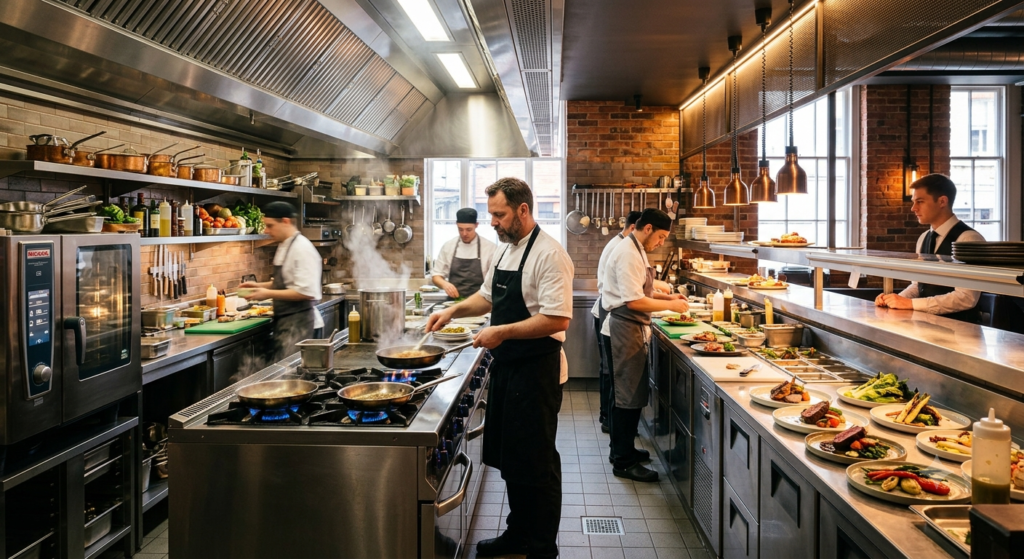
Designing a professional kitchen is one of the most important steps when opening or renovating a restaurant, café, bakery, hotel, or catering business. A well-planned commercial kitchen design improves workflow, enhances food safety, reduces operating costs, and helps staff work more efficiently. This guide explains the essential elements of planning a functional commercial kitchen, from choosing the right layout to selecting equipment and meeting safety standards. Why Is Commercial Kitchen Design Important? A smart commercial kitchen design does more than make a kitchen look organized. It creates a workspace where employees can prepare food safely and efficiently. Benefits include: Faster food preparation Improved staff productivity Better food safety compliance Reduced cross-contamination Easier equipment maintenance Lower operating costs Better customer satisfaction Planning your kitchen correctly from the beginning can prevent expensive changes later. Key Elements of a Commercial Kitchen Every successful kitchen includes several essential components. Food Preparation Area Dedicated prep stations allow staff to work efficiently while minimizing cross-contamination. Cooking Area This section typically contains: Commercial ranges Ovens Griddles Fryers Char broilers Arrange equipment according to your menu and cooking process. Washing Station Include separate sinks for: Hand washing Food preparation Dishwashing Proper sink placement improves hygiene and workflow. Storage Area Storage should include: Dry storage Refrigeration Freezers Shelving for utensils and ingredients Easy access reduces unnecessary movement. Popular Commercial Kitchen Layouts Choosing the right commercial kitchen design starts with selecting a layout that matches your business. Assembly Line Layout Ideal for: Fast-food restaurants Pizza shops Sandwich stores Employees perform tasks in sequence for maximum speed. Island Layout Cooking equipment is placed in the center, allowing staff to move freely around it. Best for: Large restaurants Hotels High-volume kitchens Zone Layout The kitchen is divided into specialized workstations. Examples include: Prep zone Cooking zone Baking zone Cleaning zone Storage zone This layout improves organization. Galley Layout A narrow design with workstations on both sides. Suitable for: Small restaurants Cafés Food trucks How to Plan Your Kitchen Workflow An efficient commercial kitchen design focuses on smooth movement between work areas. The workflow should generally follow this order: Receiving Storage Preparation Cooking Serving Cleaning Reducing unnecessary movement saves time and increases productivity. Choosing the Right Equipment Selecting quality equipment is essential. Consider: Available kitchen space Menu requirements Energy efficiency Durability Ease of cleaning Maintenance costs Buy equipment that matches your expected production volume. Safety and Health Requirements A professional kitchen should meet local food safety regulations. Important considerations include: Proper ventilation Fire suppression systems Non-slip flooring Adequate lighting Handwashing stations Temperature-controlled storage Following health codes protects both employees and customers. Common Design Mistakes Avoid these common problems when planning your commercial kitchen design. Poor Workflow Long walking distances reduce efficiency. Insufficient Storage Lack of storage creates clutter and slows operations. Overcrowded Equipment Too many appliances make movement difficult. Poor Ventilation Heat and smoke reduce comfort and may violate safety regulations. Ignoring Future Growth Leave room for additional equipment if your business expands. Tips for Maximizing Efficiency To improve performance: Use energy-efficient appliances. Keep frequently used equipment nearby. Label storage shelves clearly. Install adequate lighting. Maintain wide walkways. Schedule regular equipment maintenance. Small improvements can significantly increase daily productivity. Sustainability Considerations Modern kitchens increasingly focus on sustainability. Consider: Energy Star-rated equipment LED lighting Water-saving faucets Recycling stations Waste reduction programs These upgrades reduce operating costs over time. Frequently Asked Questions What is the best layout for a commercial kitchen? The best layout depends on your menu, available space, and production volume. Zone and assembly line layouts are among the most popular choices. How much space does a commercial kitchen need? Requirements vary depending on the business. The kitchen should provide enough room for equipment, staff movement, storage, and food preparation. Why is workflow important? Efficient workflow minimizes unnecessary movement, speeds up food preparation, and reduces labor costs. What equipment is essential? Most commercial kitchens require cooking equipment, refrigeration, preparation tables, sinks, shelving, ventilation systems, and cleaning stations. Conclusion A successful commercial kitchen design balances efficiency, safety, workflow, and functionality. By selecting the right layout, investing in quality equipment, and following food safety best practices, you can create a kitchen that supports consistent food quality and long-term business success. Careful planning today can save money, improve productivity, and make daily operations smoother for years to come.
