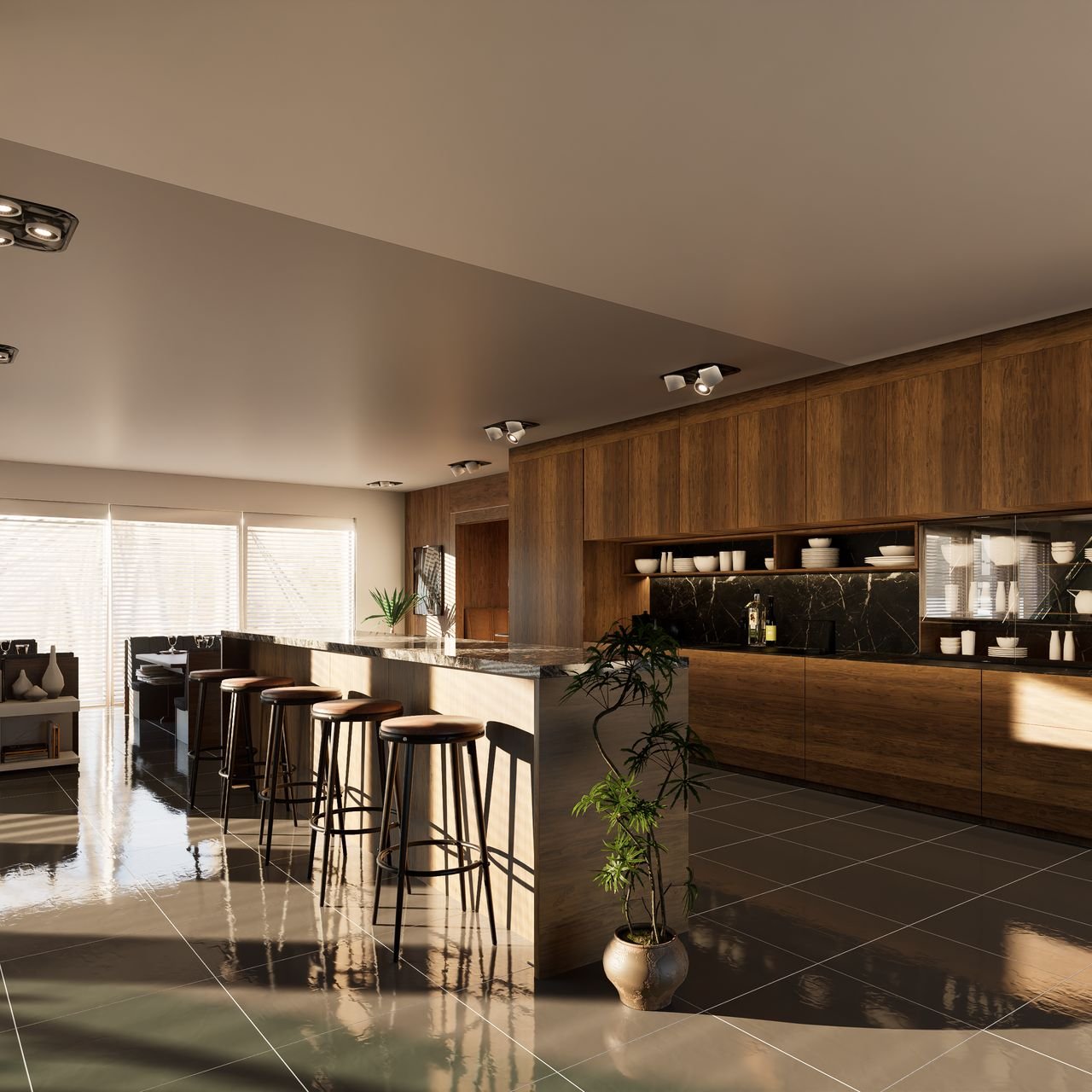
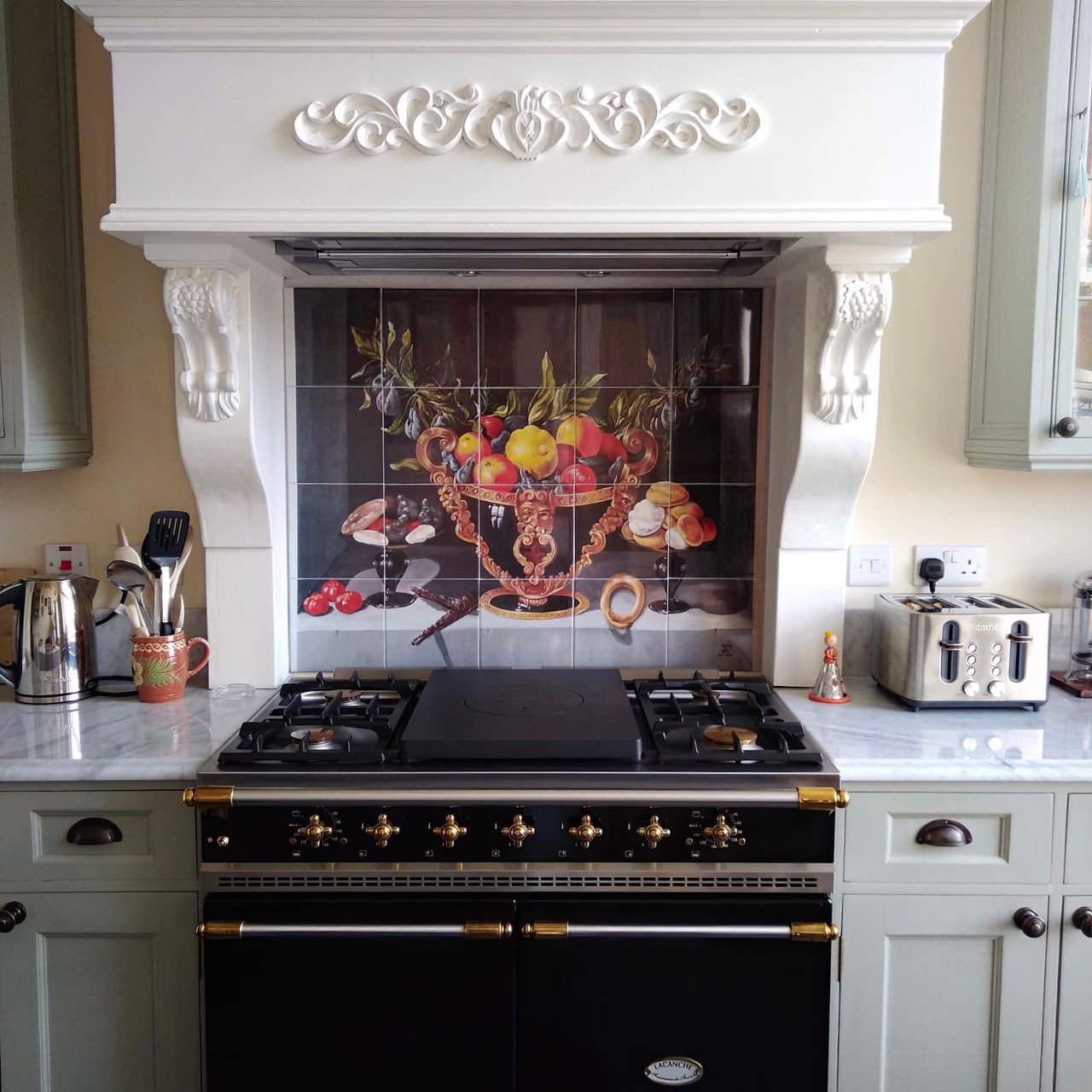
Starting a restaurant, hotel, bakery, or catering business requires careful planning—especially when it comes to choosing the right commercial kitchen equipment. The efficiency, speed, and quality of your food service depend heavily on the tools and machines you use in your kitchen.
In this article, we will cover the essential commercial kitchen equipment, their importance, and how to choose the right ones for your business.
What is Commercial Kitchen Equipment?
Commercial kitchen equipment refers to heavy-duty tools and machines designed for professional food preparation and cooking in restaurants, hotels, bakeries, and catering services.
Unlike home appliances, these machines are built for:
- High-volume cooking
- Long working hours
- Heavy usage
- Faster food production
Essential Types of Kitchen Equipment
A professional kitchen is divided into different sections. Each section requires specific equipment.
Cooking Equipment
Cooking equipment is the heart of any kitchen. It includes:
- Gas stoves and cooking ranges
- Deep fryers
- Grills and griddles
- Ovens
These machines are used for preparing main dishes quickly and efficiently.
Refrigeration Equipment
Proper storage is essential to keep food fresh and safe.
Common refrigeration equipment:
- Commercial refrigerators
- Deep freezers
- Display chillers
- Cold storage units
They help maintain food quality and reduce waste.
Food Preparation Equipment
These machines help speed up kitchen operations.
Examples include:
- Mixers and grinders
- Slicers and cutters
- Food processors
- Vegetable choppers
They reduce manual labor and improve consistency.
Bakery Equipment
For bakery businesses, specialized tools are required:
- Dough mixers
- Baking ovens
- Proofers
- Cake decorating tools
These ensure proper texture and baking quality.
Washing & Cleaning Equipment
Hygiene is very important in commercial kitchens.
Equipment includes:
- Dishwashers
- Sink units
- Cleaning stations
They help maintain cleanliness and food safety standards.
How to Choose the Right Equipment
Choosing the right kitchen equipment is very important for long-term success.
1. Understand Your Menu
Your menu decides what equipment you need. A bakery and a fast-food restaurant will not need the same machines.
2. Check Kitchen Space
Always measure your kitchen area before buying large equipment to ensure proper placement and workflow.
3. Focus on Quality
Always choose durable materials like stainless steel for long-lasting performance.
4. Consider Energy Efficiency
Energy-efficient machines help reduce electricity and gas costs.
5. Think About Maintenance
Choose equipment that has easy maintenance and available spare parts.
Final Thoughts
Commercial kitchen equipment plays a vital role in the success of any food business. The right tools improve speed, efficiency, and food quality while reducing operational costs.
Proper planning and smart selection will help you build a successful and professional kitchen setup.