How to Use a Food Processor: A Complete Beginner’s Step-by-Step Guide
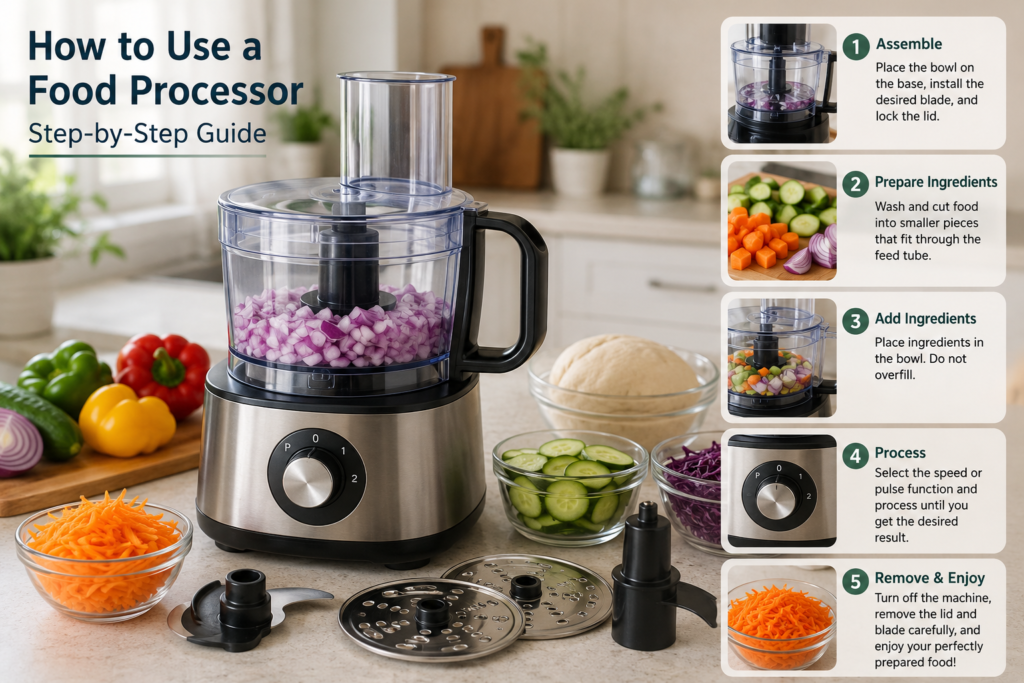
A food processor is one of the most useful kitchen appliances for saving time and effort during meal preparation. If you’ve recently bought one or are thinking about using one for the first time, learning how to operate a kitchen appliance correctly will help you prepare meals faster while achieving consistent results. Whether you’re chopping vegetables, shredding cheese, making dough, or blending sauces, a food processor can simplify countless kitchen tasks. This guide explains everything beginners need to know, from assembly to cleaning. What Is a Food Processor? A food processor is an electric kitchen appliance designed to process ingredients quickly. Unlike a blender, it handles both soft and firm foods using interchangeable blades and discs. It is commonly used for: Chopping vegetables Slicing fruits Shredding cheese Mixing dough Making hummus Preparing salsa Grinding nuts Pureeing ingredients Why Learn How to operate a Food Processor? Understanding how to operate a kitchen processor offers several benefits. Saves valuable cooking time Produces even cuts Reduces manual effort Makes meal preparation easier Handles multiple kitchen tasks Improves recipe consistency Parts of a kitchen Processor Before using the appliance, become familiar with its main components. Food Processor Base The base contains the motor that powers the machine. Work Bowl The bowl holds ingredients while processing. Feed Tube The feed tube allows ingredients to enter safely while the machine is running. Lid with Lock Most food processors only operate when the lid locks securely. Blade Attachments Different blades perform different tasks. Common attachments include: S-shaped chopping blade Slicing disc Shredding disc Dough blade How to Use a Food Processor Step by Step Learning kitchen appliance operation is simple when you follow these steps. Step 1: Assemble the Machine Place the work bowl onto the base and lock it into position. Install the correct blade for your task. Step 2: Prepare Ingredients Wash fruits and vegetables thoroughly. Cut large items into smaller chunks that fit through the feed tube. Remove pits, large seeds, and hard stems. Step 3: Add Ingredients Place food into the bowl without overfilling it. Leave enough room for ingredients to move freely. Step 4: Secure the Lid Lock the lid firmly before turning on the appliance. Most kitchen appliance include a safety lock to prevent accidental operation. Step 5: Choose the Correct Speed Use Pulse for: Chopping onions Nuts Herbs Use Continuous Run for: Purees Dough Sauces Smooth mixtures Step 6: Process Until Ready Watch the texture while processing. Stop the machine as soon as you achieve the desired consistency. Best Blade for Different Foods Food Recommended Blade Vegetables Chopping Blade Cheese Shredding Disc Cucumbers Slicing Disc Pizza Dough Dough Blade Nuts Chopping Blade Hummus Chopping Blade Salsa Chopping Blade Safety Tips When Using a kitchen appliance Following safety guidelines helps protect both you and your appliance. Always unplug before changing blades. Never insert fingers into the feed tube. Use the food pusher instead of utensils. Avoid overloading the bowl. Keep blades clean and sharp. Ensure the lid is locked before starting. Common Mistakes to Avoid Many beginners make a few simple mistakes. Overfilling the Bowl Too much food reduces chopping efficiency. Using the Wrong Blade Each blade is designed for a specific task. Processing Too Long Over-processing can turn vegetables into mush. Ignoring Safety Locks Never force the machine to run if it isn’t assembled correctly. How to Clean a Food Processor Cleaning immediately after use keeps your appliance in excellent condition. Unplug the machine. Remove all attachments. Wash removable parts with warm soapy water. Dry every component completely. Wipe the motor base with a damp cloth. Store blades safely. Food Processor Maintenance Tips Proper maintenance extends the life of your appliance. Dry parts before storage. Replace dull blades when necessary. Inspect the power cord regularly. Avoid processing extremely hard foods unless recommended. Store attachments together for easy access. Frequently Asked Questions How do I use a food processor for vegetables? Use the chopping blade for diced vegetables or the slicing disc for even slices. Can a food processor make dough? Yes. Most models include a dough blade designed for bread, pizza, and pastry dough. Is a food processor better than a blender? A food processor is better for chopping, slicing, shredding, and mixing dough, while a blender is ideal for liquids and smoothies. Can I crush ice in a food processor? Only if the manufacturer specifically states that your model supports ice crushing. Conclusion Learning how to use a food processor makes cooking faster, easier, and more enjoyable. By selecting the correct blade, following proper safety practices, and cleaning the appliance after each use, you can prepare a wide variety of recipes with minimal effort. Whether you’re making fresh salsa, shredding cheese, kneading dough, or chopping vegetables, a food processor is a valuable tool that can simplify everyday cooking.
How to Fold Serviettes with Cutlery: 10 Easy & Elegant Ideas
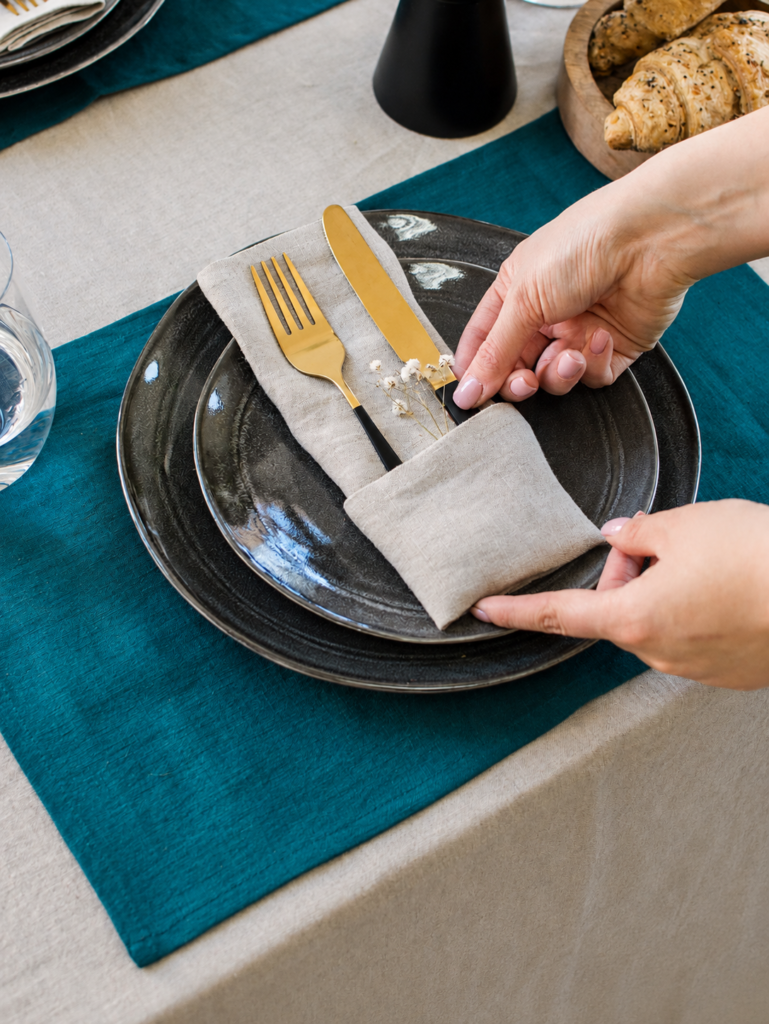
A beautifully folded serviette can instantly transform an ordinary dining table into an elegant and welcoming space. Whether you’re hosting a family dinner, preparing a restaurant table, organizing a wedding reception, or celebrating a holiday, learning how to fold serviettes with cutlery is a simple skill that creates a professional presentation. The best part is that you don’t need expensive decorations. With just a cloth or paper serviette and a set of cutlery, you can create stylish table settings in only a few minutes. In this guide, you’ll discover easy folding techniques, expert tips, and common mistakes to avoid. Why Fold Serviettes with Cutlery? A neatly folded serviette offers more than just visual appeal. Benefits include: Creates an elegant dining experience Keeps knives, forks, and spoons organized Improves restaurant presentation Makes guests feel welcomed Saves table space Adds a professional touch to events Perfect for weddings, birthdays, hotels, and restaurants What You’ll Need Before starting, gather: Cloth or paper serviettes Dinner fork Knife Spoon Flat table surface For the best appearance, use square cloth serviettes that have been ironed. Method 1: Simple Pocket Fold This is the easiest and most popular style. Steps Lay the serviette flat. Fold it in half. Fold again to create a square. Fold the top layers downward to form pockets. Turn it over. Fold both sides inward. Turn it back over. Slide the knife, fork, and spoon into the pocket. Perfect for: Restaurants Everyday dining Cafés Family dinners Method 2: Roll-Up Fold Ideal for casual dining. Steps Lay the serviette flat. Place the cutlery diagonally. Roll tightly from one corner. Tie with ribbon, twine, or a napkin ring. Best for: Outdoor parties Picnics BBQs Catering events Method 3: Envelope Fold 0T0his fold creates a clean, modern appearance. Instructions Fold the serviette into a rectangle. Fold both ends toward the center. Create a pocket. Insert the cutlery neatly. Excellent for: Fine dining Hotels Weddings Method 4: Diamond Pocket Fold This elegant fold is often seen in upscale restaurants. Steps include: Fold into a square. Create layered diamond flaps. Fold the back edges. Insert fork, knife, and spoon into the layered pocket. The layered effect adds sophistication without much effort. Method 5: Standing Fan Fold Perfect for festive occasions. Create accordion folds across the serviette, fold it in half, and secure the base so the fan stands upright. Place the cutlery beside the fan for an impressive display. Ideal for: Christmas dinners Anniversary celebrations Banquets Best Serviette Materials Choosing the right material makes folding easier. Material Best For Cotton Restaurants Linen Weddings Polyester Everyday use Paper Parties Premium paper Events Tips for a Professional Look Follow these simple tips: Iron cloth serviettes before folding. Keep folds crisp and even. Polish cutlery before placing it inside. Match serviette colors with your table décor. Use napkin rings for added elegance. Practice each fold several times. Keep all place settings identical. Common Mistakes to Avoid Many beginners make these mistakes: Using wrinkled serviettes Overstuffing the pocket Folding unevenly Mixing different folding styles Using oversized cutlery Ignoring table symmetry When Should You Use Serviette Folds? Elegant serviette folding works well for: Wedding receptions Restaurant dining Hotel banquets Birthday parties Holiday dinners Business meetings Catering services Family gatherings Frequently Asked Questions Can I use paper serviettes? Yes. Thick, high-quality paper serviettes hold their shape better than thin ones. Which fold is easiest? The Pocket Fold is the easiest for beginners. Should the knife face inward? Yes. The blade should generally face toward the plate for proper table etiquette. Are cloth serviettes better? Yes. Cloth serviettes create sharper folds and provide a more elegant appearance. Final Thoughts Learning how to fold serviettes with cutlery is a simple yet effective way to elevate any table setting. Whether you prefer a classic pocket fold, a modern envelope style, or a decorative fan fold, these techniques help organize cutlery while creating a memorable dining experience. With a little practice, you can achieve restaurant-quality table settings that impress guests at every occasion.
